Indonesia’s traditional skincare practices, rooted in centuries-old herbal remedies, are experiencing a resurgence as modern science validates their efficacy and global demand for natural beauty solutions grows. From the royal courts of Java to rural villages across the archipelago, these methods,such as lulur scrubs, turmeric masks, and jamu tonics,have been passed down through generations, offering holistic benefits for skin health. Research conducted by the Indonesian Ministry of Health in 2022 revealed that 68% of women in Java still incorporate at least one traditional skincare ritual into their routines, while exports of herbal beauty products surged by 42% between 2020 and 2023, according to data from the Central Statistics Agency (BPS).
The Historical Foundations of Indonesian Skincare
Traditional Indonesian skincare traces its origins to the pre-colonial era, where royal families and local healers developed elaborate rituals using indigenous plants. The Javanese lulur, a spice-infused body scrub, was first documented in the 17th-century Serat Centhini, a Javanese literary work detailing courtly customs. These practices were not merely cosmetic but deeply intertwined with cultural identity, spiritual well-being, and medicinal knowledge. In Bali, boreh,a paste made from rice flour, turmeric, and sandalwood,was applied before weddings to purify and brighten the skin, a tradition that persists today.
“The wisdom of our ancestors lies in their understanding of local biodiversity,” said Dr. Retno Iswari Tranggono, a dermatologist and researcher at Gadjah Mada University. “They selected ingredients like turmeric, tamarind, and rice bran not just for their immediate effects but for their long-term benefits to skin barrier function and inflammation reduction.” A 2021 study published in the Journal of Ethnopharmacology confirmed that compounds in these plants, such as curcumin in turmeric and ferulic acid in rice bran, possess antioxidant and anti-aging properties.
The Science Behind Key Ingredients
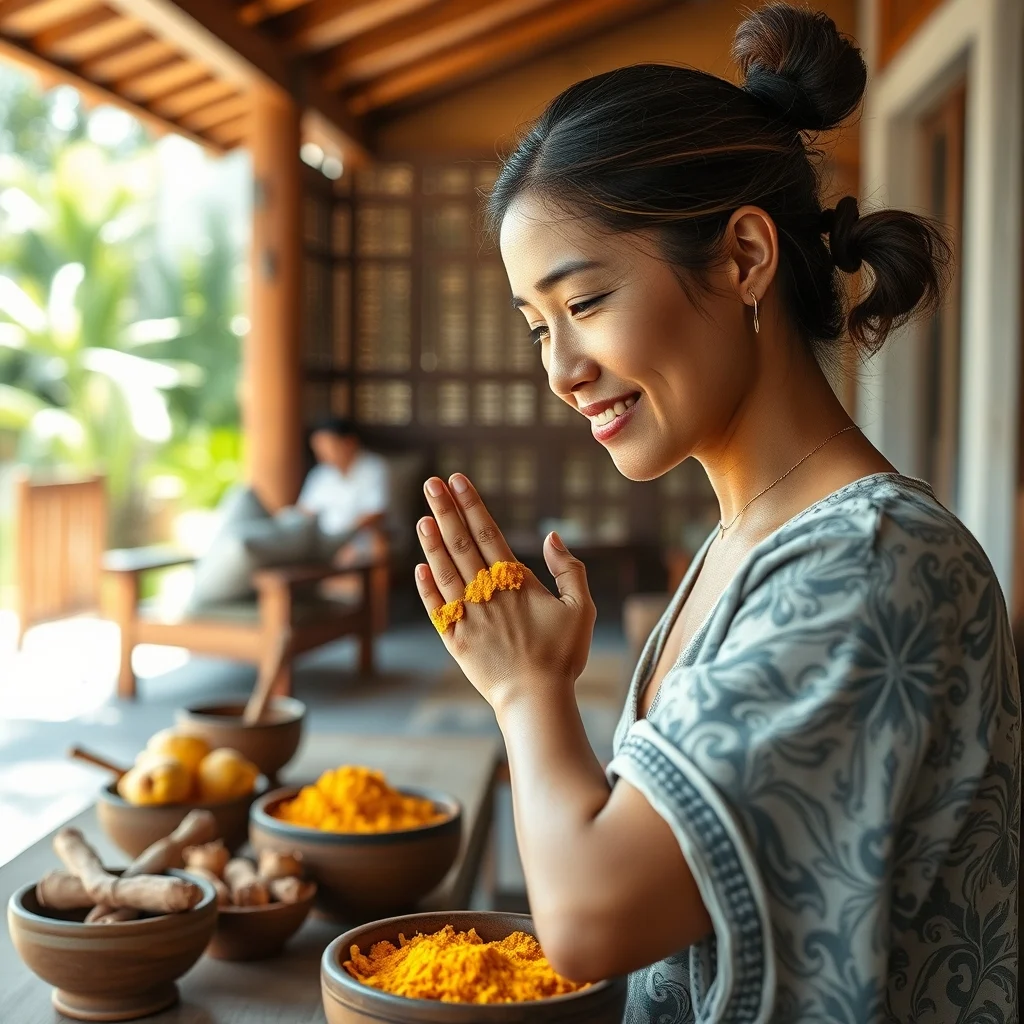
Turmeric (Curcuma longa), a staple in Indonesian skincare, contains curcumin, which inhibits melanin production, reducing hyperpigmentation. A clinical trial conducted at the University of Indonesia in 2020 found that participants using a turmeric-based mask twice weekly for eight weeks saw a 30% improvement in skin brightness. Bengkoang (Pachyrhizus erosus), or jicama, is another powerhouse ingredient, rich in vitamin C and oligofructose, which promote collagen synthesis and skin hydration. Traditional lulur blends often combine these with cloves, cinnamon, and pandan leaves, which have antimicrobial and exfoliating properties.
Rice-based skincare, particularly the use of rice water and fermented rice masks, has gained international attention. A 2018 study by the National Center for Biotechnology Information (NCBI) highlighted rice bran’s ability to improve skin elasticity and reduce wrinkles due to its high concentration of inositol, a carbohydrate that aids cell regeneration. In Central Java, the practice of soaking rice water for facial toning dates back to the Mataram Kingdom (8th–10th centuries), where it was reserved for nobility.
Modern Adaptations and Global Influence
Contemporary Indonesian beauty brands are reinterpreting these traditions for modern consumers. PT Mustika Ratu, founded in 1975, was among the first to commercialize jamu and lulur products, now exporting to over 30 countries. More recently, startups like Sariayu and BioAqua have combined traditional recipes with biotechnology, creating standardized extracts for consistency and efficacy. The global natural skincare market, valued at $11.5 billion in 2023, has provided a lucrative platform for these innovations, with Indonesian products gaining traction in Southeast Asia, Europe, and North America.
However, the commercialization of traditional knowledge has raised ethical concerns. In 2021, the Indonesian government introduced the Undang-Undang Nomor 11 Tahun 2019 (Law No. 11 of 2019) to protect indigenous intellectual property, requiring companies to obtain consent from local communities before using their traditional recipes. “The challenge is balancing innovation with respect for cultural heritage,” noted Dr. Tranggono. “We must ensure that the communities who preserved these practices benefit from their revival.”
DIY Skincare: Bringing Tradition Home
For those seeking to adopt these methods at home, experts recommend simple, time-tested recipes. A basic turmeric mask can be made by mixing one teaspoon of turmeric powder with two tablespoons of honey and one tablespoon of yogurt, applied for 15 minutes before rinsing. Bengkoang masks, popular in West Java, involve grating the root and mixing it with aloe vera gel for a cooling, brightening effect. Lulur scrubs typically combine rice flour, turmeric, and coconut oil, massaged onto damp skin before bathing.
Safety precautions are essential, particularly for those with sensitive skin. Turmeric, for instance, can stain or irritate if used excessively, while some spices may cause allergic reactions. A patch test is advised before full application. The Indonesian Food and Drug Authority (BPOM) has also issued guidelines for homemade skincare, emphasizing the use of fresh, organic ingredients and proper storage to prevent contamination.
The revival of Indonesia’s traditional skincare is more than a beauty trend; it represents a reconnection with cultural heritage and a sustainable approach to self-care. As scientific research continues to uncover the benefits of these ancient practices, they offer a compelling alternative to synthetic products, blending tradition with modern needs. The growing interest in herbal skincare underscores a broader global shift toward natural, ethically sourced beauty solutions, positioning Indonesia as a leader in the movement toward holistic, culturally grounded wellness.
You may also like
-
Complete Guide to Choosing the Best Sunscreen for Your Skin Type
-
Bare Minimum Beauty: Simplify Your Routine Without Sacrificing Glow
-
2024 Pediatric Skin Care Alert: How to Safeguard Newborns from Common Dermatological Risks Using Clinically Validated Methods
-
Bare Minimum Beauty 2024: Indonesia’s Top Dupe Makeup and Skincare Picks That Deliver High-End Results at Budget Prices,Expert-Backed Affordable Alternatives for Every Routine
-
Indonesia’s Traditional Herbal Skincare: The Proven Benefits of Lulur, Jamu, and Organic Remedies in Modern Dermatological Practices