
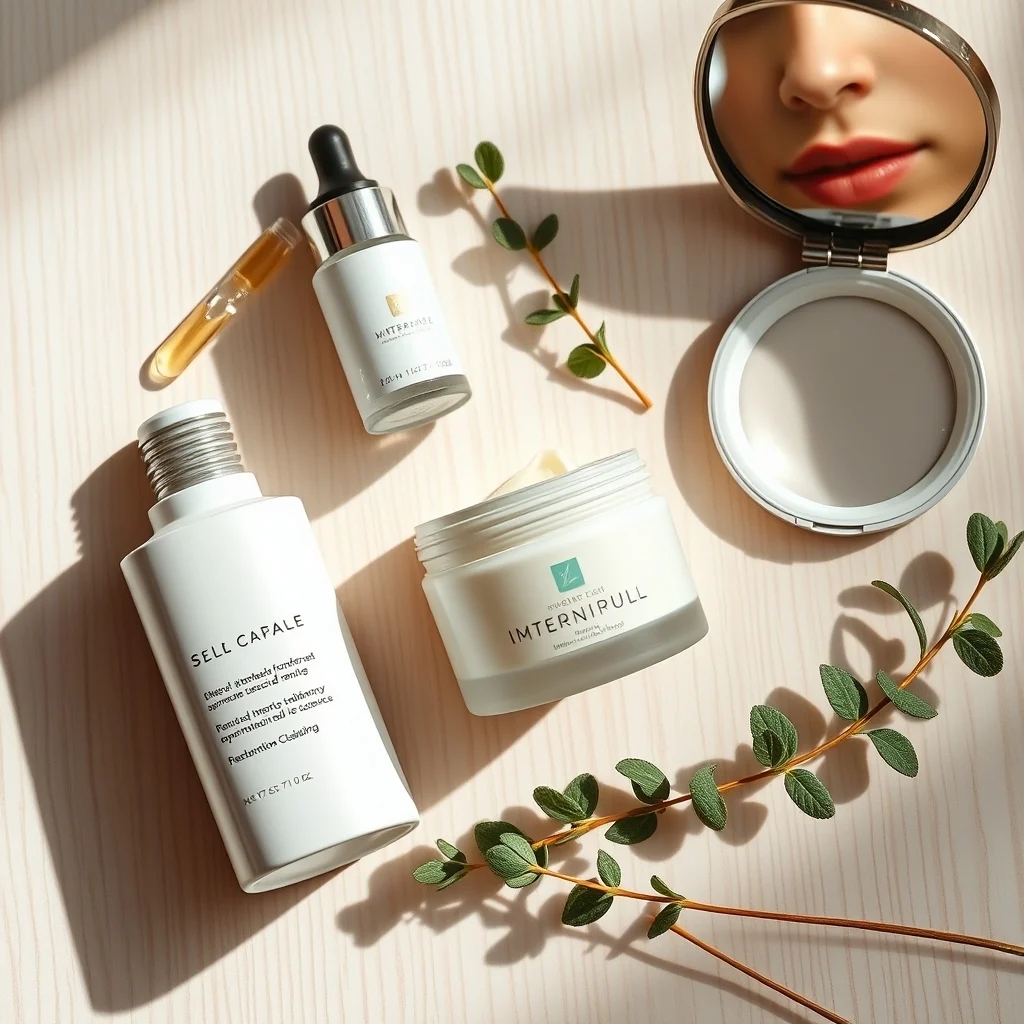
Navigating the world of **dupe and drugstore picks** can feel overwhelming, especially when missteps lead to wasted money or ineffective skincare routines. Many assume that swapping high-end products for affordable alternatives means sacrificing quality, but the real challenge lies in avoiding common pitfalls that undermine results. Whether you’re a skincare novice or a seasoned enthusiast looking to save, understanding these mistakes can transform your routine—and your wallet.
Mistake 1: Ignoring Your Skin Type
One of the biggest errors is assuming that drugstore dupes work universally for all skin types. What works for oily skin—like lightweight gels or mattifying formulas—may not suit dry or sensitive skin. Always match your dupe to your specific concerns, whether it’s hydration, oil control, or barrier repair. For example, a moisturizer packed with ceramides might be a great dupe for sensitive skin but could feel too heavy for acne-prone types.
Before committing to a product, check the ingredient list for compatibility. Look for non-comedogenic labels if you’re prone to breakouts or avoid fragrances if your skin reacts easily. When in doubt, patch-test new products on a small area, like your jawline, to monitor reactions over 24–48 hours.
Mistake 2: Overlooking Ingredient Synergy
Drugstore dupes often replicate the *idea* of a high-end product but may lack key ingredients or the right formulation to deliver similar results. For instance, a budget serum might contain hyaluronic acid but lack additional actives like peptides or niacinamide to enhance its effectiveness. Always compare ingredient decks to ensure the dupe includes the same or comparable actives.
Synergy matters just as much as individual ingredients. A well-formulated dupe might combine antioxidants with barrier-repairing ceramides, while a poorly formulated one could dilute actives with fillers. Prioritize products with clean, functional ingredients over those loaded with silicones or synthetic fragrances that may clog pores or irritate skin.
Mistake 3: Skipping the Patch Test
Even if a product has glowing reviews, your skin’s reaction can differ based on genetics, climate, or current skin health. Skipping a patch test is a gamble, especially with actives like retinol, vitamin C, or exfoliating acids. Apply a small amount to your inner arm or behind your ear and wait 48 hours to check for redness, itching, or irritation.
This step is critical for sensitive skin but equally important for those with conditions like rosacea or eczema. If irritation occurs, discontinue use immediately and consult [the American Academy of Dermatology’s guidelines](https://www.aad.org) for further advice. Remember, a dupe should enhance your routine, not disrupt it.
Mistake 4: Assuming Cheaper Means Inferior
Price tags can be misleading, but assuming that drugstore products are inherently lower quality is another common trap. Many affordable brands invest in research and formulation to deliver effective results without the luxury markup. The key is to focus on *value*—not just cost—by evaluating ingredient quality, packaging, and brand reputation.
For instance, a $10 cleanser might contain the same gentle surfactants as a $30 counterpart but could be housed in non-recyclable plastic. Consider sustainability alongside efficacy. Look for brands that prioritize ethical sourcing, cruelty-free practices, and transparent ingredient lists to ensure you’re making a responsible choice.
Mistake 5: Neglecting the Full Routine
Swapping one product for a dupe without evaluating the entire routine can lead to imbalances. For example, replacing a high-end moisturizer with a drugstore alternative might work—but if your cleanser strips your skin of natural oils, the dupe won’t perform as expected. A cohesive routine requires harmony between cleanser, treatment, and moisturizer.
Start by identifying your routine’s weak points. If your skin feels tight or dry, your cleanser might be too harsh. If breakouts persist, your moisturizer could be comedogenic. Adjust one step at a time, giving each dupe 4–6 weeks to show results before making further changes. Consistency is key in skincare, whether you’re using luxury or drugstore products.
Mistake 6: Relying Solely on Reviews
Online reviews can be incredibly helpful, but they shouldn’t be the sole factor in your decision. A product might receive rave reviews for one skin type but cause breakouts in another. Always cross-reference reviews with ingredient lists and your personal skin needs. Pay attention to detailed feedback—especially from users with similar concerns to yours.
Additionally, be wary of overly generic reviews that don’t specify skin type or concerns. Look for phrases like *“great for dry skin”* or *“cleared up my acne”* to gauge relevance. When in doubt, prioritize products with dermatologist recommendations or those backed by clinical trials, even if they’re pricier.
Building a skincare routine with drugstore dupes is about more than saving money—it’s about making informed choices that align with your skin’s needs. Avoid these common mistakes by prioritizing ingredient synergy, patch testing, and routine balance. Start small, observe how your skin responds, and gradually refine your approach. With the right knowledge, you’ll find that high-quality skincare doesn’t always require a high price tag—just the right strategy.