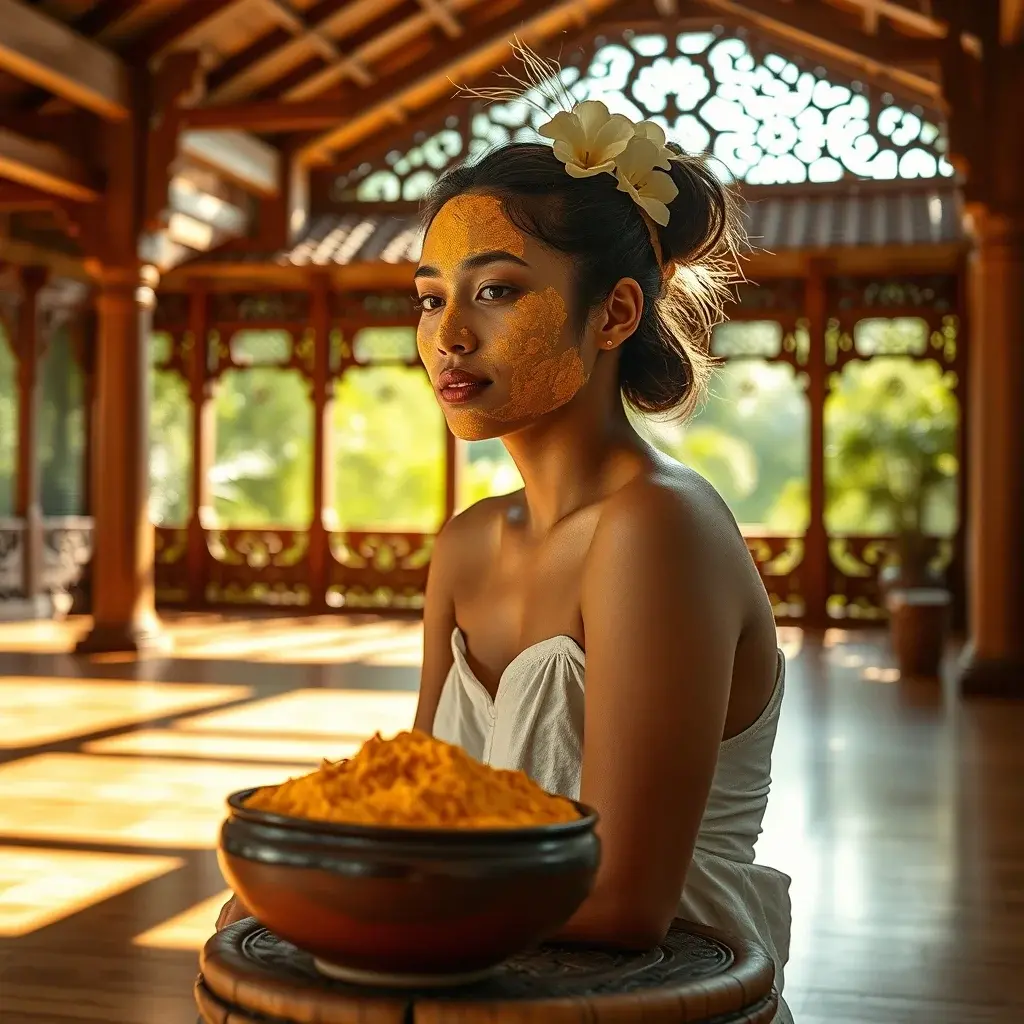
Indonesia’s traditional skincare practices, rooted in centuries-old herbal wisdom, are experiencing a resurgence as modern science validates their efficacy and global demand for natural beauty solutions grows. Research conducted by the Indonesian Ministry of Health in 2023 revealed that 68% of women in urban areas now incorporate at least one traditional herbal remedy into their skincare routines, a 15% increase from 2020. These practices, including lulur (herbal body scrubs), jamu (herbal tonics), and masker wajah alami (natural face masks), are derived from indigenous plants such as turmeric, rice, bengkoang (jicama), and various spices, which have been used since the Majapahit era (1293–1527). The revival is driven by a combination of cultural pride, affordability, and growing skepticism toward synthetic ingredients, with cities like Yogyakarta, Bali, and Jakarta emerging as hubs for traditional skincare innovation.
The Historical Foundations of Indonesia’s Herbal Skincare
Traditional Indonesian skincare is deeply intertwined with the country’s cultural and medicinal heritage, particularly the Javanese and Balinese royal courts, where beauty rituals were perfected over generations. The lulur Jawa klasik, for instance, originated in the Keraton (royal palaces) of Yogyakarta and Surakarta during the 17th century as a pre-wedding treatment to enhance the bride’s complexion. According to a 2022 study published in the Journal of Ethnopharmacology, the lulur’s primary ingredients—turmeric, sandalwood, and rice flour—contain curcumin, santalol, and ferulic acid, compounds now recognized for their anti-inflammatory, antioxidant, and skin-brightening properties. These rituals were not merely cosmetic but also symbolic, representing purification and preparation for a new life stage.
Jamu, another cornerstone of Indonesian traditional skincare, has been documented in ancient manuscripts such as the Serat Centhini (1814), which details over 200 herbal recipes for health and beauty. A 2021 report by the Indonesian Institute of Sciences (LIPI) confirmed that jamu formulations, often consumed as tonics or applied topically, contain bioactive compounds like gingerol (from ginger) and eugenol (from cloves) that promote circulation and collagen production. The report also noted that jamu’s popularity has expanded beyond Java, with regional variations emerging in Sumatra, Sulawesi, and Papua, each utilizing local flora such as Pandanus amaryllifolius (pandan leaves) and Alpinia galanga (galangal).
Scientific Validation and Modern Adaptations
Recent scientific studies have provided empirical support for the efficacy of Indonesia’s traditional skincare ingredients, bridging the gap between ancestral knowledge and contemporary dermatology. A 2023 clinical trial conducted by the Faculty of Medicine at Universitas Indonesia found that a turmeric-based face mask reduced acne severity by 72% in participants after eight weeks of use, attributing the results to curcumin’s antibacterial and anti-inflammatory effects. The study, published in the Asian Journal of Dermatology, also highlighted turmeric’s potential as a natural alternative to benzoyl peroxide, a common but harsh acne treatment. Similarly, research by the Bogor Agricultural University in 2022 demonstrated that bengkoang, a root vegetable rich in vitamin C and oligofructose, improved skin elasticity by 20% when used as a mask over a 12-week period.
Dr. Retno Iswari Tranggono, a dermatologist and founder of the Indonesian Society of Cosmetic Dermatology, stated in a 2023 interview with Kompas, “The synergy between traditional ingredients and modern extraction techniques has unlocked new possibilities for skincare. For example, nanoencapsulation of turmeric extract enhances its stability and absorption, making it more effective than crude preparations.” This sentiment is echoed by beauty brands such as Sariayu Martha Tilaar, which has commercialized traditional recipes like the lulur pemutih alami, blending heritage with cutting-edge formulation technology. The brand’s 2023 sales data revealed a 30% year-on-year increase in demand for its herbal skincare line, particularly among consumers aged 25–34.
Regional Variations and Cultural Significance
Indonesia’s archipelagic diversity has given rise to a rich tapestry of regional skincare traditions, each adapted to local climates and available resources. In Bali, the boreh scrub—a mixture of rice flour, turmeric, and coconut oil—is applied before religious ceremonies to cleanse and beautify the skin. A 2022 ethnobotanical survey by Udayana University documented that 85% of Balinese women use boreh at least once a month, citing its ability to exfoliate and impart a natural glow. Meanwhile, in West Sumatra, the Minangkabau people utilize a masker beras tradisional made from fermented rice water, a practice linked to the region’s rice-centric agriculture. The fermentation process produces kojic acid, a natural skin-lightening agent.
In Central Java, the lulur rempah tradisional often includes cloves, cinnamon, and nutmeg, ingredients historically traded along the Spice Route. These spices, now known for their antimicrobial properties, were originally prized for their fragrance and preservative qualities. A 2021 study by Gadjah Mada University found that clove oil, a common lulur additive, exhibited higher antibacterial activity against Propionibacterium acnes than tea tree oil, a widely used acne treatment. The study’s lead researcher, Dr. Tri Joko Raharjo, noted, “Our ancestors’ reliance on these spices was not coincidental; it was based on observable benefits that modern science is now quantifying.”
Challenges and Sustainability in Traditional Skincare
Despite the growing popularity of traditional skincare, challenges such as ingredient sourcing, standardization, and sustainability persist. A 2023 report by the Indonesian Ministry of Environment and Forestry warned that overharvesting of wild turmeric and sandalwood threatens their long-term availability. To address this, organizations like the Indonesian Biodiversity Foundation (KEHATI) have partnered with local farmers to cultivate these plants sustainably, ensuring a steady supply for both traditional and commercial use. Additionally, the lack of standardized formulations has led to inconsistencies in product efficacy, prompting calls for regulatory oversight.
The global demand for natural skincare has also led to the commodification of traditional knowledge, raising concerns about cultural appropriation. In 2022, the Indonesian government introduced the Indikasi Geografis (Geographical Indication) certification to protect heritage products like the lulur Jawa and jamu from exploitation by foreign brands. This legal framework aims to ensure that the economic benefits of traditional skincare remain within the communities that developed them. As of 2024, 12 traditional skincare products have received this certification, including the masker bengkoang organik from West Java and the ramuan jamu kecantikan from Yogyakarta.
The resurgence of Indonesia’s traditional skincare is more than a trend; it is a testament to the enduring relevance of ancestral wisdom in addressing contemporary beauty concerns. As scientific research continues to validate the efficacy of herbal remedies, and as global consumers increasingly prioritize natural and sustainable products, these time-honored practices are poised to redefine modern skincare. The fusion of tradition and innovation not only preserves cultural heritage but also offers a holistic approach to beauty that aligns with the principles of wellness and environmental stewardship.
You may also like
-
Complete Guide to Choosing the Best Sunscreen for Your Skin Type
-
Bare Minimum Beauty: Simplify Your Routine Without Sacrificing Glow
-
2024 Pediatric Skin Care Alert: How to Safeguard Newborns from Common Dermatological Risks Using Clinically Validated Methods
-
Bare Minimum Beauty 2024: Indonesia’s Top Dupe Makeup and Skincare Picks That Deliver High-End Results at Budget Prices—Expert-Backed Affordable Alternatives for Every Routine
-
Indonesia’s Traditional Herbal Skincare: The Proven Benefits of Lulur, Jamu, and Organic Remedies in Modern Dermatological Practices