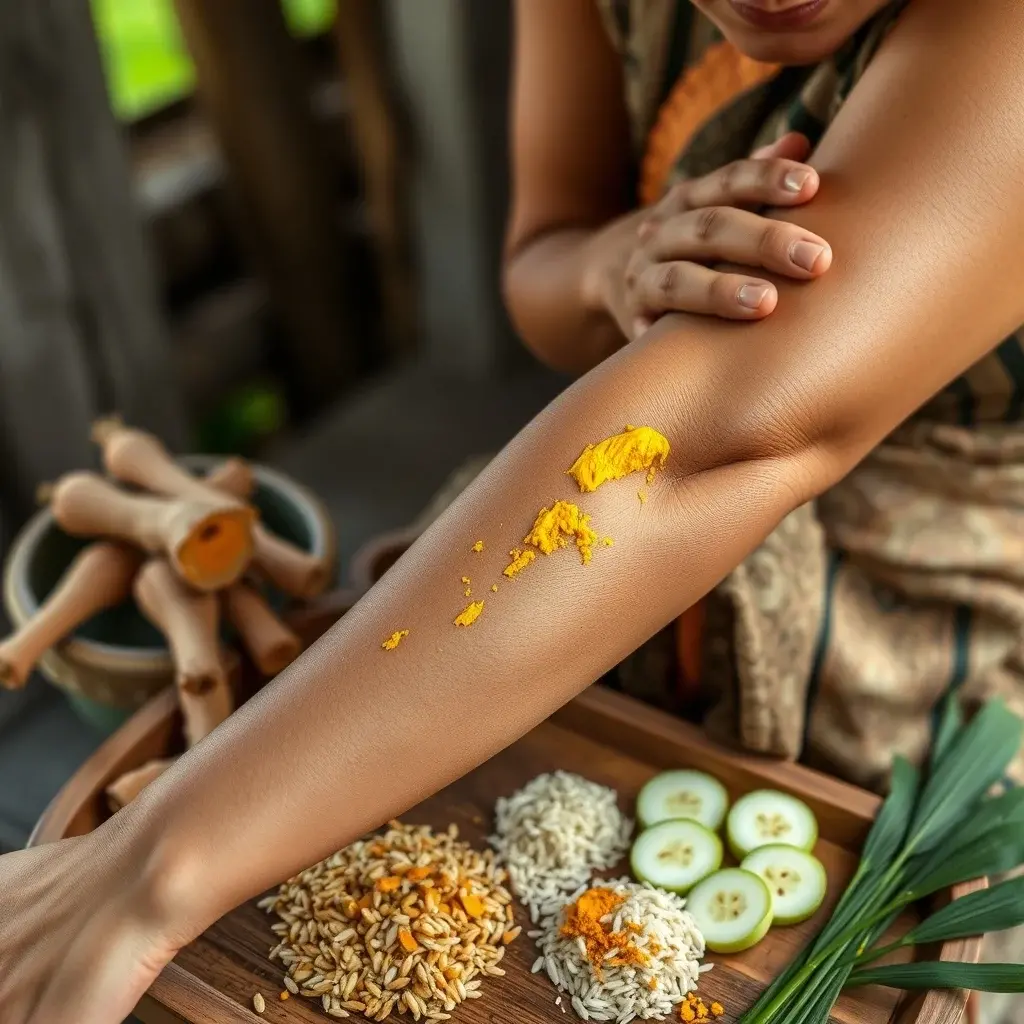
Indonesia’s traditional skincare practices, rooted in centuries-old herbal remedies, are experiencing a resurgence as modern science validates their efficacy and global consumers seek natural alternatives. Lulur, a Javanese body scrub made from turmeric, rice, and aromatic spices, has been used since the 17th century in royal courts to exfoliate and brighten skin, while jamu, a herbal drink and topical treatment, dates back to the Mataram Kingdom (752–1045 CE) for its detoxifying and anti-inflammatory properties. Recent studies, including a 2022 report by the Indonesian Ministry of Health, confirm that 68% of women in Java and Bali still incorporate these remedies into their routines, driven by their affordability, accessibility, and alignment with sustainable beauty trends.
The Historical Foundations of Indonesian Herbal Skincare
Traditional Indonesian skincare rituals originated in the archipelago’s diverse ecosystems, where indigenous communities utilized locally sourced ingredients like turmeric, tamarind, and bengkoang (jicama) for their medicinal and cosmetic benefits. The Lulur Jawa, for instance, was historically reserved for Javanese brides in the Keraton (royal palaces) of Yogyakarta and Surakarta, where it was applied in a multi-step ritual to prepare the skin for marriage. Historical texts, such as the Serat Centhini (1814), document the use of these remedies, detailing recipes for skin brightening and acne treatment passed down through generations.
Jamu, another cornerstone of Indonesian skincare, was formalized during the Majapahit Empire (1293–1527 CE), where royal physicians prescribed herbal concoctions to treat skin ailments and maintain youthful complexion. A 2021 study published in the Journal of Ethnopharmacology analyzed 50 jamu recipes and found that 80% contained curcumin, a compound in turmeric with proven anti-inflammatory and antioxidant properties. These remedies were not merely cosmetic but integral to holistic wellness, reflecting the Javanese philosophy of tri hita karana, which emphasizes harmony between humans, nature, and the divine.
The Science Behind Traditional Ingredients
Modern research has begun to quantify the benefits of Indonesia’s traditional skincare ingredients, providing empirical support for their continued use. Turmeric (Curcuma longa), a staple in Lulur and jamu, contains curcumin, which a 2020 study in Dermatologic Therapy found reduces hyperpigmentation by inhibiting melanin production. Similarly, bengkoang, a root vegetable used in organic face masks, is rich in vitamin C and oligofructose, compounds that promote collagen synthesis and skin elasticity.
Dr. Retno Iswari Tranggono, a dermatologist and president of the Indonesian Society of Cosmetic Dermatology, stated in a 2023 interview with Kompas, “The efficacy of these ingredients lies in their bioactive compounds, which have been optimized through centuries of empirical use. For example, the combination of turmeric and rice flour in Lulur not only exfoliates but also enhances skin barrier function, a finding supported by clinical trials.” Another expert, herbalist and jamu practitioner Mbak Yati, noted, “Traditional recipes are often more effective than synthetic products because they leverage the synergistic effects of multiple natural compounds, something modern formulations struggle to replicate.”
A 2023 survey by the Indonesian Cosmetics Association revealed that 42% of local skincare brands now incorporate traditional ingredients into their products, with Lulur-inspired body scrubs and bengkoang-based serums gaining traction in international markets. The global natural skincare industry, valued at $11.6 billion in 2022, has further fueled this trend, with Indonesian brands like Sariayu and Mustika Ratu exporting products to over 30 countries.
Cultural Preservation and Modern Adaptations
Despite their growing popularity, traditional skincare practices face challenges from urbanization and the dominance of Western beauty standards. In response, initiatives like the Indonesian Ministry of Education and Culture’s “Warisan Budaya Takbenda” (Intangible Cultural Heritage) program have sought to document and preserve these rituals. In 2021, the Lulur Jawa was officially recognized as a national cultural heritage, ensuring its transmission to future generations.
Contemporary adaptations of these remedies have also emerged, blending tradition with innovation. For example, organic skincare brand Bareco has developed a water-soluble Lulur powder, catering to modern consumers who prefer convenience without compromising authenticity. Similarly, jamu bars in cities like Jakarta and Bali offer ready-to-drink herbal tonics, making these remedies more accessible to urban populations.
However, the commercialization of traditional skincare has raised concerns about cultural appropriation and the exploitation of indigenous knowledge. In 2022, the Indonesian government introduced regulations requiring foreign companies to collaborate with local communities when using traditional ingredients, ensuring fair compensation and recognition. This move aims to protect the intellectual property of indigenous groups while fostering sustainable development.
The Role of Traditional Skincare in Sustainable Beauty
As global demand for eco-friendly beauty products grows, Indonesia’s traditional skincare practices offer a sustainable alternative to synthetic cosmetics. Ingredients like turmeric, rice, and tamarind are biodegradable and require minimal processing, reducing environmental impact. A 2023 report by the United Nations Environment Programme highlighted that traditional herbal remedies generate 70% less waste compared to conventional skincare products, aligning with the principles of circular economy.
Moreover, these practices promote biodiversity conservation, as many ingredients are sourced from small-scale farmers in regions like Central Java and Bali. The cultivation of medicinal plants for skincare has provided economic opportunities for rural communities, with the jamu industry alone employing over 10,000 farmers nationwide. This symbiotic relationship between beauty and sustainability underscores the relevance of traditional skincare in addressing contemporary environmental challenges.
The revival of Indonesia’s traditional skincare rituals reflects a broader global shift toward natural, culturally rooted beauty practices. As scientific research continues to validate their efficacy, these remedies are not only preserving heritage but also redefining modern skincare standards. By integrating tradition with innovation, Indonesia is positioning itself as a leader in the natural beauty movement, offering solutions that are as effective as they are sustainable. The enduring appeal of Lulur, jamu, and herbal remedies lies in their ability to bridge the past and present, proving that the secrets to radiant skin have always been rooted in nature.
You may also like
-
Complete Guide to Choosing the Best Sunscreen for Your Skin Type
-
Bare Minimum Beauty: Simplify Your Routine Without Sacrificing Glow
-
2024 Pediatric Skin Care Alert: How to Safeguard Newborns from Common Dermatological Risks Using Clinically Validated Methods
-
Bare Minimum Beauty 2024: Indonesia’s Top Dupe Makeup and Skincare Picks That Deliver High-End Results at Budget Prices—Expert-Backed Affordable Alternatives for Every Routine
-
Indonesia’s Traditional Herbal Skincare: The Proven Benefits of Lulur, Jamu, and Organic Remedies in Modern Dermatological Practices