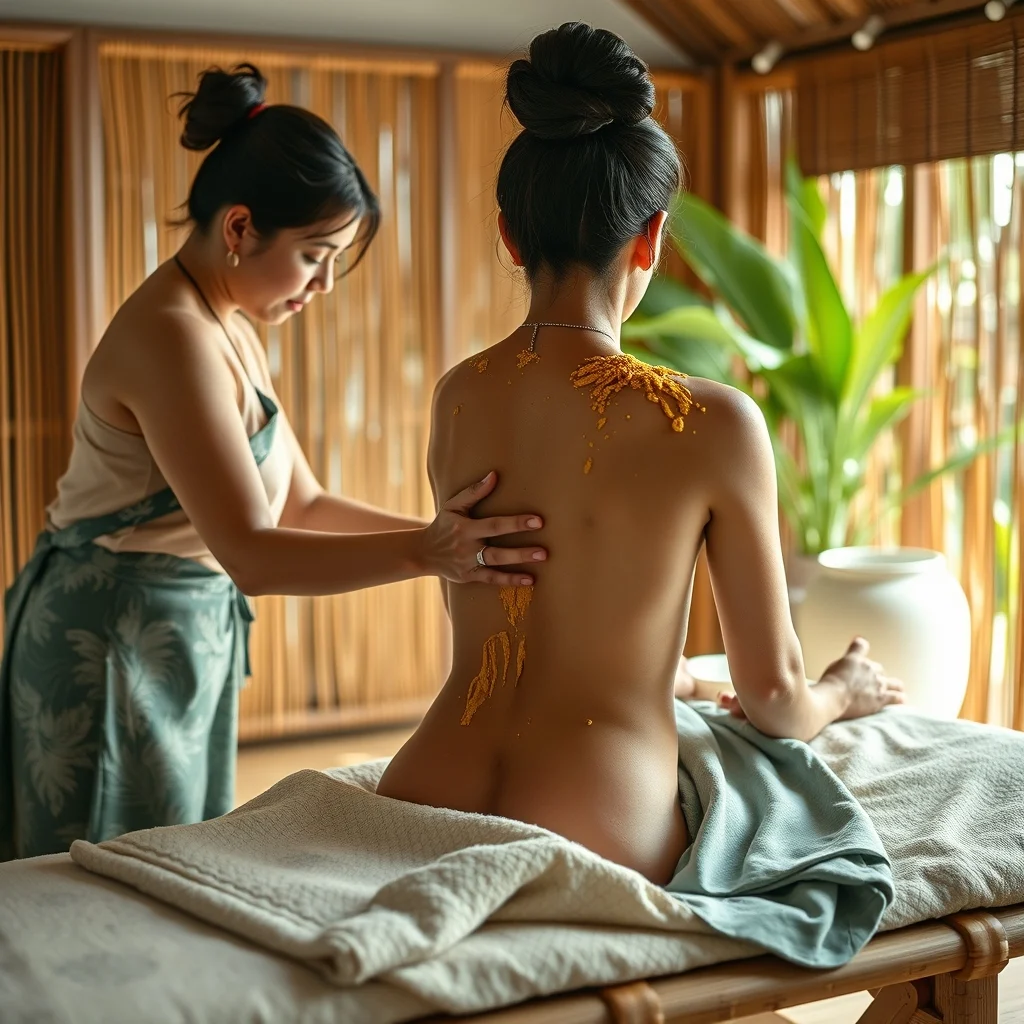
Indonesia’s traditional herbal skincare practices, including lulur, jamu, and organic remedies, are experiencing a resurgence in modern dermatological applications, driven by scientific validation and cultural preservation efforts. These age-old treatments, rooted in Javanese, Balinese, and Sundanese traditions, have been used for centuries to enhance skin health, address dermatological concerns, and promote overall well-being. Recent studies, including a 2023 report by the Indonesian Ministry of Health, confirm the efficacy of key ingredients such as turmeric, rice bran, and bengkoang in treating hyperpigmentation, acne, and premature aging. The revival is particularly evident in urban centers like Jakarta, Yogyakarta, and Bali, where spas and skincare brands are integrating these remedies into contemporary beauty routines.
The Historical Roots of Indonesia’s Herbal Skincare Traditions
Traditional Indonesian skincare practices date back over 1,000 years, with written records from the Majapahit Empire (1293–1527) documenting the use of herbal concoctions for beauty and medicinal purposes. The Serat Centhini, an 18th-century Javanese manuscript, details over 200 herbal recipes, including lulur—a body scrub made from turmeric, rice flour, and sandalwood—used by royal families to achieve radiant skin. Similarly, jamu, a traditional herbal drink, was historically consumed to detoxify the body and improve skin clarity. These practices were not merely cosmetic but deeply intertwined with holistic wellness philosophies, emphasizing balance between the body, mind, and environment.
In Bali, the boreh ritual, a spice-based body mask, has been passed down through generations, particularly among women preparing for ceremonies. The treatment, typically applied before weddings or religious events, combines cloves, nutmeg, and ginger to stimulate circulation and impart a natural glow. Anthropological studies, such as those conducted by the University of Indonesia in 2021, highlight the cultural significance of these rituals, which extend beyond aesthetics to symbolize purity and social status.
The Science Behind Key Ingredients
Modern dermatological research has begun to validate the efficacy of Indonesia’s traditional skincare ingredients. Turmeric (Curcuma longa), a staple in lulur and jamu, contains curcumin, a compound with potent anti-inflammatory and antioxidant properties. A 2022 study published in the Journal of Cosmetic Dermatology found that topical application of turmeric reduced acne lesions by 30% over an eight-week period. Similarly, bengkoang (Pachyrhizus erosus), a tuber rich in vitamin C and enzymes, has been shown to inhibit melanin production, making it effective for brightening hyperpigmented skin.
Rice bran, another common ingredient in traditional masks, is rich in ferulic acid and gamma-oryzanol, which protect against UV-induced skin damage. A 2020 clinical trial by the Bandung Institute of Technology demonstrated that rice bran-based formulations improved skin elasticity by 22% in participants aged 30–50. These findings align with the growing global demand for natural, evidence-based skincare solutions, as highlighted by a 2023 report from Grand View Research, which projects the organic skincare market to reach $25.1 billion by 2027.
Contemporary Adaptations and Global Influence
The integration of traditional Indonesian skincare into modern beauty regimens is evident in the rise of local brands such as Sariayu, Mustika Ratu, and Biokos, which have reformulated ancient recipes for contemporary consumers. Mustika Ratu, founded in 1975, was among the first to commercialize jamu-inspired products, including its best-selling Kunyit Asam (turmeric-tamarind) drink, which claims to purify the blood and enhance skin radiance. The brand’s success has inspired international collaborations, such as its 2022 partnership with French cosmetics giant L’Oréal to develop a turmeric-infused serum for the global market.
Spas in Bali and Java have also played a pivotal role in popularizing these treatments. The Karsa Spa in Ubud, for instance, offers a Royal Lulur ritual that combines traditional techniques with modern dermatological principles. According to spa director I Gusti Ayu Made, “Our clients, including international visitors, seek these treatments not only for their efficacy but also for the cultural experience. The lulur ritual is a form of self-care that connects them to Indonesia’s heritage.” This sentiment is echoed by a 2023 survey conducted by the Indonesian Tourism Ministry, which found that 68% of foreign tourists visiting Bali participated in at least one traditional beauty treatment during their stay.
Challenges and Sustainability Concerns
Despite their growing popularity, traditional Indonesian skincare practices face challenges related to sustainability and standardization. The overharvesting of wild herbs, such as temulawak (Javanese ginger) and secang (sappan wood), has raised concerns about biodiversity loss. A 2022 report by the World Wildlife Fund (WWF) Indonesia highlighted the need for regulated cultivation to prevent depletion of these resources. Additionally, the lack of standardized formulations poses risks for consumers, as unregulated products may contain contaminants or ineffective concentrations of active ingredients.
To address these issues, the Indonesian government, in collaboration with the National Institute of Health Research and Development, has initiated programs to promote sustainable sourcing and quality control. In 2023, the Ministry of Environment and Forestry launched a certification system for organic skincare ingredients, ensuring that products meet international safety and efficacy standards. These efforts aim to preserve the integrity of traditional remedies while supporting local farmers and artisans.
The resurgence of Indonesia’s traditional herbal skincare practices reflects a broader global shift toward natural, culturally rooted beauty solutions. As scientific research continues to validate the efficacy of these remedies, their integration into modern dermatology offers a sustainable alternative to synthetic products. The preservation of these traditions not only honors Indonesia’s rich cultural heritage but also provides a blueprint for holistic, evidence-based skincare in an increasingly health-conscious world.
You may also like
-
Complete Guide to Choosing the Best Sunscreen for Your Skin Type
-
Bare Minimum Beauty: Simplify Your Routine Without Sacrificing Glow
-
2024 Pediatric Skin Care Alert: How to Safeguard Newborns from Common Dermatological Risks Using Clinically Validated Methods
-
Bare Minimum Beauty 2024: Indonesia’s Top Dupe Makeup and Skincare Picks That Deliver High-End Results at Budget Prices—Expert-Backed Affordable Alternatives for Every Routine
-
Bare Minimum Beauty 2025: Indonesia’s Most Affordable Dupe Makeup and Skincare Brands That Outperform Luxury at a Fraction of the Cost—Expert Insights and Market Data