
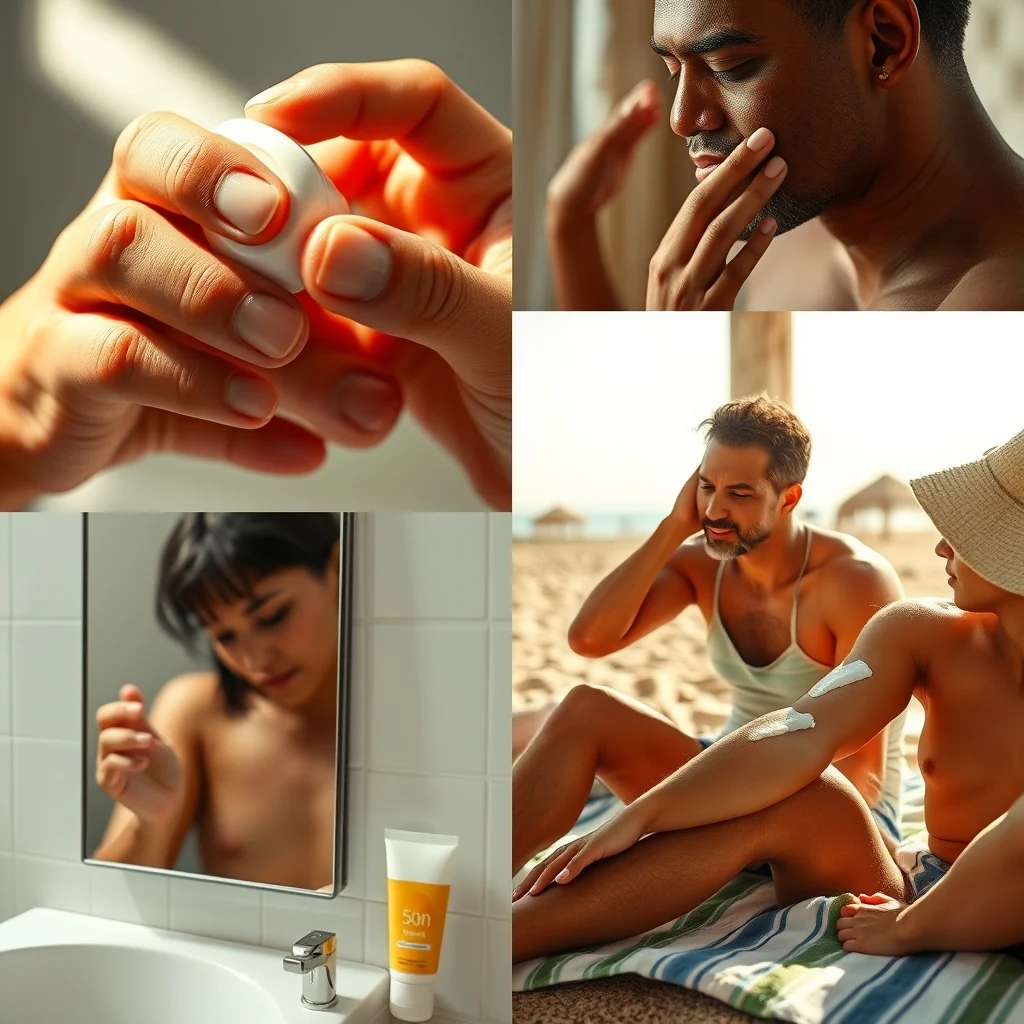
Finding the right **sunscreen** can feel overwhelming with so many options on the market. Whether you have oily, dry, sensitive, or combination skin, the wrong choice can lead to breakouts, irritation, or ineffective protection. The good news? With a few simple guidelines, you can pick a sunscreen that shields your skin from harmful UV rays while keeping it healthy and comfortable all day long.
Understand Your Skin’s Unique Needs
Before diving into product labels, take a moment to assess your skin type. Oily skin benefits from lightweight, non-comedogenic formulas that won’t clog pores, while dry skin thrives with hydrating ingredients like glycerin or hyaluronic acid. Sensitive skin requires fragrance-free and hypoallergenic options to avoid redness or stinging. Combination skin, on the other hand, may need a balanced formula that addresses both dry and oily areas.
If you’re unsure about your skin type, observe how your skin feels a few hours after cleansing. Does it feel tight and flaky, or does it look shiny? These clues will help you narrow down the best **sunscreen** for your needs. Remember, the right product should feel comfortable, not heavy or greasy.
Decoding Sunscreen Labels: SPF and Broad-Spectrum Protection
SPF (Sun Protection Factor) measures how well a sunscreen protects against UVB rays, which cause sunburn. However, SPF alone isn’t enough—look for “broad-spectrum” on the label to ensure protection against UVA rays, which contribute to premature aging and skin cancer. The American Academy of Dermatology recommends using a **sunscreen** with at least SPF 30 for daily use, even on cloudy days.
Higher SPF numbers don’t always mean better protection. SPF 30 blocks about 97% of UVB rays, while SPF 50 blocks around 98%. The key is applying enough product and reapplying every two hours, especially if you’re swimming or sweating. Don’t forget areas like your ears, neck, and the tops of your feet—these spots are often overlooked but just as vulnerable.
Mineral vs. Chemical Sunscreens: Which One Is Right for You?
Mineral sunscreens, containing zinc oxide or titanium dioxide, sit on top of the skin and reflect UV rays. They’re ideal for sensitive skin because they’re less likely to cause irritation. Chemical sunscreens, on the other hand, absorb UV rays and convert them into heat. These formulas are often lighter and more cosmetically elegant, making them a favorite for daily wear under makeup.
If you have acne-prone skin, opt for a chemical **sunscreen** labeled “non-comedogenic” to avoid clogging pores. For those with rosacea or eczema, mineral sunscreens are usually the safer bet. Some products combine both types for balanced protection and comfort. Experiment to see which formula feels best on your skin—there’s no one-size-fits-all answer.
Application Tips for Maximum Protection
Applying **sunscreen** correctly is just as important as choosing the right one. Most people don’t use enough—aim for about a nickel-sized amount for your face and a shot glass full for your body. Apply it 15 minutes before sun exposure to allow the ingredients to bind to your skin. If you’re using a spray, rub it in afterward to ensure even coverage.
Reapplication is non-negotiable, especially if you’re spending time outdoors. Water-resistant formulas are great for swimming or sweating, but they still need to be reapplied every 40 to 80 minutes, depending on the label. If you’re wearing makeup, consider a powder or spray sunscreen for touch-ups throughout the day. These products make reapplication easy without disturbing your look.
Sunscreen for Different Activities and Lifestyles
Your daily routine influences the type of **sunscreen** you need. If you work indoors but sit near windows, UV rays can still reach your skin, so a lightweight SPF 30 is a must. For outdoor activities like hiking or beach days, opt for a water-resistant, high-SPF formula. Athletes should look for sweat-resistant options that stay put during intense workouts.
Travelers should pack travel-sized sunscreens to comply with airline regulations. If you’re flying, remember that UV exposure is higher at high altitudes, so reapply more frequently. For those who wear makeup, tinted sunscreens can double as a light foundation while providing protection. The goal is to find a product that fits seamlessly into your lifestyle.
Common Mistakes to Avoid When Using Sunscreen
One of the biggest mistakes is assuming **sunscreen** is only needed on sunny days. UV rays penetrate clouds and windows, so daily protection is essential year-round. Another error is relying solely on makeup with SPF—most foundations don’t provide enough coverage, so layering a dedicated sunscreen underneath is key.
Skipping sunscreen on darker skin tones is another misconception. While melanin offers some natural protection, it doesn’t prevent UV damage or skin cancer. Everyone, regardless of skin tone, should use **sunscreen** daily. Finally, don’t forget to check the expiration date. Sunscreen loses effectiveness over time, so replace it every two to three years or as indicated on the packaging.
Now that you’re armed with these tips, it’s time to find the perfect **sunscreen** for your skin. Start by identifying your skin type and needs, then explore formulas that offer both protection and comfort. With the right product, you can enjoy the sun safely while keeping your skin healthy and glowing for years to come. For more trusted information on sun safety, visit the American Academy of Dermatology.
You may also like
-
Bare Minimum Beauty: Simplify Your Routine Without Sacrificing Glow
-
2024 Pediatric Skin Care Alert: How to Safeguard Newborns from Common Dermatological Risks Using Clinically Validated Methods
-
Bare Minimum Beauty 2024: Indonesia’s Top Dupe Makeup and Skincare Picks That Deliver High-End Results at Budget Prices—Expert-Backed Affordable Alternatives for Every Routine
-
Indonesia’s Traditional Herbal Skincare: The Proven Benefits of Lulur, Jamu, and Organic Remedies in Modern Dermatological Practices
-
Bare Minimum Beauty 2025: Indonesia’s Most Affordable Dupe Makeup and Skincare Brands That Outperform Luxury at a Fraction of the Cost—Expert Insights and Market Data