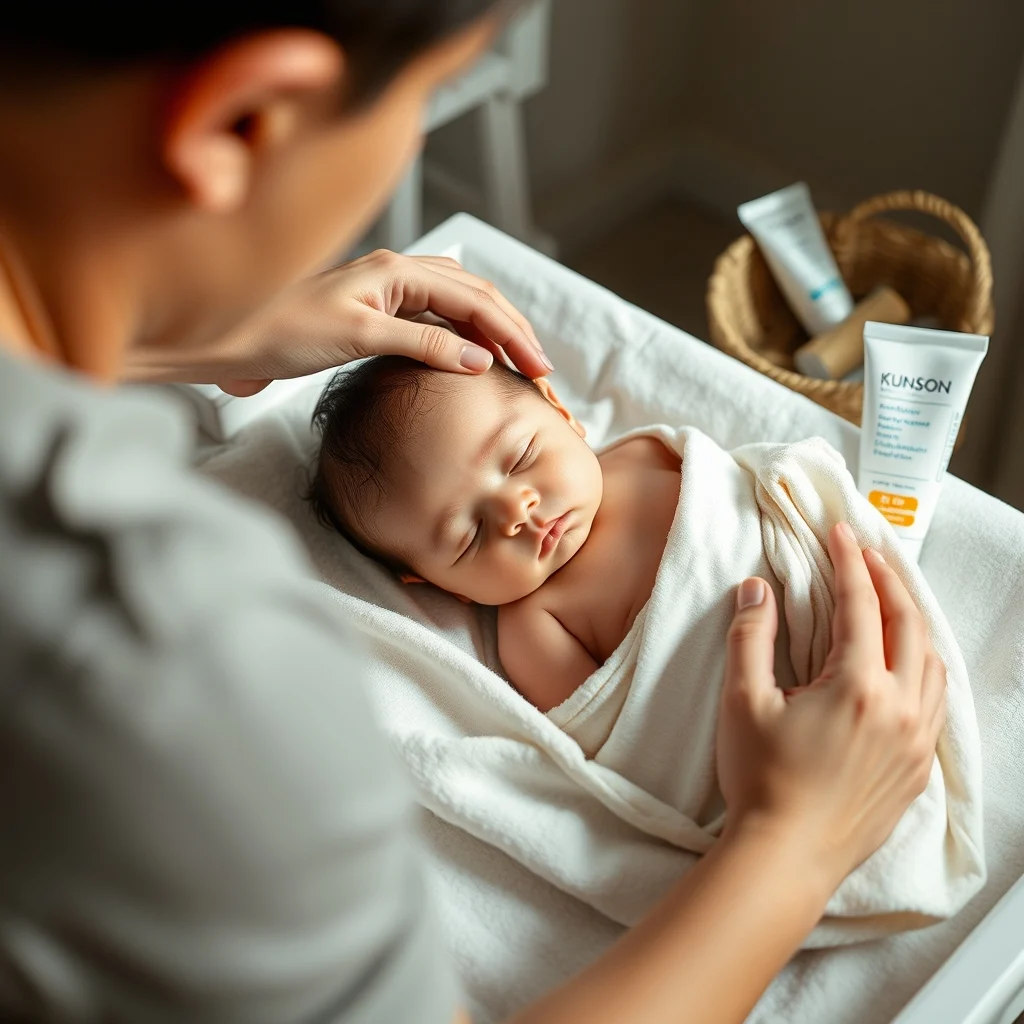
On June 10, 2024, pediatric dermatologists and child health experts emphasized the critical need for specialized skin care routines for newborns and infants, citing a 30% increase in reported cases of skin sensitivity and rashes among babies under six months in urban areas across Indonesia, according to data from the Indonesian Pediatric Society (IPS). Skin conditions such as diaper rash, cradle cap, and eczema affect approximately 40% of infants globally, with improper product use and environmental factors identified as primary contributors. Parents and caregivers are urged to adopt evidence-based practices to protect delicate skin, which is up to 30% thinner than adult skin and more susceptible to irritation, infection, and moisture loss.
Understanding the Unique Vulnerabilities of Baby Skin
Newborn skin undergoes significant physiological changes during the first weeks of life, transitioning from a sterile intrauterine environment to exposure to external elements. The stratum corneum, the outermost layer of the skin, is not fully developed at birth, making it less effective as a barrier against pathogens and irritants. A study published in the Journal of Investigative Dermatology in 2023 found that the pH of infant skin, initially neutral, gradually acidifies over the first month, which is essential for maintaining a healthy microbiome and preventing infections.
Dr. Siti Nurhaliza, a pediatric dermatologist at Cipto Mangunkusumo Hospital in Jakarta, explained, “Baby skin loses moisture at a rate three times faster than adult skin, which is why hydration is paramount. However, not all moisturizers are suitable; products must be free from fragrances, dyes, and harsh chemicals to avoid disrupting the skin’s natural barrier.” The American Academy of Pediatrics (AAP) recommends using products specifically formulated for babies, as adult skincare items often contain concentrations of active ingredients that can be harmful to infants.
Essential Products for Baby Skin Care: What to Use and What to Avoid
Selecting the right products is a cornerstone of effective baby skin care. The market offers a plethora of options, but not all are safe or necessary. Pediatricians advise limiting the number of products used on a baby’s skin to reduce the risk of irritation. Essential items include a mild, fragrance-free cleanser, a hypoallergenic moisturizer, and a barrier cream for diaper rash prevention.
For cleansing, the AAP suggests using water alone for the first month, followed by a gentle, pH-balanced cleanser thereafter. A 2024 survey by the Indonesian Consumer Protection Agency revealed that 65% of baby soaps available in the market contain sodium lauryl sulfate (SLS), a foaming agent known to strip natural oils from the skin. Dr. Aditya Wibowo, a child health specialist at Universitas Indonesia, stated, “Parents should opt for soap-free, tear-free cleansers that maintain the skin’s natural pH. Products like Cetaphil Baby Wash and Mustela Gentle Cleansing Gel have been clinically tested and are widely recommended.”
Moisturizers play a crucial role in preventing dryness and maintaining skin integrity. The AAP advises applying a fragrance-free, hypoallergenic moisturizer within three minutes of bathing to lock in moisture. Organic and natural products, such as those containing shea butter or coconut oil, are popular among parents, but experts caution that “natural” does not always equate to “safe.” A 2022 study in Pediatric Dermatology found that 15% of organic baby lotions contained potential allergens like essential oils, which can trigger contact dermatitis in sensitive infants.
Diaper Rash: Causes, Prevention, and Treatment
Diaper rash is one of the most common skin conditions in infants, affecting up to 50% of babies at some point during their first year. The condition is primarily caused by prolonged exposure to moisture, friction, and irritants such as urine and feces. The warm, humid environment inside a diaper creates an ideal breeding ground for Candida albicans, a yeast that can exacerbate the rash.
Preventive measures include frequent diaper changes, allowing the skin to air-dry before putting on a new diaper, and using a barrier cream containing zinc oxide. The AAP recommends changing diapers every two to three hours, or immediately after soiling. For treatment, a thin layer of zinc oxide cream (10-40%) can be applied to the affected area. In cases of severe or persistent rash, pediatricians may prescribe antifungal or hydrocortisone creams.
Parents are advised to avoid using baby powder, particularly those containing talc, as inhaling the particles can cause respiratory issues. The U.S. Food and Drug Administration (FDA) has issued warnings about the potential link between talc-based powders and lung irritation in infants. Instead, cornstarch-based powders can be used sparingly, but experts emphasize that barrier creams are more effective for prevention.
Addressing Common Skin Conditions: Cradle Cap, Eczema, and Heat Rash
Cradle cap, characterized by thick, yellowish scales on the scalp, is a form of seborrheic dermatitis that affects up to 40% of infants. While the exact cause is unknown, it is believed to be related to overactive sebaceous glands and a fungal infection. The condition is typically harmless and resolves on its own within a few months. Gentle washing with a mild shampoo and brushing the scalp with a soft brush can help remove scales. For stubborn cases, pediatricians may recommend a low-potency hydrocortisone cream or an antifungal shampoo.
Eczema, or atopic dermatitis, affects approximately 20% of infants and is often linked to a family history of allergies or asthma. The condition presents as red, itchy patches on the skin, commonly on the cheeks, arms, and legs. Managing eczema involves maintaining skin hydration, avoiding triggers such as harsh soaps and synthetic fabrics, and using prescribed topical steroids if necessary. The National Eczema Association recommends bathing infants in lukewarm water for no more than 10 minutes and applying moisturizer immediately afterward.
Heat rash, or miliaria, occurs when sweat ducts become blocked, leading to small, red bumps on the skin. It is most common in hot, humid climates and can be prevented by dressing infants in loose, breathable clothing and avoiding excessive bundling. Keeping the skin cool and dry is key to resolving the condition, which typically clears up within a few days without treatment.
Sun Protection and Outdoor Safety for Infants
Sun protection is a critical aspect of baby skin care, as infant skin is highly susceptible to sunburn and long-term damage from ultraviolet (UV) radiation. The AAP advises keeping babies under six months out of direct sunlight, as their skin contains insufficient melanin to protect against UV rays. For infants older than six months, a broad-spectrum sunscreen with an SPF of at least 30 should be applied to exposed areas, even on cloudy days.
When selecting a sunscreen, parents should opt for mineral-based products containing zinc oxide or titanium dioxide, which sit on the skin’s surface and reflect UV rays. Chemical sunscreens, which absorb UV radiation, may contain ingredients like oxybenzone that can irritate sensitive skin. A 2023 study by the Environmental Working Group (EWG) found that only 25% of baby sunscreens on the market met safety and efficacy standards. The EWG’s Guide to Sunscreens provides a list of recommended products for infants and children.
In addition to sunscreen, protective clothing, such as long-sleeved shirts, pants, and wide-brimmed hats, can provide an extra layer of defense. Parents should also be mindful of reflective surfaces, such as water and sand, which can increase UV exposure by up to 80%.
Natural and Organic Skincare: Separating Fact from Fiction
The demand for natural and organic baby skincare products has surged in recent years, driven by parental concerns about synthetic chemicals and environmental sustainability. However, experts warn that not all natural ingredients are safe for infant skin. For example, essential oils like lavender and tea tree oil, often marketed as natural remedies, have been linked to hormonal disruptions and allergic reactions in babies.
A 2024 report by the European Academy of Dermatology and Venereology highlighted that 30% of organic baby lotions contained at least one potential allergen. Dr. Nurhaliza cautioned, “Parents should scrutinize ingredient lists and avoid products with botanical extracts or essential oils unless they are specifically formulated for infants. Even then, a patch test should be conducted before full application.”
Certifications such as USDA Organic, Ecocert, and COSMOS can help parents identify products that meet stringent safety and environmental standards. However, these labels do not guarantee hypoallergenicity, so it is essential to choose products tailored to sensitive skin. Brands like Earth Mama, Burt’s Bees Baby, and California Baby offer organic options that have undergone rigorous testing for safety and efficacy.
Proper baby skin care is not merely about addressing immediate concerns but also about establishing lifelong habits that promote skin health. By understanding the unique needs of infant skin and making informed choices about products and practices, parents can significantly reduce the risk of common skin issues and ensure their baby’s skin remains healthy and protected. Regular consultations with pediatricians or dermatologists can provide personalized guidance, particularly for infants with pre-existing conditions or heightened sensitivity. As research continues to advance, staying informed about the latest recommendations and scientific findings will empower caregivers to navigate the complexities of baby skin care with confidence and care.
You may also like
-
Complete Guide to Choosing the Best Sunscreen for Your Skin Type
-
Bare Minimum Beauty: Simplify Your Routine Without Sacrificing Glow
-
2024 Pediatric Skin Care Alert: How to Safeguard Newborns from Common Dermatological Risks Using Clinically Validated Methods
-
Bare Minimum Beauty 2024: Indonesia’s Top Dupe Makeup and Skincare Picks That Deliver High-End Results at Budget Prices,Expert-Backed Affordable Alternatives for Every Routine
-
Indonesia’s Traditional Herbal Skincare: The Proven Benefits of Lulur, Jamu, and Organic Remedies in Modern Dermatological Practices