
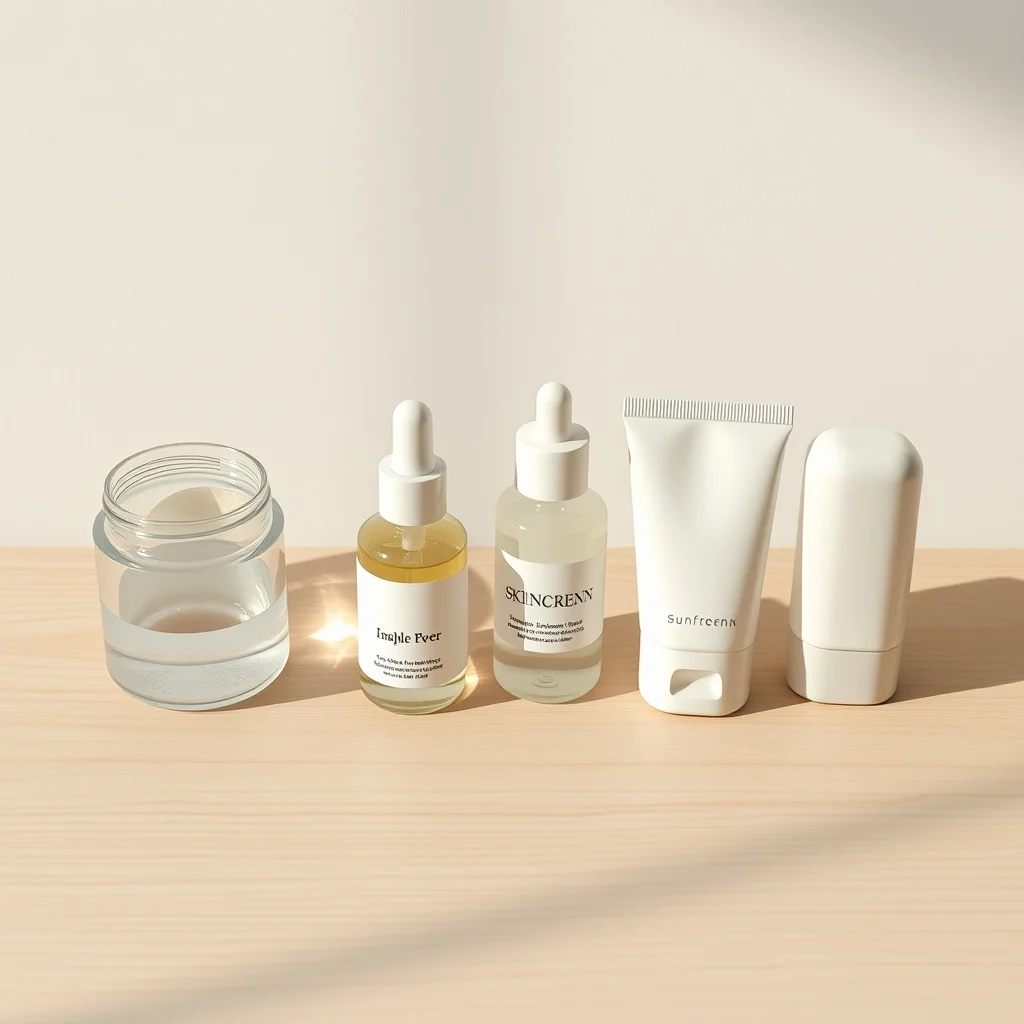
Struggling to achieve healthy, glowing skin on a budget can be frustrating—especially when you’re doing everything *right* or so you think. Many people unknowingly sabotage their **budget skincare routines** with small but costly mistakes, leaving their skin dull, irritated, or uneven. The good news? Avoiding these pitfalls can transform your routine into an effective, wallet-friendly regimen that delivers real results without breaking the bank.
Skincare doesn’t have to be complicated or expensive to work. The key lies in understanding what *not* to do. Whether you’re a beginner or a seasoned skincare enthusiast, recognizing these common errors can save you time, money, and unnecessary stress. Let’s dive into the mistakes that might be holding your skin back—and how to fix them for good.
Overcomplicating Your Routine with Too Many Products
One of the biggest mistakes people make is layering too many products onto their skin, thinking more equals better. While it’s tempting to try every new budget-friendly serum or moisturizer, your skin can only handle so much. Overloading your routine can lead to irritation, breakouts, or even a compromised skin barrier, especially if you’re using actives like retinol or acids.
Instead of jumping on every trend, focus on a simple, effective **budget skincare routine** that targets your specific concerns. Start with the basics: a gentle cleanser, a lightweight moisturizer, and sunscreen. If you’re introducing actives like niacinamide or hyaluronic acid, introduce them one at a time to monitor how your skin reacts.
Remember, your skin’s health depends on consistency, not complexity. Stick to a minimalist approach and give each product time to work. If you notice redness, tightness, or discomfort, it’s a sign you might be overdoing it.
Ignoring Your Skin Type and Concerns
Another common error is treating all skin types the same. What works for oily skin might dry out sensitive skin, and vice versa. If you’re not tailoring your **budget skincare routines** to your unique skin type, you could be wasting money on products that don’t address your needs—or worse, causing more harm than good.
Take a moment to assess your skin: Is it dry, oily, combination, or sensitive? Does it feel tight, greasy, or prone to redness? Once you identify your skin type, choose products formulated to support it. For example, those with dry skin should look for hydrating ingredients like ceramides or glycerin, while oily skin types may benefit from oil-free, non-comedogenic formulas.
If you’re unsure about your skin type, start with a basic cleanser and moisturizer, and observe how your skin reacts. Adjust your routine based on what you notice—this trial-and-error process is part of finding the right fit.
Skipping the Essentials: Cleanser, Moisturizer, and Sunscreen
Even on a tight budget, cutting corners on the fundamentals is a mistake. Skipping your cleanser, moisturizer, or sunscreen might seem like a way to save money, but it can lead to long-term damage. A proper **budget skincare routine** should always include these three non-negotiables.
Your cleanser removes dirt, oil, and impurities without stripping your skin of its natural moisture. A good moisturizer helps maintain your skin’s barrier, preventing dryness and irritation. And sunscreen? It’s the ultimate protective step, shielding your skin from UV damage that can cause premature aging, hyperpigmentation, and even skin cancer. For more on the importance of sunscreen, you can learn more [here](https://www.aad.org).
You don’t need to spend a fortune on these basics. Many drugstore brands offer effective, affordable options that deliver the same benefits as high-end products. The key is consistency—using these products daily will make a noticeable difference over time.
Using Expired or Contaminated Products
Even the most affordable skincare products can lose their effectiveness—or worse, become harmful—if they’re expired or contaminated. Many people overlook the expiration dates on their serums, lotions, or even makeup, assuming they’re safe to use indefinitely. However, expired products can harbor bacteria, lose potency, or even cause irritation.
Always check the expiration date on your products before use. If a product has changed in texture, smell, or color, it’s time to toss it. For example, lotions may separate, and serums might develop an off smell. Keeping a small notebook or using a skincare app to track expiration dates can help you stay on top of this.
Additionally, avoid dipping your fingers into jars of cream or using dirty applicators. Contamination can introduce bacteria to your skin, leading to breakouts or infections. Instead, use clean fingers, spoons, or applicators to apply your products.
Expecting Instant Results
One of the most disheartening mistakes people make is expecting dramatic changes overnight. Skincare is a long-term commitment, and even the best **budget skincare routines** take time to show results. If you’re not seeing immediate improvements, it’s easy to get discouraged and abandon your routine entirely.
Give your skin at least 4–6 weeks to adjust to new products before expecting noticeable changes. Ingredients like retinol, vitamin C, or hyaluronic acid work gradually, repairing and hydrating your skin over time. Consistency is key—skipping steps or products because you don’t see results right away can undo all your progress.
Take progress photos every few weeks to track subtle changes in your skin’s texture, tone, and overall appearance. You might notice improvements in hydration, reduced redness, or a smoother complexion that weren’t immediately visible.
Mixing Incompatible Ingredients
Another common blunder is mixing ingredients that don’t play well together. For example, pairing vitamin C with retinol or using benzoyl peroxide with acidic toners can cause irritation, redness, or even chemical burns. Even on a budget, it’s important to understand which ingredients can be combined safely and which should be used separately.
If you’re introducing actives like AHAs, BHAs, or retinol, space them out in your routine. For instance, use your AHA/BHA toner in the evening and retinol on alternate nights to avoid overloading your skin. Always patch-test new products before incorporating them into your full routine.
When in doubt, stick to a simple routine with complementary ingredients. For example, niacinamide pairs well with most skincare products, including moisturizers and sunscreens, making it a versatile and budget-friendly addition to your regimen.
Building a successful **budget skincare routine** doesn’t require spending a fortune or following every trend. The key is avoiding these common mistakes and focusing on what truly works for your skin. Start by simplifying your routine, tailoring it to your skin type, and sticking to the essentials. With patience and consistency, you’ll see improvements that go beyond what you ever imagined—all while keeping your wallet happy.
Your skin deserves the best care, and the best part is, it doesn’t have to cost a fortune. Begin today by reassessing your routine, eliminating the mistakes, and embracing a simpler, more effective approach. Your future self—and your skin—will thank you.
You may also like
-
Budget Skincare Routines: A Beginner’s Guide to Healthy Skin
-
Budget Skincare Routines: A Step-by-Step Guide for Oily Skin
-
Budget Skincare Routines: This Year’s Simplest Approach for Glowing Skin
-
Budget Skincare Routines: Quick Tips for Busy People Who Want Healthy Skin
-
Budget Skincare Routines: A Barrier-First Approach for Healthy Skin