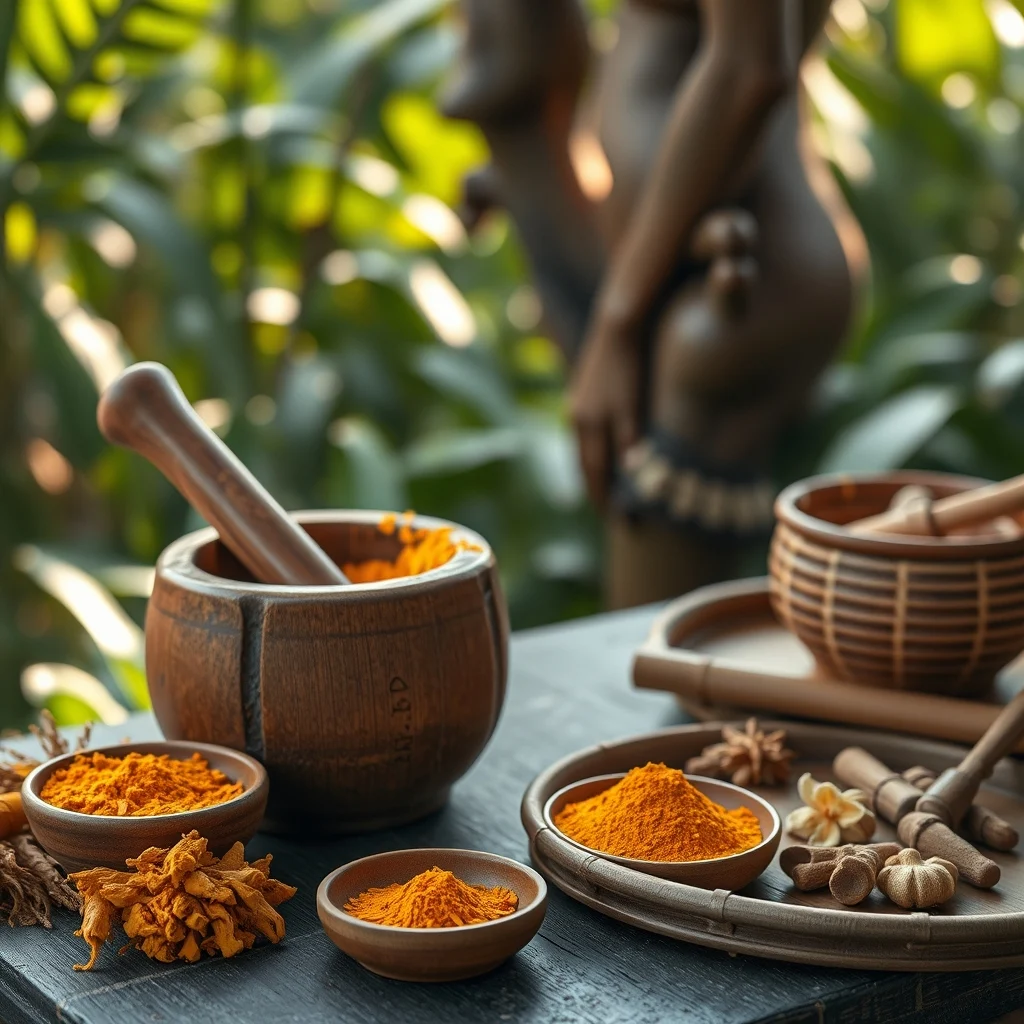
Indonesia’s traditional herbal skincare practices, deeply rooted in centuries-old wisdom, are experiencing a resurgence as modern science validates their efficacy in promoting radiant, healthy skin. These remedies, including lulur (herbal body scrubs), jamu (herbal tonics), and organic face masks, have been used for generations across the archipelago, particularly in Java, Bali, and Sumatra, to address common skin concerns such as hyperpigmentation, acne, and premature aging. Recent studies, including a 2022 report by the Indonesian Ministry of Health, highlight the antimicrobial and antioxidant properties of indigenous ingredients like turmeric, rice bran, and bengkoang (jicama), which form the backbone of these treatments. The revival of these practices is driven by a growing global demand for natural, sustainable beauty solutions, as well as a renewed appreciation for cultural heritage.
The Historical Foundations of Indonesian Herbal Skincare
Traditional Indonesian skincare rituals date back to the pre-colonial era, with written records of jamu formulations appearing in ancient Javanese manuscripts such as the Serat Centhini, compiled in the early 19th century. These texts document the use of over 200 herbal ingredients, including ginger, tamarind, and sandalwood, for both medicinal and cosmetic purposes. The lulur ritual, originally performed by Javanese royalty ahead of significant ceremonies, was designed to exfoliate, brighten, and soften the skin. According to Dr. Retno Iswari Tranggono, a dermatologist and researcher at the University of Indonesia, “The lulur tradition was not merely a beauty treatment but a holistic practice that combined physical exfoliation with spiritual purification, reflecting the Javanese philosophy of harmony between body and soul.”
In Bali, the boreh scrub, a variant of lulur, incorporates rice flour, turmeric, and cloves to enhance circulation and impart a natural glow. These practices were historically passed down through oral traditions and apprenticeships, with knowledge preserved within families and royal courts. The colonial period saw a decline in their popularity as Western beauty standards gained prominence, but the late 20th century marked a revival, fueled by a renewed interest in indigenous knowledge.
The Science Behind Traditional Ingredients
Modern research has begun to uncover the scientific basis for the effectiveness of Indonesia’s traditional skincare ingredients. Turmeric (Curcuma longa), a staple in jamu and lulur formulations, contains curcumin, a compound with potent anti-inflammatory and antioxidant properties. A 2021 study published in the Journal of Cosmetic Dermatology found that topical application of curcumin reduced hyperpigmentation by 30% over an eight-week period, comparable to conventional hydroquinone treatments. Similarly, bengkoang, a root vegetable rich in vitamin C and oligofructose, has been shown to inhibit melanin production, making it a natural alternative for skin brightening.
Rice bran, another key ingredient in traditional masks, is packed with ferulic acid and gamma-oryzanol, which protect against UV-induced skin damage. A 2020 clinical trial conducted by the Bandung Institute of Technology demonstrated that a rice bran-based mask improved skin elasticity by 22% in participants aged 30-50 after four weeks of use. These findings align with the observations of traditional healers, who have long touted the benefits of these ingredients for maintaining youthful skin. The integration of scientific validation has lent credibility to these practices, encouraging their adoption in modern skincare routines.
Regional Variations and Cultural Significance
Indonesia’s diverse cultural landscape has given rise to a variety of regional skincare traditions, each adapted to local ingredients and environmental conditions. In Sumatra, the Minangkabau people use a paste made from daun sirih (betel leaves) and coconut oil to treat acne and soothe irritated skin. The leaves contain eugenol, a compound with antibacterial properties that has been shown to reduce Propionibacterium acnes, the bacteria responsible for acne breakouts. Meanwhile, in Sulawesi, the Bugis community relies on kunyit asam (turmeric and tamarind) scrubs to even out skin tone and improve texture.
The lulur Jawa klasik, a classic Javanese body scrub, typically includes a blend of turmeric, sandalwood, and jasmine rice flour, often mixed with rose water or coconut milk. This formulation is designed to cleanse, exfoliate, and nourish the skin, leaving it soft and fragrant. According to a 2019 survey by the Indonesian Beauty Industry Association, 65% of women in Java and Bali reported using traditional skincare remedies at least once a month, with lulur being the most popular treatment. The cultural significance of these rituals extends beyond aesthetics, serving as a means of preserving heritage and fostering community bonds.
Modern Adaptations and Commercialization
The growing global interest in natural beauty has led to the commercialization of traditional Indonesian skincare, with brands like Sariayu, Mustika Ratu, and Biokos tapping into the demand for herbal and organic products. Mustika Ratu, founded in 1975, was one of the first companies to package jamu and lulur for mass consumption, offering products like the Lulur Mandi scrub and Kunyit Asam brightening mask. These brands have expanded their reach internationally, with exports to countries such as Malaysia, Singapore, and the United States.
However, the commercialization of traditional remedies has also raised concerns about cultural appropriation and the exploitation of indigenous knowledge. In 2021, the Indonesian government introduced the Geographical Indications (GI) certification to protect traditional products, including jamu and lulur, from unauthorized use. “The GI certification ensures that these products are produced according to traditional methods and that the benefits are shared with the communities that developed them,” said Dr. Anang Suhardianto, Director of Traditional Medicine at the Ministry of Health. This initiative aims to balance commercialization with the preservation of cultural integrity.
DIY Skincare: Bringing Tradition into the Home
For those seeking to incorporate traditional Indonesian skincare into their routines, DIY recipes offer a cost-effective and customizable alternative to commercial products. A simple masker beras tradisional (traditional rice mask) can be made by soaking rice in water overnight, then blending the rice water with honey and aloe vera gel. This mask is rich in vitamins B and E, which help to hydrate and brighten the skin. Another popular remedy is the lulur pemutih alami (natural whitening scrub), which combines turmeric, yogurt, and oatmeal to exfoliate and lighten dark spots.
To prepare a jamu bersih darah (blood-cleansing tonic), boil a mixture of turmeric, tamarind, and ginger in water, then strain and drink the liquid. This tonic is believed to detoxify the body and improve skin clarity. While these remedies are generally safe, it is important to perform a patch test before use, as some ingredients, such as turmeric, may cause irritation in sensitive individuals. Consulting a dermatologist or traditional healer is recommended for those with specific skin concerns.
The resurgence of Indonesia’s traditional skincare practices reflects a broader global shift toward natural, sustainable beauty solutions. As scientific research continues to validate the efficacy of these remedies, they offer a compelling alternative to synthetic products, rooted in centuries of cultural wisdom. By embracing these traditions, individuals can achieve radiant, healthy skin while honoring the legacy of Indonesia’s herbal skincare heritage.
You may also like
-
Complete Guide to Choosing the Best Sunscreen for Your Skin Type
-
Bare Minimum Beauty: Simplify Your Routine Without Sacrificing Glow
-
2024 Pediatric Skin Care Alert: How to Safeguard Newborns from Common Dermatological Risks Using Clinically Validated Methods
-
Bare Minimum Beauty 2024: Indonesia’s Top Dupe Makeup and Skincare Picks That Deliver High-End Results at Budget Prices—Expert-Backed Affordable Alternatives for Every Routine
-
Indonesia’s Traditional Herbal Skincare: The Proven Benefits of Lulur, Jamu, and Organic Remedies in Modern Dermatological Practices