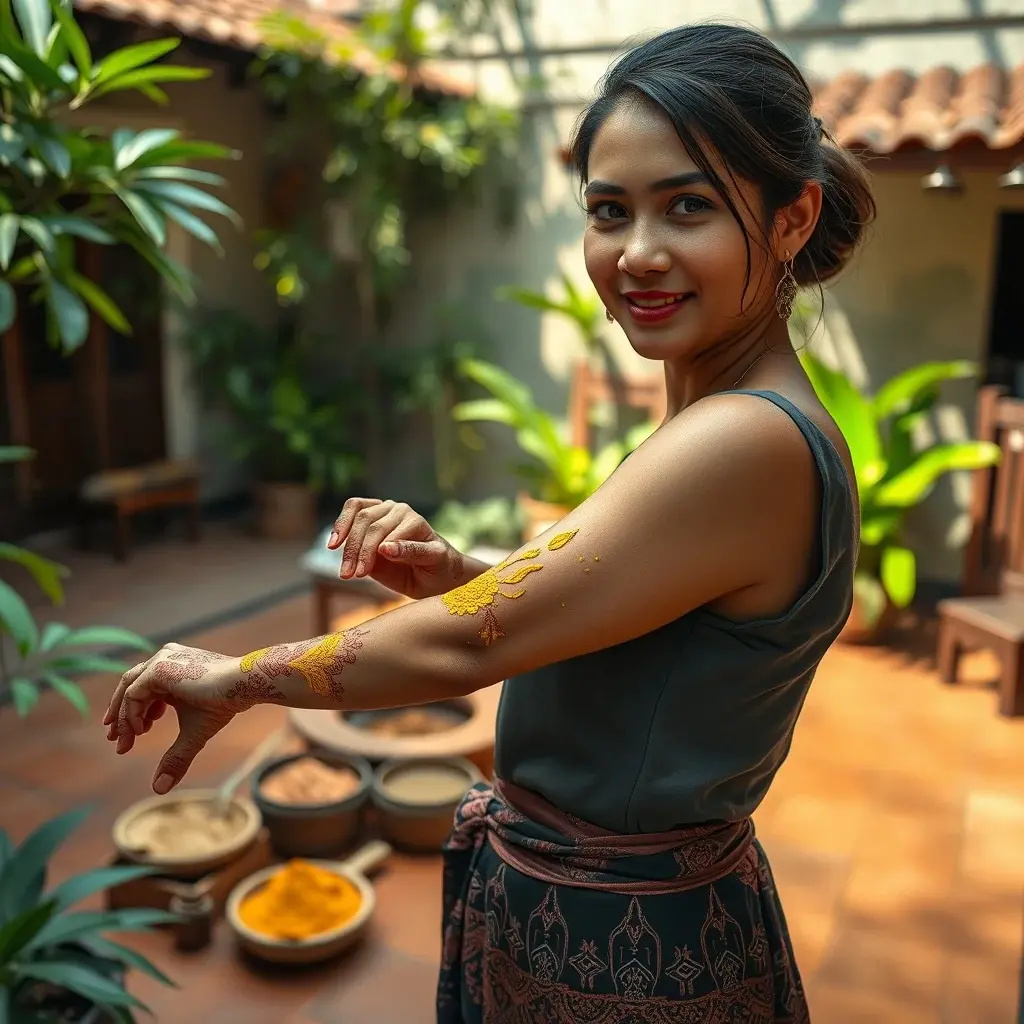
Indonesia’s traditional skincare practices, rooted in centuries-old herbal wisdom, are experiencing a resurgence as global demand for natural and sustainable beauty solutions grows. According to a 2023 report by the Indonesian Ministry of Cooperatives and Small and Medium Enterprises, the country’s herbal skincare market has expanded by 15% annually since 2020, driven by both domestic and international consumers seeking alternatives to synthetic products. These practices, which include lulur (herbal body scrubs), jamu (herbal tonics), and organic face masks, are now being validated by modern dermatological research for their efficacy in addressing skin concerns such as hyperpigmentation, acne, and premature aging. The revival is particularly pronounced in Java, Bali, and Sumatra, where local artisans and beauty brands are preserving and commercializing these age-old techniques.
The Historical Foundations of Indonesian Herbal Skincare
Indonesian traditional skincare traces its origins to the archipelago’s pre-colonial era, where royal courts and rural communities alike relied on locally sourced botanicals for beauty and wellness. Historical records from the 9th-century Mataram Kingdom in Central Java document the use of lulur, a paste made from turmeric, rice flour, and aromatic herbs, as a pre-wedding ritual to brighten and soften the skin. Similarly, jamu, a traditional herbal medicine system, has been practiced for over 1,300 years, with skincare applications documented in palm-leaf manuscripts such as the Serat Centhini (1814). These practices were not merely cosmetic but deeply intertwined with cultural and spiritual beliefs, often used in rites of passage and healing ceremonies.
In Bali, the boreh scrub, a blend of ginger, galangal, and cloves, was traditionally applied to warriors before battle to invigorate the skin and body. Meanwhile, in Sumatra, the Minangkabau people utilized masker bengkoang (jicama masks) for their natural skin-lightening properties, a practice still popular today. The preservation of these methods has been aided by oral traditions and family recipes passed down through generations, ensuring their continuity despite modernization.
The Science Behind Traditional Ingredients
Modern scientific studies have begun to validate the efficacy of Indonesia’s traditional skincare ingredients, many of which contain bioactive compounds with proven dermatological benefits. Turmeric (Curcuma longa), a staple in lulur and jamu, contains curcumin, a potent anti-inflammatory and antioxidant that reduces acne and hyperpigmentation. A 2022 study published in the Journal of Cosmetic Dermatology found that turmeric-based formulations improved skin elasticity by 14% after eight weeks of use. Similarly, rice bran, a key component in traditional masks, is rich in ferulic acid and gamma-oryzanol, which protect against UV damage and promote collagen production.
Dr. Retno Iswari Tranggono, a dermatologist and founder of the Indonesian Society of Cosmetic Dermatology, states, “The synergy between traditional knowledge and modern science is what makes Indonesian herbal skincare so effective. For example, bengkoang (jicama) contains oligofructose, a prebiotic that balances the skin microbiome, while temulawak (Javanese ginger) has been shown to inhibit tyrosinase activity, reducing melanin production.” These findings have prompted collaborations between local farmers, researchers, and beauty brands to standardize and commercialize these ingredients while ensuring sustainability.
From Royal Rituals to Global Markets
The commercialization of Indonesian traditional skincare gained momentum in the early 2000s, as brands like Mustika Ratu and Sariayu Martha Tilaar began exporting products to international markets. Mustika Ratu, founded in 1975, was among the first to package lulur and jamu for retail, leveraging its royal heritage,its founder, Mooryati Soedibyo, is a descendant of the Surakarta Palace. Today, the brand exports to over 20 countries, including the United States and Japan, with its Lulur Mandi scrub generating $5 million in annual revenue as of 2023.
In Bali, the Ubud Body brand has capitalized on the island’s wellness tourism boom by offering boreh scrubs and coconut oil-based treatments in luxury spas. According to a 2023 report by the Bali Tourism Board, wellness tourism contributed $1.2 billion to the island’s economy, with traditional skincare treatments accounting for 30% of spa revenues. The global appeal of these products lies in their authenticity and sustainability, as brands emphasize organic farming, fair trade, and plastic-free packaging.
However, the rapid commercialization has also raised concerns about cultural appropriation and the exploitation of traditional knowledge. In 2021, the Indonesian government introduced the Geographical Indications (GI) protection for jamu and lulur, ensuring that only products made with locally sourced ingredients and traditional methods can bear these labels. This move aims to protect local communities and prevent multinational corporations from patenting indigenous recipes.
DIY Skincare: Bringing Tradition into Modern Homes
The accessibility of traditional ingredients has led to a rise in do-it-yourself (DIY) skincare routines, particularly among younger consumers. Social media platforms like TikTok and Instagram have popularized tutorials on making masker beras (rice masks) and lulur kunyit (turmeric scrubs) at home. A 2023 survey by MarkPlus Inc. found that 42% of Indonesian millennials and Gen Z prefer homemade skincare solutions over commercial products, citing cost-effectiveness and transparency as key factors.
For instance, a simple masker bengkoang can be made by blending jicama with honey and aloe vera, applied weekly to brighten the skin. Similarly, a lulur paste can be prepared using turmeric, rice flour, and coconut oil, providing exfoliation and hydration. While these DIY methods lack the standardized formulations of commercial products, they offer a low-cost alternative for consumers seeking natural skincare solutions.
Despite their popularity, dermatologists caution against unsupervised use of traditional ingredients, as some may cause allergic reactions or interact with modern skincare actives. Dr. Tranggono advises, “Patch testing is essential, especially for ingredients like turmeric, which can stain the skin or cause irritation in high concentrations. Consulting a dermatologist ensures that traditional remedies complement, rather than conflict with, existing skincare routines.”
The Future of Indonesian Traditional Skincare
The global shift toward clean beauty has positioned Indonesian traditional skincare as a viable alternative to synthetic products, with brands increasingly incorporating these methods into their formulations. In 2023, the Indonesian government launched the Jamu and Traditional Medicine Development Program, allocating $10 million to research and innovation in herbal skincare. This initiative includes partnerships with universities and private companies to develop evidence-based products that meet international safety standards.
One such innovation is the use of nanotechnology to enhance the absorption of traditional ingredients. A 2023 study by the Bandung Institute of Technology demonstrated that nano-encapsulated turmeric extract increased skin penetration by 40% compared to conventional formulations. These advancements are expected to bridge the gap between traditional wisdom and modern skincare science, ensuring that Indonesia’s herbal legacy remains relevant in the global beauty industry.
As consumer demand for natural and culturally authentic skincare continues to rise, Indonesia’s traditional remedies are poised to play a pivotal role in shaping the future of beauty. The integration of ancient wisdom with scientific validation not only preserves cultural heritage but also offers sustainable solutions for modern skincare challenges. With ongoing research and responsible commercialization, these time-honored practices may soon become a staple in beauty routines worldwide, proving that the secrets to radiant skin have been growing in Indonesia’s backyards for centuries.
You may also like
-
Complete Guide to Choosing the Best Sunscreen for Your Skin Type
-
Bare Minimum Beauty: Simplify Your Routine Without Sacrificing Glow
-
2024 Pediatric Skin Care Alert: How to Safeguard Newborns from Common Dermatological Risks Using Clinically Validated Methods
-
Bare Minimum Beauty 2024: Indonesia’s Top Dupe Makeup and Skincare Picks That Deliver High-End Results at Budget Prices,Expert-Backed Affordable Alternatives for Every Routine
-
Indonesia’s Traditional Herbal Skincare: The Proven Benefits of Lulur, Jamu, and Organic Remedies in Modern Dermatological Practices