
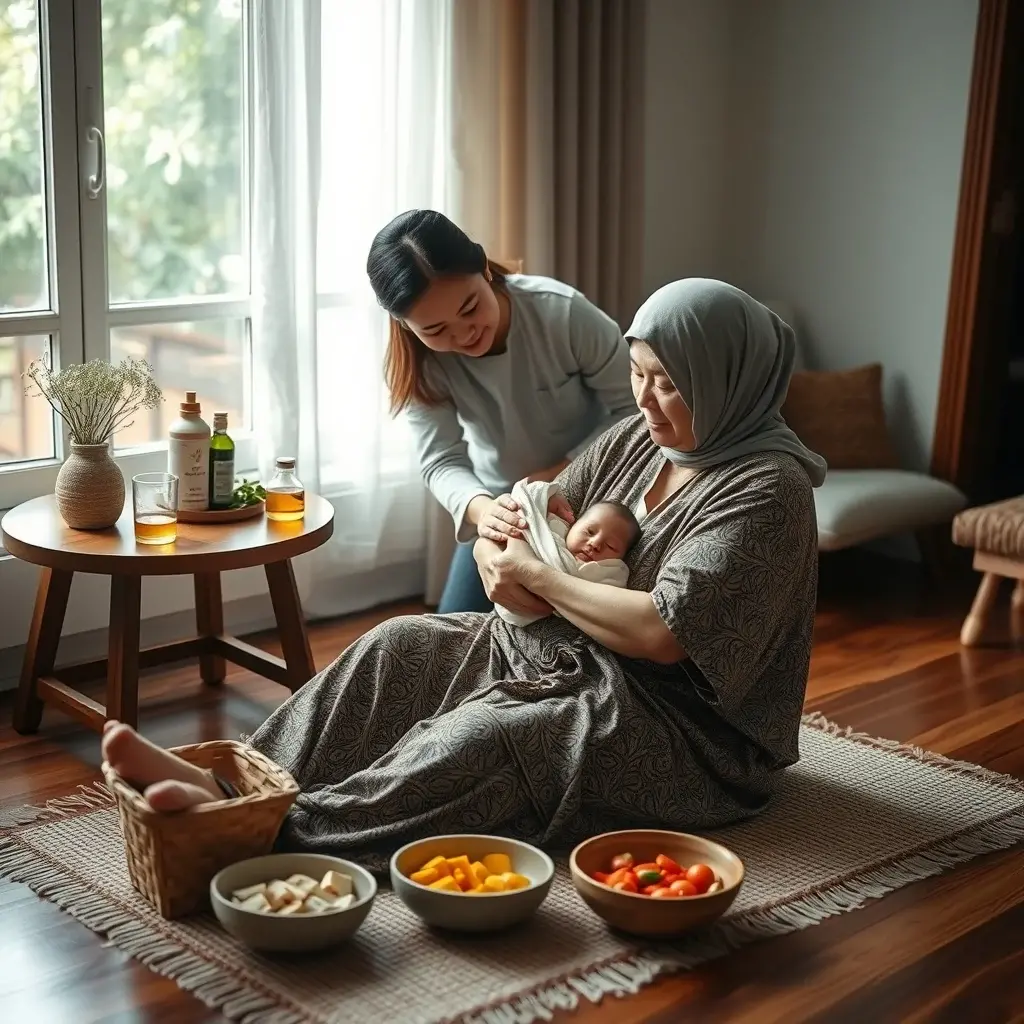
Indonesia has seen a growing emphasis on holistic postpartum recovery, combining modern medical practices with traditional therapies to support new mothers during the critical six-week nifas period. According to data from the Indonesian Ministry of Health, approximately 4.8 million births occur annually, with 60% of mothers experiencing physical or mental health challenges post-delivery, including stretch marks, hair loss, and postpartum depression. The integration of traditional practices such as jamu bersalin, pijat oksitosin, and lulur pascapersalinan with evidence-based care has become a cornerstone of postpartum wellness, particularly in urban centers like Jakarta, Yogyakarta, and Bali. Experts emphasize that proper nutrition, skincare, and mental health support are essential for maternal recovery and infant well-being.
Nutrition and Dietary Needs During the Nifas Period
The nifas period, which spans 40 days post-delivery, requires tailored nutritional intake to replenish maternal health and support breastfeeding. The Indonesian Pediatric Society recommends a daily caloric increase of 500 kcal for lactating mothers, with a focus on protein, iron, and omega-3 fatty acids. Common dietary staples include fish, eggs, tempeh, and leafy greens, while traditional herbal drinks like jamu kunyit asam are consumed to boost immunity and lactation.
Dr. Siti Fatimah, a nutritionist at Cipto Mangunkusumo Hospital in Jakarta, states, “A balanced diet during the nifas period is critical for preventing anemia and ensuring adequate milk production. Mothers should prioritize iron-rich foods and stay hydrated to support physical recovery.” A 2022 study published in the Journal of Maternal and Child Health found that 70% of postpartum women in Indonesia who adhered to a nutrient-dense diet reported faster physical recovery and improved energy levels.
Traditional Herbal Remedies and Their Scientific Basis
Jamu bersalin, a traditional herbal remedy, has been used for centuries in Indonesia to aid postpartum recovery. Ingredients such as turmeric, ginger, and tamarind are believed to reduce inflammation, improve digestion, and enhance blood circulation. A 2021 study by the Indonesian Institute of Sciences (LIPI) confirmed that curcumin, the active compound in turmeric, possesses anti-inflammatory properties that may accelerate wound healing.
However, experts caution against unregulated consumption. “While jamu can be beneficial, it is essential to consult healthcare providers to avoid potential interactions with medications or adverse effects,” warns Dr. Dewi Sartika, an obstetrician at Dr. Sardjito Hospital in Yogyakarta. The Ministry of Health has issued guidelines for safe jamu consumption, recommending standardized formulations to ensure quality and efficacy.
Skincare and Physical Recovery Post-Delivery
Postpartum skincare focuses on addressing common concerns such as stretch marks, hyperpigmentation, and hair loss. Stretch marks affect up to 90% of women post-pregnancy, with genetic predisposition and rapid weight changes being primary contributors. Dermatologists recommend the use of moisturizers containing hyaluronic acid, vitamin E, and centella asiatica to improve skin elasticity.
For breastfeeding mothers, skincare products must be carefully selected to avoid harmful ingredients like retinoids and salicylic acid. “Lanolin-based creams and hypoallergenic formulations are safest for nursing mothers,” advises Dr. Ratna Sari, a dermatologist at Siloam Hospitals. Traditional lulur treatments, which involve exfoliating the skin with turmeric and rice flour, are also popular for restoring skin texture and reducing pigmentation.
Postpartum Exercise and Pelvic Floor Rehabilitation
Physical recovery post-delivery includes gentle exercises to strengthen the pelvic floor and abdominal muscles. Senam Kegel, a series of pelvic floor exercises, is widely recommended to prevent urinary incontinence and improve core stability. A 2023 study by the Indonesian Obstetrics and Gynecology Association found that women who practiced Kegel exercises daily experienced a 40% reduction in pelvic floor dysfunction symptoms within three months.
For mothers who underwent cesarean sections, recovery protocols emphasize gradual movement and scar care. “Post-cesarean mothers should avoid strenuous activities for at least six weeks and focus on gentle walks to promote circulation,” notes Dr. Lina Wati, a physiotherapist at RSIA Bunda Jakarta. The use of postpartum corsets or gurita is debated, with some experts advocating for their role in providing abdominal support, while others caution against prolonged use due to potential muscle weakening.
Mental Health and Self-Care for New Mothers
Postpartum mental health is a critical yet often overlooked aspect of recovery. The World Health Organization reports that 10-15% of women in Southeast Asia experience postpartum depression, with risk factors including hormonal changes, sleep deprivation, and lack of social support. In Indonesia, cultural practices such as “pantang larang” (postpartum confinement) provide structured support but may also contribute to isolation if not balanced with modern mental health care.
“Mothers should prioritize self-care routines, including adequate rest, hydration, and emotional support from family and healthcare providers,” emphasizes psychologist Dr. Rini Handayani. Community-based programs, such as those offered by the Indonesian Mental Health Association, provide counseling and peer support groups to address postpartum anxiety and depression.
As Indonesia continues to blend traditional and modern postpartum care, the focus remains on evidence-based practices that prioritize maternal well-being. The integration of nutrition, skincare, physical therapy, and mental health support ensures that new mothers receive comprehensive care during this transformative period. With ongoing research and public health initiatives, the goal is to reduce postpartum complications and enhance the quality of life for mothers and their infants across the archipelago.
You may also like
-
Complete Guide to Choosing the Best Sunscreen for Your Skin Type
-
Bare Minimum Beauty: Simplify Your Routine Without Sacrificing Glow
-
2024 Pediatric Skin Care Alert: How to Safeguard Newborns from Common Dermatological Risks Using Clinically Validated Methods
-
Bare Minimum Beauty 2024: Indonesia’s Top Dupe Makeup and Skincare Picks That Deliver High-End Results at Budget Prices—Expert-Backed Affordable Alternatives for Every Routine
-
Indonesia’s Traditional Herbal Skincare: The Proven Benefits of Lulur, Jamu, and Organic Remedies in Modern Dermatological Practices