
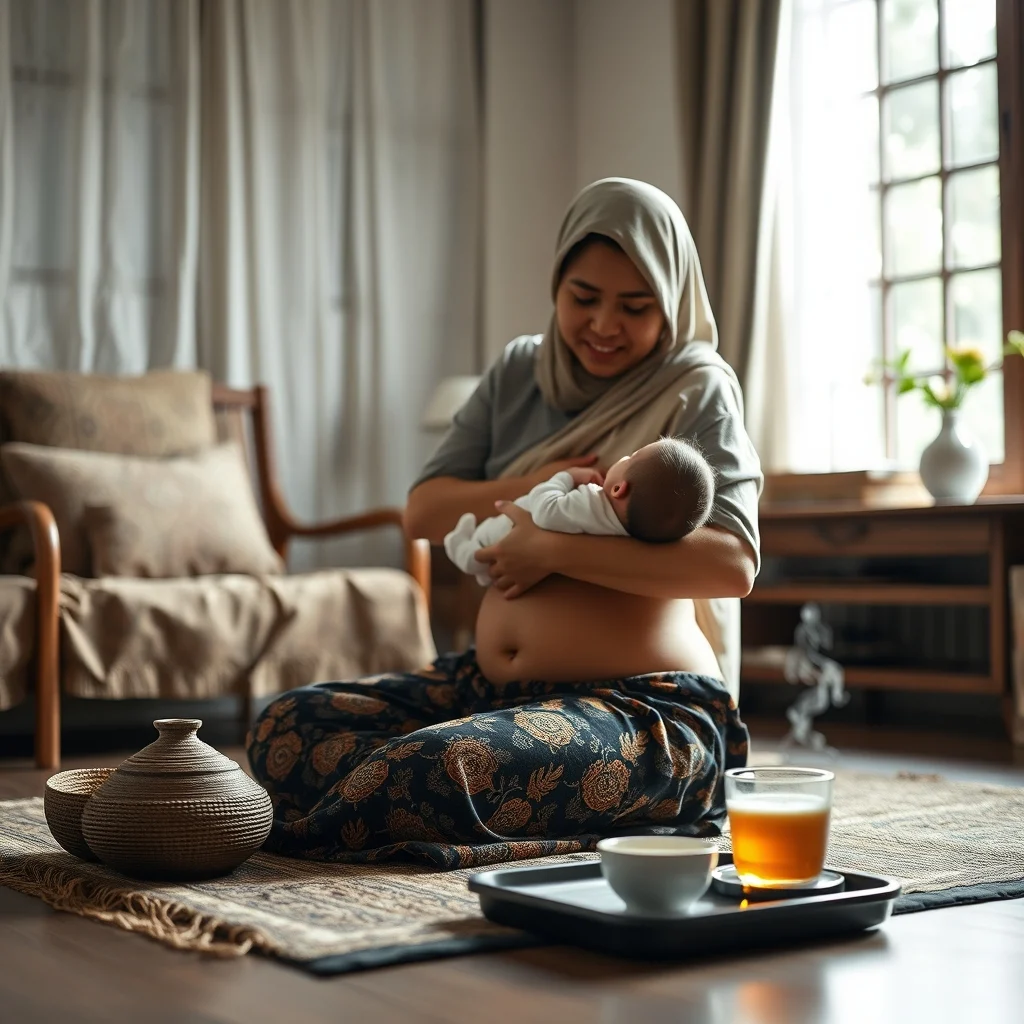
Indonesia has seen a growing emphasis on comprehensive postpartum care, combining traditional practices with modern medical approaches to support new mothers during the critical recovery period after childbirth. According to data from the Indonesian Ministry of Health, approximately 5 million women give birth annually, with nearly 60% experiencing postpartum complications ranging from physical exhaustion to mental health challenges. The first 40 days, known as the nifas period, are considered pivotal for recovery, during which mothers receive specialized care to restore physical strength, emotional well-being, and overall health. This article explores the multifaceted approaches to postpartum recovery in Indonesia, highlighting the integration of time-honored traditions and evidence-based medical interventions.
The Critical First 40 Days: Understanding the Nifas Period
The nifas period, spanning 40 days post-delivery, is a cornerstone of postpartum care in Indonesian culture. During this time, mothers are encouraged to rest, recover, and bond with their newborns while adhering to specific dietary and hygiene practices. A 2022 study published in the Journal of Maternal and Child Health found that 78% of Indonesian women observe nifas traditions, which include consuming nutrient-rich foods, avoiding strenuous activities, and undergoing traditional therapies. The period is also marked by the practice of pantang, or postpartum confinement, where mothers limit exposure to external elements to prevent illness and promote healing.
Dr. Siti Nurul Azkiyah, an obstetrician at Cipto Mangunkusumo Hospital in Jakarta, explains, “The nifas period is not just about physical recovery but also about emotional and spiritual renewal. Many women in Indonesia follow a structured routine that includes herbal remedies, massages, and dietary restrictions to support their bodies’ natural healing processes.” The World Health Organization (WHO) recommends exclusive breastfeeding during this period, which aligns with traditional Indonesian practices that emphasize the importance of mother-infant bonding and nutrition.
Traditional Postpartum Therapies: Herbal Remedies and Massages
Traditional Indonesian postpartum care often incorporates herbal remedies and massages to accelerate recovery. One of the most widely used treatments is jamu bersalin, a blend of natural ingredients such as turmeric, ginger, and lemongrass, believed to cleanse the uterus and boost energy levels. A survey conducted by the Indonesian Traditional Medicine Association in 2023 revealed that 65% of postpartum women in rural areas consume jamu daily during the nifas period. These herbal concoctions are often prepared by family members or local midwives, following recipes passed down through generations.
Another integral practice is the pijat oksitosin, or oxytocin massage, which involves gentle abdominal massages to stimulate uterine contractions and reduce postpartum bleeding. Midwives in Java and Bali, such as those trained at the Primaya Hospital network, often perform these massages using coconut oil or traditional balms. Research published in the Asian Journal of Complementary and Alternative Medicine in 2021 found that women who received regular oxytocin massages reported a 30% faster reduction in postpartum bleeding compared to those who did not.
Skincare and Stretch Mark Management for Nursing Mothers
Postpartum skincare, particularly for nursing mothers, is a growing concern in Indonesia, with many women seeking safe and effective solutions for stretch marks and skin elasticity. The Indonesian Food and Drug Authority (BPOM) has approved several stretch mark creams containing ingredients like centella asiatica and vitamin E, which are deemed safe for breastfeeding mothers. A 2023 report by BPOM indicated that sales of postpartum skincare products increased by 25% over the past two years, reflecting heightened awareness of self-care among new mothers.
Dr. Lina Fitriani, a dermatologist at Siloam Hospitals, advises, “Nursing mothers should opt for hypoallergenic and fragrance-free products to minimize the risk of skin irritation or allergic reactions. Natural remedies like coconut oil and aloe vera can also be effective in reducing stretch marks when applied consistently.” Additionally, traditional lulur treatments, which involve exfoliating the skin with a paste made from rice flour, turmeric, and sandalwood, are popular among postpartum women in Bali and Java for improving skin texture and tone.
Physical Recovery: Kegel Exercises and Postpartum Corsets
Physical recovery after childbirth often includes targeted exercises and supportive garments to restore muscle strength and pelvic floor health. Senam Kegel, or Kegel exercises, are widely recommended by Indonesian obstetricians to strengthen the pelvic muscles, which can weaken during pregnancy and childbirth. A 2022 study by the Indonesian Obstetrics and Gynecology Association found that women who practiced Kegel exercises for at least 10 minutes daily experienced a 40% faster recovery of pelvic floor function compared to those who did not.
Postpartum corsets, known as gurita, are another common tool used by Indonesian women to support abdominal muscles and improve posture. These corsets, typically made from breathable cotton or elastic materials, are worn for several weeks after delivery to aid in the recovery of stretched abdominal muscles. However, experts caution against wearing them too tightly or for prolonged periods, as this can impede circulation and delay healing. The Indonesian Ministry of Health recommends wearing gurita for no more than 8 hours a day and only after consulting a healthcare provider.
Nutrition and Mental Health: Holistic Approaches to Postpartum Well-Being
Nutrition plays a crucial role in postpartum recovery, with Indonesian mothers often consuming a diet rich in protein, iron, and vitamins to replenish nutrient stores depleted during pregnancy and childbirth. The Indonesian Pediatric Society recommends a daily intake of 2,500 calories for breastfeeding mothers, with an emphasis on foods like fish, eggs, leafy greens, and tempeh. Traditional dishes such as sayur bening (clear vegetable soup) and ikan bakar (grilled fish) are commonly prepared for postpartum women to support lactation and energy levels.
Mental health is another critical aspect of postpartum care, with studies showing that up to 20% of Indonesian mothers experience postpartum depression (PPD). The Indonesian Psychiatric Association has launched initiatives to raise awareness about PPD, including screening programs at community health centers (puskesmas) across the country. Dr. Rini Sekartini, a psychiatrist at the University of Indonesia, states, “Postpartum mental health is often overlooked in favor of physical recovery, but it is equally important. Early intervention, including counseling and support groups, can significantly improve outcomes for mothers and their babies.”
As postpartum care in Indonesia continues to evolve, the integration of traditional practices and modern medical advancements offers a holistic approach to supporting new mothers. By prioritizing physical recovery, mental well-being, and cultural traditions, Indonesian women are better equipped to navigate the challenges of the postpartum period and embrace the joys of motherhood with confidence and resilience.
You may also like
-
Complete Guide to Choosing the Best Sunscreen for Your Skin Type
-
Bare Minimum Beauty: Simplify Your Routine Without Sacrificing Glow
-
2024 Pediatric Skin Care Alert: How to Safeguard Newborns from Common Dermatological Risks Using Clinically Validated Methods
-
Bare Minimum Beauty 2024: Indonesia’s Top Dupe Makeup and Skincare Picks That Deliver High-End Results at Budget Prices,Expert-Backed Affordable Alternatives for Every Routine
-
Indonesia’s Traditional Herbal Skincare: The Proven Benefits of Lulur, Jamu, and Organic Remedies in Modern Dermatological Practices