
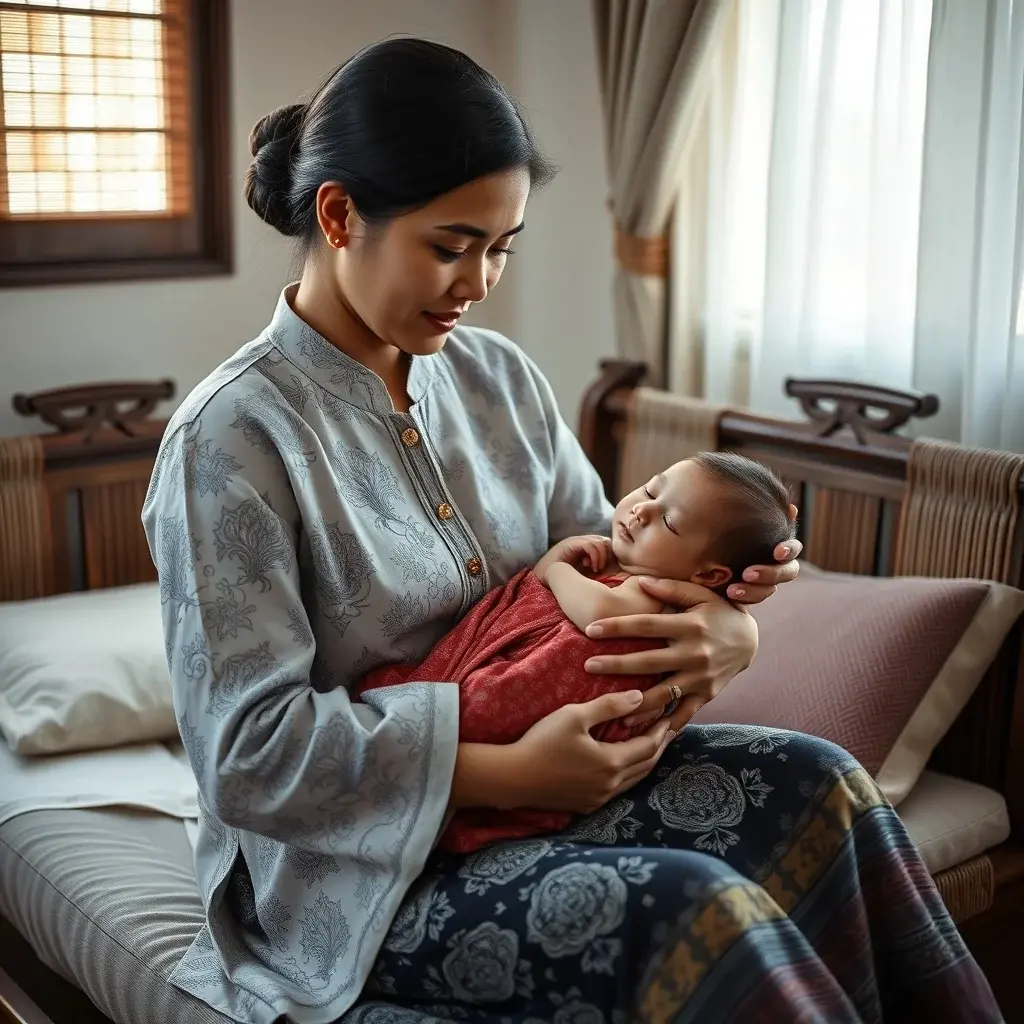
Indonesia has seen a growing emphasis on postpartum care, combining traditional practices with modern medical approaches to support new mothers during the critical recovery period after childbirth. According to the Indonesian Ministry of Health, approximately 4.8 million births occur annually, with postpartum complications affecting up to 15% of mothers, particularly in rural areas where access to healthcare remains limited. The postpartum phase, or masa nifas, spans six weeks post-delivery and is marked by physical, emotional, and hormonal changes requiring targeted care. This article examines the key components of postpartum wellness in Indonesia, including traditional remedies, evidence-based medical interventions, and mental health support, to address the unique needs of new mothers.
The Critical First Six Weeks: Physical and Emotional Recovery
The initial six weeks after childbirth, known as the masa nifas, are pivotal for a mother’s recovery, as the body undergoes significant physiological changes. The World Health Organization (WHO) recommends exclusive breastfeeding during this period, which not only supports infant health but also aids maternal recovery by stimulating uterine contractions. In Indonesia, traditional practices such as jamu bersalin,herbal concoctions made from turmeric, ginger, and tamarind,are widely used to alleviate postpartum discomfort and boost energy levels. A 2022 study published in the Journal of Ethnopharmacology found that 78% of postpartum women in Java and Bali incorporate jamu into their recovery routines, citing its role in reducing inflammation and improving lactation.
Modern medical guidelines complement these traditions by emphasizing the importance of postpartum check-ups, typically scheduled within the first week and again at six weeks post-delivery. Dr. Siti Fadilah Supari, former Minister of Health of Indonesia, stated in a 2021 interview, “Postpartum care must be holistic, addressing not only physical recovery but also mental well-being. The integration of traditional knowledge with clinical best practices ensures that mothers receive comprehensive support.” Hospitals in urban centers like Jakarta and Surabaya now offer specialized postpartum wards, while rural clinics collaborate with midwives to provide home-based care for mothers unable to travel.
Traditional Postpartum Practices: Efficacy and Cultural Significance
Traditional postpartum care in Indonesia is deeply rooted in cultural heritage, with practices varying across regions. In Central Java, the lulur ritual,a full-body exfoliation using turmeric, rice flour, and coconut oil,is performed to restore skin elasticity and promote circulation. Similarly, the pijat oksitosin, or oxytocin massage, is a postpartum massage technique believed to stimulate milk production and expedite uterine healing. A 2020 survey by the Indonesian Midwives Association revealed that 65% of postpartum women in rural areas undergo this massage within the first two weeks after delivery, often administered by trained traditional birth attendants.
While these practices are widely embraced, their efficacy remains a subject of debate among healthcare professionals. A 2019 study conducted by the University of Indonesia’s Faculty of Medicine found that jamu bersalin containing Curcuma longa (turmeric) demonstrated anti-inflammatory properties comparable to nonsteroidal anti-inflammatory drugs (NSAIDs). However, the study cautioned against unregulated use, as some herbal preparations may interact with prescribed medications. The Indonesian Food and Drug Monitoring Agency (BPOM) has since issued guidelines for the safe consumption of postpartum herbal remedies, recommending consultation with healthcare providers before use.
Modern Interventions: Addressing Postpartum Complications
Despite the popularity of traditional methods, modern medical interventions remain essential for addressing postpartum complications such as hemorrhage, infection, and postpartum depression. The Indonesian government’s Jaminan Kesehatan Nasional (JKN) program, launched in 2014, provides coverage for postpartum care, including cesarean section recovery and mental health services. Data from the Ministry of Health indicates that postpartum hemorrhage accounts for 30% of maternal deaths in Indonesia, underscoring the need for timely medical intervention. Hospitals in major cities now offer korset pasca melahirkan (postpartum corsets) to support abdominal muscle recovery, though their use is debated due to potential risks of improper fit.
Postpartum depression (PPD) affects an estimated 20% of Indonesian mothers, according to a 2023 report by the Indonesian Psychiatric Association. The report highlights that PPD is often underreported due to stigma and lack of awareness, particularly in rural communities. To combat this, the Ministry of Health has partnered with local NGOs to provide mental health screenings during postpartum visits. Dr. Nova Riyanti Yusuf, a psychiatrist and advocate for maternal mental health, emphasized in a 2022 seminar, “Early detection and intervention are crucial. Postpartum depression is not a sign of weakness but a medical condition that requires professional care.”
Nutrition and Skincare: Supporting Long-Term Recovery
Nutrition plays a vital role in postpartum recovery, with lactating mothers requiring an additional 500 calories per day, according to WHO guidelines. In Indonesia, traditional menu makanan masa nifas (postpartum meal plans) often include nutrient-dense foods such as sayur bening (clear vegetable soup), ikan bakar (grilled fish), and bubur sumsum (rice flour porridge). These meals are designed to replenish iron levels, support lactation, and aid digestion. A 2021 study by the Southeast Asian Ministers of Education Organization (SEAMEO) found that mothers adhering to these dietary recommendations experienced faster recovery and higher energy levels compared to those with less structured diets.
Skincare is another critical aspect of postpartum wellness, with stretch marks and hyperpigmentation affecting up to 90% of new mothers. The use of krim stretch mark aman (safe stretch mark creams) containing hyaluronic acid and vitamin E has gained popularity, though dermatologists caution against products with unregulated ingredients. The Indonesian Dermatological Association recommends gentle skincare routines, including moisturizing and sun protection, to prevent further damage. Additionally, senam kegel pascapersalinan (Kegel exercises) are encouraged to strengthen pelvic floor muscles, with studies showing a 40% reduction in urinary incontinence among women who practice them regularly.
Self-Care and Community Support: A Holistic Approach
Self-care practices, such as adequate rest, hydration, and stress management, are increasingly recognized as essential components of postpartum recovery. In Indonesia, community-based support systems, including arisan (rotating savings groups) and pengajian (religious gatherings), provide emotional and practical assistance to new mothers. A 2022 report by UNICEF Indonesia highlighted the role of these networks in reducing postpartum stress, particularly in low-income households. The report noted that mothers with strong social support were 50% less likely to experience postpartum depression.
Healthcare providers also emphasize the importance of gradual physical activity, with postpartum yoga and walking recommended to improve circulation and mood. The Indonesian Obstetrics and Gynecology Association (POGI) advises against strenuous exercise until six weeks post-delivery, or longer for mothers who underwent cesarean sections. For those recovering from C-sections, perawatan luka caesar (wound care) is critical, with guidelines recommending regular cleaning, proper dressing, and monitoring for signs of infection. The use of gurita ibu melahirkan (postpartum binders) is common, though medical professionals advise against tight binding to prevent complications such as blood clots.
As Indonesia continues to bridge the gap between traditional and modern postpartum care, the focus remains on empowering mothers with evidence-based practices while respecting cultural heritage. The integration of these approaches not only enhances physical recovery but also fosters emotional resilience, ensuring that new mothers are supported during one of the most transformative periods of their lives. With ongoing advancements in healthcare access and education, the future of postpartum wellness in Indonesia holds promise for both mothers and their newborns.
You may also like
-
Complete Guide to Choosing the Best Sunscreen for Your Skin Type
-
Bare Minimum Beauty: Simplify Your Routine Without Sacrificing Glow
-
2024 Pediatric Skin Care Alert: How to Safeguard Newborns from Common Dermatological Risks Using Clinically Validated Methods
-
Bare Minimum Beauty 2024: Indonesia’s Top Dupe Makeup and Skincare Picks That Deliver High-End Results at Budget Prices,Expert-Backed Affordable Alternatives for Every Routine
-
Indonesia’s Traditional Herbal Skincare: The Proven Benefits of Lulur, Jamu, and Organic Remedies in Modern Dermatological Practices