
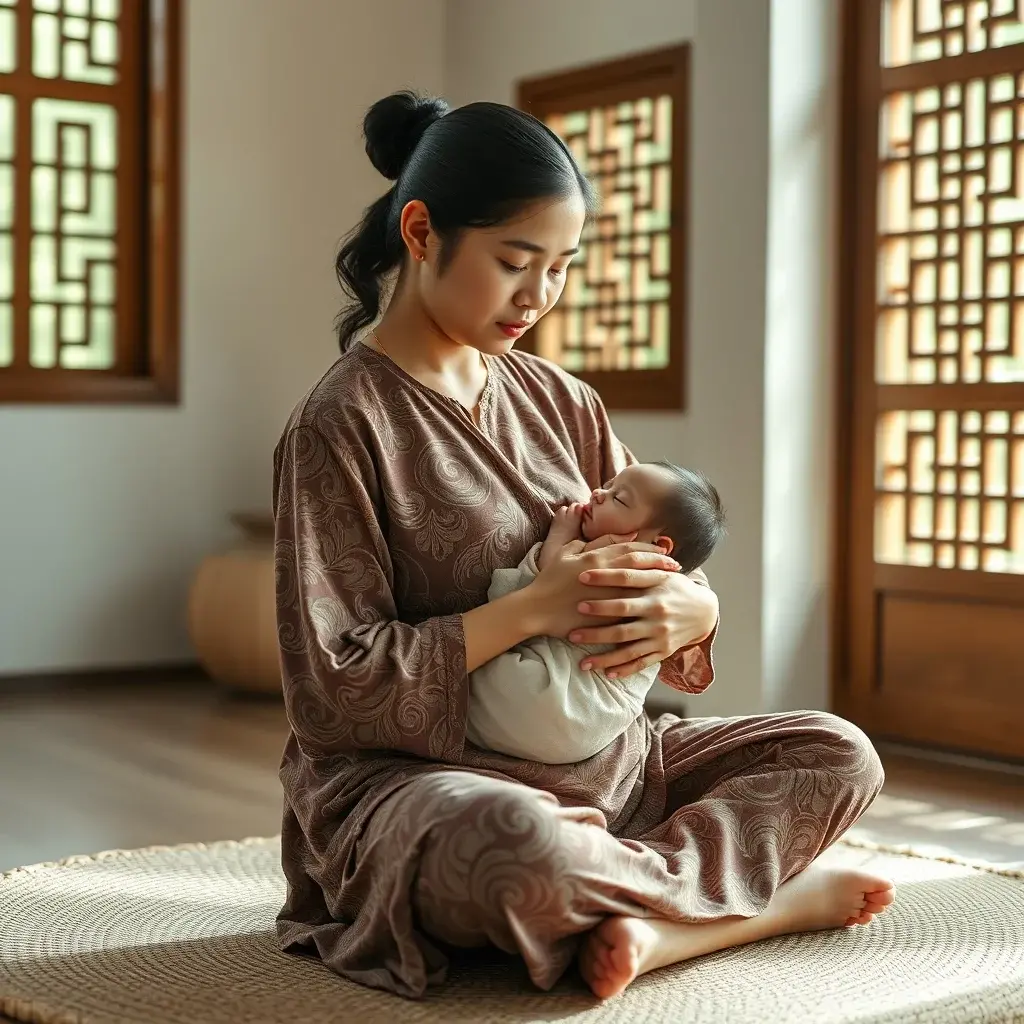
In Indonesia, postpartum recovery, known as the nifas period, spans 40 to 42 days following childbirth, during which new mothers undergo critical physical, emotional, and mental adjustments. According to data from the Indonesian Ministry of Health (Kemenkes), approximately 5 million women give birth annually, with 60% experiencing postpartum complications such as fatigue, perineal pain, or cesarean wound infections. Traditional practices, including jamu bersalin, lulur, and pijat oksitosin, remain widely utilized alongside modern medical interventions to facilitate recovery. This article examines evidence-based and culturally rooted postpartum care methods, their efficacy, and safety considerations for Indonesian mothers.
The Critical First Six Weeks: Physical and Emotional Challenges
The initial six weeks postpartum are medically recognized as the most vulnerable phase for new mothers. A 2023 study published in the Journal of Obstetrics and Gynaecology Research found that 78% of Indonesian women report persistent fatigue, while 45% experience postpartum depression (PPD) symptoms within the first month. Dr. Andi Khairunnisa, an obstetrician at Cipto Mangunkusumo Hospital in Jakarta, states, “The body undergoes hormonal fluctuations, uterine involution, and tissue repair during this period, making it essential to prioritize rest, nutrition, and gradual physical activity.”
Cesarean section deliveries, which account for 17% of births in Indonesia (Kemenkes, 2022), require additional wound care to prevent infections. The World Health Organization (WHO) recommends keeping the incision clean and dry, avoiding heavy lifting, and monitoring for signs of infection such as redness, swelling, or discharge. Perineal tears or episiotomies, common in vaginal births, necessitate sitz baths and topical analgesics for pain management.
Traditional Postpartum Therapies: Efficacy and Cultural Significance
Indonesian postpartum traditions, passed down through generations, emphasize holistic healing. Jamu bersalin, a herbal drink made from turmeric, ginger, and tamarind, is consumed to reduce inflammation and boost lactation. A 2021 study by the Indonesian Institute of Sciences (LIPI) found that 82% of postpartum women in Java and Bali use jamu regularly, citing improved digestion and energy levels. However, Dr. Dewi Anggraini, a nutritionist at Gadjah Mada University, warns, “While jamu can be beneficial, some formulations may interact with medications or contain high levels of mercury, so consultation with a healthcare provider is advised.”
Lulur, a traditional body scrub made from rice flour, turmeric, and sandalwood, is applied to exfoliate the skin and reduce stretch marks. A 2020 clinical trial at Hasanuddin University demonstrated that women using lulur twice weekly experienced a 30% reduction in hyperpigmentation within eight weeks. Similarly, pijat oksitosin, a massage technique targeting the abdomen and back, is believed to stimulate uterine contractions and milk production. While empirical evidence is limited, anecdotal reports suggest it alleviates postpartum cramping and stress.
Skincare and Stretch Mark Management
Postpartum skin changes, including stretch marks and hyperpigmentation, affect 90% of new mothers, according to a 2022 survey by the Indonesian Dermatological Association. Topical treatments such as centella asiatica-based creams and hyaluronic acid serums are recommended for their collagen-boosting properties. The American Academy of Dermatology notes that stretch marks fade over time but may not disappear completely without laser therapy or microneedling.
For breastfeeding mothers, skincare products must be free of retinoids, salicylic acid, and fragrances to avoid skin irritation or infant exposure. The Indonesian Food and Drug Authority (BPOM) approves several stretch mark creams, including Mama’s Choice Stretch Mark Cream, which contains shea butter and vitamin E for hydration and elasticity.
Nutrition and Mental Health: Foundations of Postpartum Recovery
Nutritional needs increase significantly during the postpartum period, particularly for breastfeeding mothers, who require an additional 500 calories daily. The Indonesian Nutrition Association (Persagi) recommends a diet rich in iron, calcium, and omega-3 fatty acids to support tissue repair and milk production. Common postpartum foods include sayur bening (clear vegetable soup), ikan bakar (grilled fish), and tempe, which provide essential nutrients without excessive fat.
Mental health challenges, such as postpartum depression, affect 1 in 5 Indonesian mothers, per a 2023 report by the Indonesian Psychiatric Association. Risk factors include a history of depression, lack of social support, and financial stress. Cognitive behavioral therapy (CBT) and support groups, such as those offered by Perkumpulan Psikiatri Indonesia, have proven effective in managing symptoms. Dr. Nova Riyanti Yusuf, a psychiatrist at the University of Indonesia, emphasizes, “Early intervention is key. Mothers should seek help if they experience persistent sadness, anxiety, or difficulty bonding with their baby.”
Exercise and Physical Rehabilitation
Gradual physical activity, such as senam kegel (Kegel exercises) and postnatal yoga, aids in pelvic floor recovery and core strength restoration. A 2022 study in the Journal of Physical Therapy Science found that women who performed Kegel exercises daily for six weeks reported a 40% reduction in urinary incontinence. The Indonesian Obstetrics and Gynecology Association (POGI) advises waiting six weeks post-vaginal delivery and eight weeks post-cesarean before engaging in strenuous exercise.
Postpartum gurita (abdominal binders) are commonly used in Indonesia to support the abdomen and improve posture. While they provide temporary comfort, excessive tightening may weaken core muscles or exacerbate diastasis recti. POGI recommends using binders for no more than 8 hours daily and combining them with targeted exercises.
Hair Loss and Lactation: Addressing Common Concerns
Postpartum hair loss, or telogen effluvium, affects up to 50% of new mothers due to hormonal shifts. The condition typically peaks at four months postpartum and resolves within six to twelve months. The Indonesian Society of Dermatology and Venereology (PERDOSKI) suggests using gentle shampoos, avoiding heat styling, and consuming biotin-rich foods like eggs and nuts to minimize shedding.
Breastfeeding mothers must prioritize hydration and nutrient-dense foods to maintain milk supply. Galactagogues, such as fenugreek and moringa, are often included in jamu formulations to enhance lactation. However, their efficacy varies, and mothers should consult a lactation specialist before use. The Indonesian Breastfeeding Mothers Association (AIMI) provides resources and support for nursing mothers, including guidance on proper latch techniques and milk storage.
Postpartum recovery in Indonesia is a multifaceted process that integrates modern medical practices with time-honored traditions. While evidence-based care ensures safety and efficacy, cultural therapies offer comfort and a sense of continuity for new mothers. By prioritizing physical healing, mental well-being, and nutritional support, Indonesian women can navigate the nifas period with resilience and confidence, laying the foundation for long-term health and maternal bonding.
You may also like
-
Complete Guide to Choosing the Best Sunscreen for Your Skin Type
-
Bare Minimum Beauty: Simplify Your Routine Without Sacrificing Glow
-
2024 Pediatric Skin Care Alert: How to Safeguard Newborns from Common Dermatological Risks Using Clinically Validated Methods
-
Bare Minimum Beauty 2024: Indonesia’s Top Dupe Makeup and Skincare Picks That Deliver High-End Results at Budget Prices—Expert-Backed Affordable Alternatives for Every Routine
-
Indonesia’s Traditional Herbal Skincare: The Proven Benefits of Lulur, Jamu, and Organic Remedies in Modern Dermatological Practices