
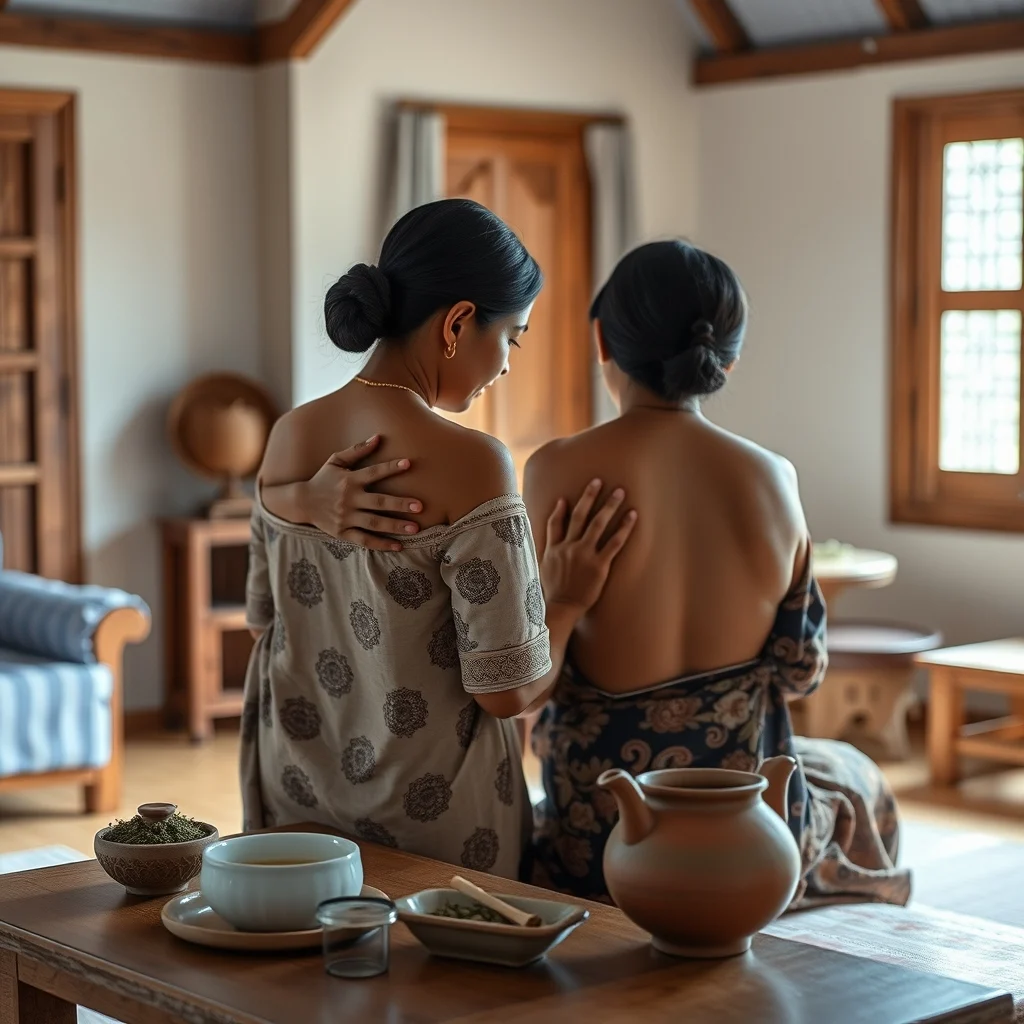
Indonesia has seen a growing emphasis on comprehensive postpartum care, integrating modern medical practices with traditional therapies to support new mothers during the critical recovery period after childbirth. According to data from the Indonesian Ministry of Health, approximately 5 million women give birth annually, with nearly 60% requiring specialized postpartum care due to physical, mental, or nutritional challenges. The postpartum period, or nifas, spans six weeks post-delivery, during which mothers undergo significant physiological and psychological changes. This article examines evidence-based recovery strategies, traditional therapies, and expert recommendations to address the multifaceted needs of postpartum women in Indonesia.
Physical Recovery After Childbirth: Medical and Traditional Approaches
The physical recovery process for new mothers varies depending on the mode of delivery. Women who undergo cesarean sections (C-sections) face a longer recovery timeline, typically requiring 6 to 8 weeks for full healing, while those who deliver vaginally may recover within 4 to 6 weeks. The Indonesian Obstetrics and Gynecology Association (POGI) reports that C-section rates in Indonesia reached 17.6% in 2022, up from 14.3% in 2017, highlighting the need for tailored postpartum care.
For C-section recovery, proper wound care is essential to prevent infections. Dr. Andi Darma Putra, an obstetrician at Cipto Mangunkusumo Hospital in Jakarta, states, “Post-C-section mothers should keep the incision clean and dry, avoid lifting heavy objects, and monitor for signs of infection such as redness, swelling, or discharge.” The hospital recommends using sterile gauze and antiseptic solutions for wound cleaning, with follow-up visits scheduled within the first two weeks post-delivery.
Traditional therapies, such as jamu bersalin (postpartum herbal drinks) and lulur (herbal body scrubs), remain widely used in Indonesia. A 2021 study published in the Journal of Ethnopharmacology found that 78% of postpartum women in Java and Bali incorporate jamu into their recovery routines. Common ingredients include turmeric, ginger, and temu lawak (Javanese turmeric), which are believed to reduce inflammation and boost lactation. However, experts caution against unregulated herbal consumption, as some ingredients may interact with medications or affect breast milk.
Mental Health and Emotional Well-being: Addressing Postpartum Challenges
Postpartum mental health is a critical yet often overlooked aspect of recovery. The World Health Organization (WHO) estimates that 10-15% of women in developing countries experience postpartum depression (PPD), with Indonesia reporting similar prevalence rates. A 2020 survey by the Indonesian Psychiatric Association revealed that only 30% of women with PPD symptoms seek professional help, citing stigma and lack of awareness as primary barriers.
Dr. Nova Riyanti Yusuf, a psychiatrist at the University of Indonesia, emphasizes, “Early detection and intervention are crucial. Symptoms such as persistent sadness, anxiety, or difficulty bonding with the baby should not be dismissed as normal postpartum experiences.” The Indonesian government has introduced mental health screening programs in primary healthcare centers, with the Posyandu (integrated health posts) playing a key role in community-based support.
Traditional practices like pijat oksitosin (oxytocin massage) are also believed to alleviate stress and improve emotional well-being. A study conducted by the University of Gadjah Mada in 2019 found that 65% of women who received oxytocin massages reported reduced anxiety levels. However, the practice should complement, not replace, evidence-based mental health care.
Nutrition and Skincare: Supporting Postpartum Health
Nutritional needs during the postpartum period are heightened, particularly for breastfeeding mothers. The Indonesian Nutrition Association recommends a daily intake of 2,500 to 2,700 calories, with a focus on protein, iron, and calcium-rich foods. Common nifas menus include sayur bening (clear vegetable soup), ikan bakar (grilled fish), and bubur sumsum (rice flour porridge), which are believed to aid recovery and lactation.
Skincare is another priority, as hormonal changes often lead to stretch marks, hyperpigmentation, and hair loss. A 2022 survey by the Indonesian Dermatological Association found that 82% of postpartum women experience stretch marks, with 45% seeking treatment. Dermatologist Dr. Retno Iswari Tranggono advises, “Using moisturizers containing hyaluronic acid, vitamin E, or centella asiatica can improve skin elasticity and reduce stretch marks.” For breastfeeding mothers, non-comedogenic and fragrance-free products are recommended to avoid skin irritation.
Exercise and Self-Care: Restoring Physical Strength
Gradual reintroduction of physical activity is essential for postpartum recovery. The American College of Obstetricians and Gynecologists (ACOG) recommends starting with gentle exercises, such as walking or senam kegel (Kegel exercises), within the first few weeks post-delivery. A 2021 study in the Journal of Women’s Health Physical Therapy found that Kegel exercises improved pelvic floor strength in 70% of postpartum women within 12 weeks.
Traditional postpartum garments, such as gurita (abdominal binders) and korset pasca melahirkan (postpartum corsets), are commonly used to support abdominal muscles and improve posture. However, POGI warns against excessive tightness, which can impede circulation and delay healing. The organization recommends wearing binders for no more than 8 hours per day and consulting a healthcare provider before use.
Postpartum care in Indonesia reflects a blend of modern medical advancements and time-honored traditions, each addressing the unique needs of new mothers. While evidence-based practices provide a foundation for safe recovery, traditional therapies offer cultural relevance and community support. As awareness grows and healthcare access improves, the integration of these approaches will continue to shape postpartum care, ensuring that mothers receive comprehensive support during this transformative phase.
You may also like
-
Complete Guide to Choosing the Best Sunscreen for Your Skin Type
-
Bare Minimum Beauty: Simplify Your Routine Without Sacrificing Glow
-
2024 Pediatric Skin Care Alert: How to Safeguard Newborns from Common Dermatological Risks Using Clinically Validated Methods
-
Bare Minimum Beauty 2024: Indonesia’s Top Dupe Makeup and Skincare Picks That Deliver High-End Results at Budget Prices—Expert-Backed Affordable Alternatives for Every Routine
-
Indonesia’s Traditional Herbal Skincare: The Proven Benefits of Lulur, Jamu, and Organic Remedies in Modern Dermatological Practices