
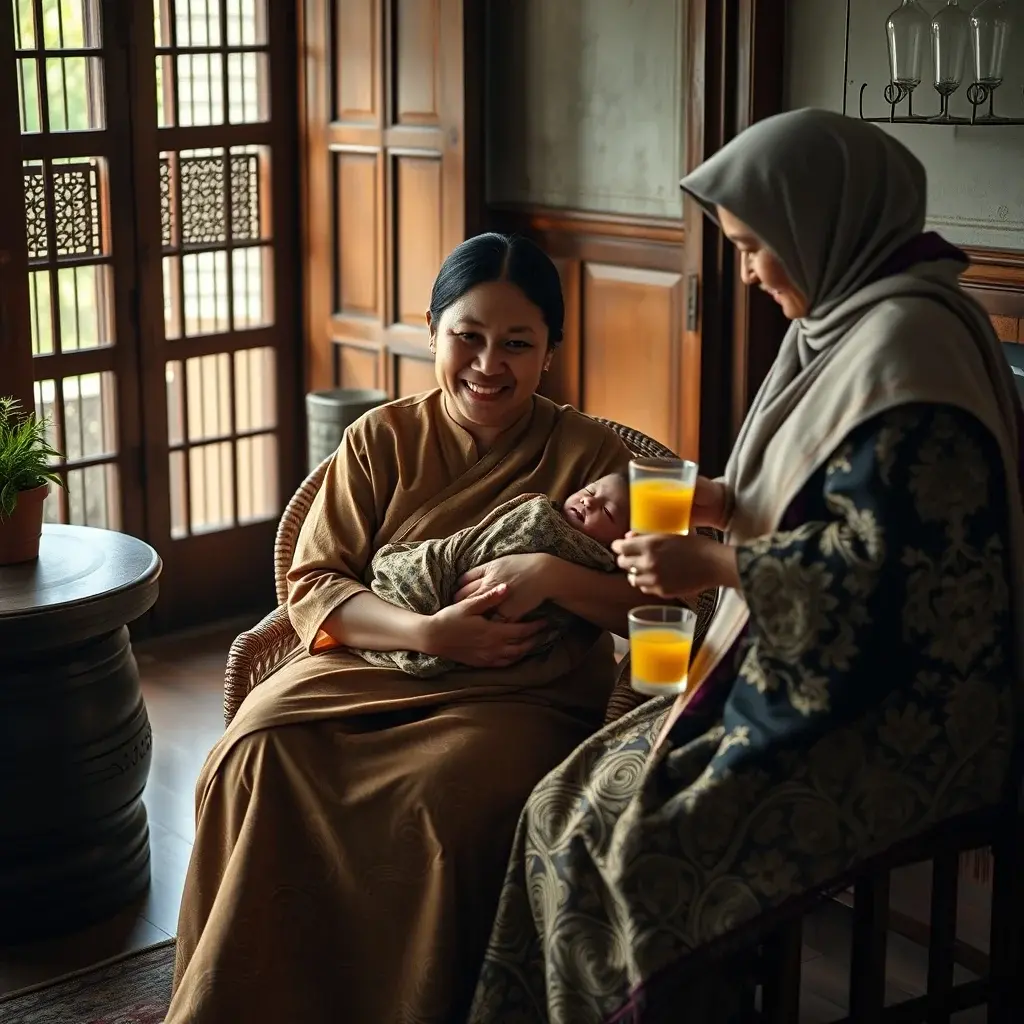
Indonesia has seen a surge in attention toward postpartum care, with a growing emphasis on both traditional and modern practices to support new mothers during the critical recovery period after childbirth. According to the Indonesian Ministry of Health, approximately 5 million women give birth annually, with postpartum complications affecting up to 15% of them. The first six weeks after delivery, known as the postpartum or nifas period, are crucial for physical and mental recovery, yet many women lack access to comprehensive care. This article explores the multifaceted approaches to postpartum recovery in Indonesia, including traditional remedies, medical interventions, and self-care strategies, to address the unique needs of new mothers.
The Critical First Six Weeks: Understanding Postpartum Recovery
The postpartum period, or masa nifas, spans six weeks following childbirth and is a time of significant physiological and emotional changes. During this phase, a woman’s body undergoes healing from delivery, hormonal fluctuations, and adjustments to breastfeeding. The World Health Organization (WHO) recommends exclusive breastfeeding for the first six months, which adds nutritional and physical demands on the mother. In Indonesia, cultural practices often dictate postpartum routines, with many women adhering to traditional confinement periods, or pantang, lasting 40 days.
Dr. Siti Nadia Tarmizi, spokesperson for the Indonesian Ministry of Health, states, “Postpartum care is not just about physical recovery but also about ensuring mental well-being. Depression and anxiety during this period are often overlooked, yet they affect nearly 20% of new mothers in Indonesia.” The ministry has launched initiatives to integrate mental health screenings into postpartum check-ups, particularly in urban areas like Jakarta and Surabaya, where access to healthcare is more readily available.
Traditional Postpartum Care: Jamu, Lulur, and Pijat Oksitosin
Traditional Indonesian postpartum care is deeply rooted in herbal remedies and body treatments. Jamu bersalin, a herbal drink made from turmeric, ginger, and other natural ingredients, is widely consumed to aid recovery and boost lactation. A 2022 study published in the Journal of Ethnopharmacology found that 78% of postpartum women in Java and Bali use jamu regularly, citing its effectiveness in reducing inflammation and improving digestion. The study also noted that jamu consumption is often paired with lulur, a traditional body scrub made from rice flour, turmeric, and coconut oil, to rejuvenate the skin and reduce stretch marks.
Another popular practice is pijat oksitosin, a massage technique believed to stimulate the release of oxytocin, a hormone that aids uterine contraction and milk production. This massage is typically performed by trained dukun bayi (traditional birth attendants) and is common in rural areas such as Central Java and West Sumatra. While scientific evidence on its efficacy is limited, many women report feeling more relaxed and experiencing improved breastfeeding outcomes after the treatment.
Modern Medical Interventions: Addressing Physical and Mental Health
In urban centers, modern medical interventions are increasingly complementing traditional practices. Postpartum check-ups, typically scheduled at one week, two weeks, and six weeks after delivery, focus on monitoring blood pressure, healing of perineal or cesarean wounds, and mental health. The Indonesian Obstetrics and Gynecology Association (POGI) recommends that women who undergo cesarean sections receive specialized care for wound healing, including the use of silicone gels or antibiotic ointments to prevent infections.
Mental health support is also gaining traction, with hospitals like RSAB Harapan Kita in Jakarta offering postpartum depression screening as part of routine care. Dr. Rina Agustina, a psychiatrist at the hospital, explains, “Postpartum depression is often stigmatized, but early intervention can significantly improve outcomes. We use the Edinburgh Postnatal Depression Scale (EPDS) to identify at-risk mothers and provide counseling or medication as needed.” The EPDS is a 10-question screening tool that has been validated for use in Indonesia and is now implemented in over 50% of public hospitals nationwide.
Nutrition and Self-Care: Fueling Recovery and Breastfeeding
Nutrition plays a pivotal role in postpartum recovery, particularly for breastfeeding mothers who require an additional 500 calories per day. The Indonesian Pediatric Society recommends a diet rich in protein, iron, and omega-3 fatty acids to support tissue repair and milk production. Common postpartum foods include sayur bening (clear vegetable soup), ikan bakar (grilled fish), and tempe, a fermented soybean product high in protein and probiotics.
Self-care practices, such as senam kegel (Kegel exercises) and the use of korset pasca melahirkan (postpartum girdles), are also encouraged to strengthen pelvic floor muscles and support abdominal recovery. However, experts caution against over-reliance on girdles, as prolonged use can weaken core muscles. The POGI advises limiting girdle use to six hours per day and combining it with gentle exercise, such as postpartum yoga or walking.
Skincare and Hair Care: Addressing Common Postpartum Concerns
Postpartum skincare focuses on addressing stretch marks, hyperpigmentation, and hair loss, which are common due to hormonal changes. The Indonesian Dermatological Association recommends using moisturizers containing hyaluronic acid, vitamin E, or centella asiatica to improve skin elasticity. For stretch marks, products like krim stretch mark aman (safe stretch mark creams) containing cocoa butter or shea butter are popular, though their effectiveness varies.
Hair loss, or rambut rontok, affects up to 50% of postpartum women and is typically temporary, resolving within six to twelve months. Dermatologists suggest using gentle, sulfate-free shampoos and increasing intake of vitamins B, C, and D to support hair regrowth. In some cases, topical treatments like minoxidil may be prescribed, though breastfeeding mothers are advised to consult a healthcare provider before use.
Cultural and Regional Variations in Postpartum Care
Postpartum care practices in Indonesia vary significantly by region. In Aceh, for example, new mothers follow a 44-day confinement period during which they consume jamu kunyit asam (turmeric and tamarind drink) and avoid cold foods. In contrast, in Papua, postpartum care often involves the use of local herbs like daun sirih (betel leaf) for wound healing and lactation support. These regional differences highlight the diversity of postpartum traditions across the archipelago.
The integration of traditional and modern postpartum care practices reflects Indonesia’s evolving approach to maternal health. While traditional remedies like jamu and pijat oksitosin remain popular, particularly in rural areas, urban centers are increasingly adopting evidence-based medical interventions. This hybrid model aims to provide holistic care that addresses the physical, emotional, and cultural needs of new mothers. As awareness of postpartum health grows, so too does the potential for improved outcomes for women across the country, ensuring that every mother receives the support she needs during this transformative period.
You may also like
-
Complete Guide to Choosing the Best Sunscreen for Your Skin Type
-
Bare Minimum Beauty: Simplify Your Routine Without Sacrificing Glow
-
2024 Pediatric Skin Care Alert: How to Safeguard Newborns from Common Dermatological Risks Using Clinically Validated Methods
-
Bare Minimum Beauty 2024: Indonesia’s Top Dupe Makeup and Skincare Picks That Deliver High-End Results at Budget Prices,Expert-Backed Affordable Alternatives for Every Routine
-
Indonesia’s Traditional Herbal Skincare: The Proven Benefits of Lulur, Jamu, and Organic Remedies in Modern Dermatological Practices