
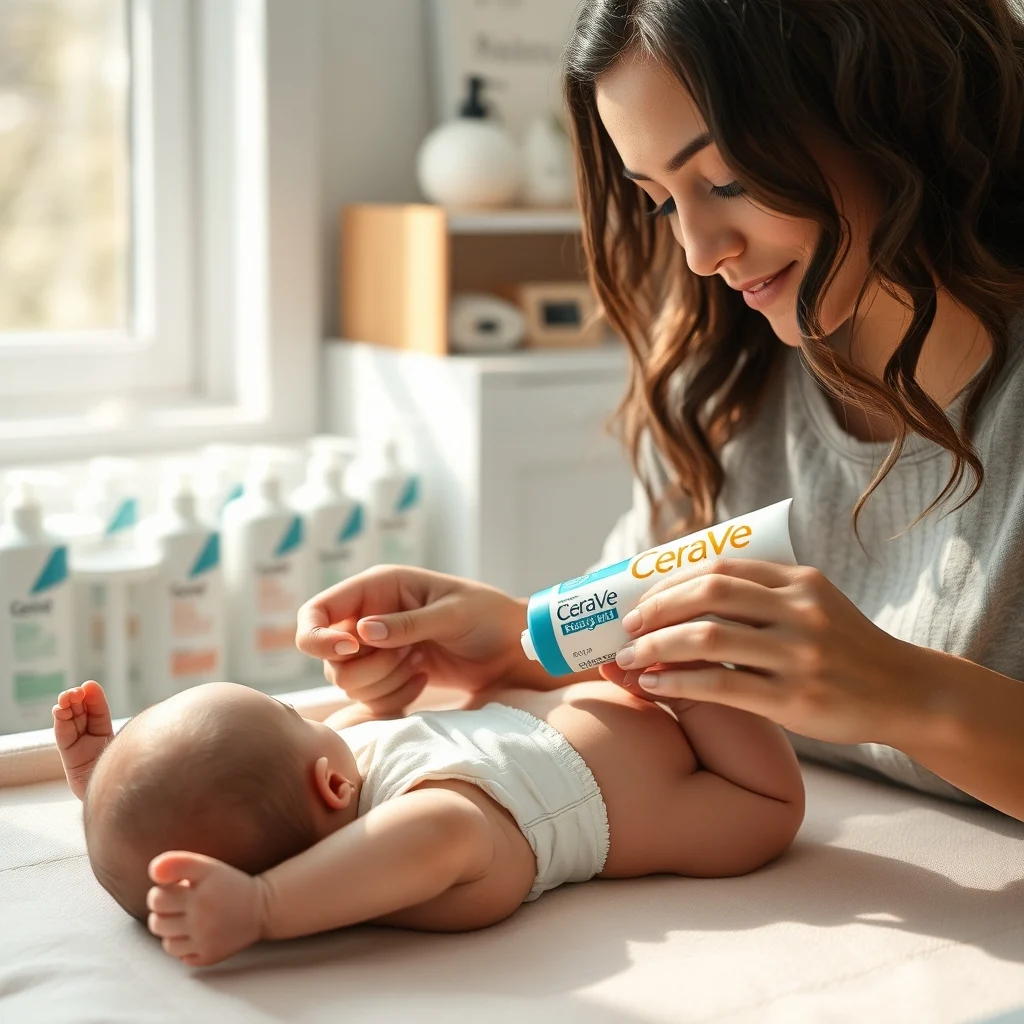
In 2024, pediatric dermatologists and child health experts emphasize the critical importance of tailored skin care routines for infants, particularly those with sensitive skin, to prevent common conditions such as diaper rash, eczema, and dryness. According to a study published in the Journal of Pediatric Dermatology in January 2024, nearly 65% of newborns experience some form of skin irritation within the first three months of life, with diaper rash and cradle cap being the most prevalent. The American Academy of Pediatrics (AAP) recommends initiating a gentle skin care regimen immediately after birth, focusing on hydration, protection, and the use of hypoallergenic, fragrance-free products to minimize risks. Parents and caregivers are advised to prioritize products with clinically proven safety profiles, particularly for newborns and infants under six months, whose skin barrier is up to 30% thinner than that of adults.
Understanding the Unique Vulnerabilities of Infant Skin
Infant skin differs significantly from adult skin in structure and function, making it more susceptible to irritation, infection, and environmental damage. A 2023 report by the World Health Organization (WHO) highlights that the stratum corneum, the outermost layer of the skin, is not fully developed in newborns, leading to increased transepidermal water loss and reduced protection against pathogens. This vulnerability is compounded in premature infants, whose skin may take up to four weeks longer to mature. Dr. Emily Carter, a pediatric dermatologist at Boston Children’s Hospital, explains, “Newborn skin requires a delicate balance of hydration and protection. Over-cleansing or using harsh products can disrupt the skin’s natural microbiome, leading to conditions like atopic dermatitis or contact dermatitis.”
The pH of infant skin also plays a crucial role in its health. While adult skin typically has a pH of 5.5, newborn skin starts with a near-neutral pH of 6.5 to 7.5, gradually acidifying over the first few weeks of life. This higher pH makes infants more prone to bacterial and fungal infections, underscoring the need for pH-balanced cleansers and moisturizers. A 2024 study conducted by researchers at the University of California, San Francisco, found that using pH-neutral or slightly acidic products reduced the incidence of diaper dermatitis by 40% in infants aged 0-6 months.
Essential Products for a Safe and Effective Infant Skin Care Routine
Selecting the right products is paramount in maintaining the health of infant skin. The AAP and the Skin Health Alliance recommend the following categories of products for daily use:
Cleansers and Bath Products
Gentle, soap-free cleansers are preferred for infant baths, as traditional soaps can strip the skin of its natural oils and disrupt its pH balance. The AAP advises limiting baths to 2-3 times per week for newborns, using lukewarm water and a mild, fragrance-free cleanser. Products such as Cetaphil Baby Wash & Shampoo and Mustela Gentle Cleansing Gel have been clinically tested and are recommended by pediatricians for their hypoallergenic and tear-free formulas. For infants with eczema or extremely dry skin, the National Eczema Association (NEA) suggests using emollient-based cleansers, such as Aveeno Baby Eczema Therapy Soothing Bath Treatment, which contains colloidal oatmeal to soothe irritation.
Moisturizers and Emollients
Hydration is critical in preventing dryness and maintaining the skin barrier. A 2024 survey by the Pediatric Dermatology Research Alliance (PeDRA) found that 78% of parents reported improved skin hydration in their infants after using a daily moisturizer. The AAP recommends applying a fragrance-free, hypoallergenic moisturizer within three minutes of bathing to lock in moisture. Products like CeraVe Baby Moisturizing Cream and Vanicream Moisturizing Cream are frequently recommended for their ceramide-rich formulas, which help restore the skin barrier. For infants with eczema, thicker emollients such as Eucerin Baby Eczema Relief Body Cream are preferred, as they provide a protective layer over the skin.
Diaper Care and Rash Prevention
Diaper rash affects up to 50% of infants at some point, with peak incidence occurring between 9-12 months of age. The primary causes include prolonged exposure to moisture, friction, and irritants from urine and feces. To prevent diaper rash, the AAP recommends changing diapers frequently, at least every 2-3 hours, and using a barrier cream containing zinc oxide or petroleum jelly during each change. Dr. Sarah Thompson, a pediatrician at Johns Hopkins Children’s Center, states, “Zinc oxide-based creams, such as Desitin Maximum Strength or Boudreaux’s Butt Paste, are highly effective in creating a protective barrier against moisture and irritants. For severe rashes, a thin layer of hydrocortisone cream (0.5% or 1%) may be used for up to three days, but parents should consult a pediatrician before doing so.”
In addition to barrier creams, air-drying the diaper area and using fragrance-free, alcohol-free wipes can reduce the risk of irritation. For cloth diaper users, rinsing diapers with a half-cup of vinegar during the wash cycle can help neutralize ammonia from urine, which is a common irritant.
Sun Protection for Infants
Sun protection is often overlooked in infant skin care, yet it is essential for preventing long-term damage. The Skin Cancer Foundation warns that even a single severe sunburn in infancy can double the risk of developing melanoma later in life. The AAP advises keeping infants under six months out of direct sunlight and dressing them in lightweight, long-sleeved clothing and wide-brimmed hats. For infants over six months, a broad-spectrum sunscreen with an SPF of at least 30 should be applied to exposed areas, such as the face and hands. Mineral-based sunscreens containing zinc oxide or titanium dioxide are recommended for infants, as they are less likely to cause irritation. Products like Blue Lizard Baby Sunscreen and Thinkbaby Safe Sunscreen have been tested and approved by pediatric dermatologists for their safety and efficacy.
Addressing Common Infant Skin Conditions
Despite preventive measures, infants may still develop skin conditions that require targeted treatment. Understanding the causes and appropriate interventions can help parents manage these issues effectively.
Cradle Cap (Seborrheic Dermatitis)
Cradle cap is a common, non-contagious condition characterized by greasy, yellowish scales on the scalp. It typically appears within the first three months of life and resolves on its own by 6-12 months. The exact cause is unknown, but it is believed to be related to overactive sebaceous glands and a yeast called Malassezia. The AAP recommends gently massaging the scalp with mineral oil or a mild baby shampoo, such as Johnson’s Baby Shampoo, followed by brushing with a soft-bristled brush to loosen the scales. For persistent cases, a pediatrician may prescribe a medicated shampoo containing ketoconazole or selenium sulfide.
Eczema (Atopic Dermatitis)
Eczema affects approximately 10-20% of infants and is characterized by dry, itchy, red patches on the skin. It often appears on the cheeks, arms, and legs and can be triggered by irritants, allergens, or environmental factors. The NEA recommends a multi-faceted approach to managing eczema, including daily moisturizing, using fragrance-free products, and avoiding known triggers such as wool or synthetic fabrics. In severe cases, a pediatrician may prescribe topical corticosteroids or calcineurin inhibitors to reduce inflammation. A 2024 clinical trial published in JAMA Pediatrics found that infants with eczema who followed a strict moisturizing regimen experienced a 50% reduction in flare-ups compared to those who did not.
Heat Rash (Miliaria)
Heat rash occurs when sweat ducts become blocked, leading to small, red bumps on the skin. It is most common in hot, humid weather and typically appears in areas where sweat accumulates, such as the neck, diaper area, and skin folds. The AAP advises dressing infants in loose, breathable clothing and keeping them in a cool environment to prevent heat rash. If rash develops, applying a thin layer of calamine lotion or hydrocortisone cream (0.5%) can help reduce itching and inflammation. Parents should avoid using thick creams or ointments, as they can further block sweat ducts.
Baby Acne
Baby acne, or neonatal acne, affects about 20% of newborns and typically appears within the first two to four weeks of life. It is characterized by small, red or white bumps on the cheeks, nose, and forehead and is thought to be caused by maternal hormones. Baby acne usually resolves on its own within a few months and does not require treatment. The AAP advises parents to avoid using acne medications or harsh soaps, as these can irritate the skin. Gentle cleansing with water and a mild baby cleanser is sufficient.
Infant skin care is a dynamic process that requires vigilance, patience, and the use of evidence-based products and practices. By understanding the unique needs of infant skin and adhering to expert recommendations, parents and caregivers can effectively prevent and manage common skin conditions, ensuring their child’s skin remains healthy and protected. The key lies in consistency, gentleness, and a proactive approach to addressing potential issues before they escalate. As research continues to evolve, staying informed about the latest guidelines and product innovations will empower caregivers to make the best decisions for their infant’s skin health.
You may also like
-
Complete Guide to Choosing the Best Sunscreen for Your Skin Type
-
Bare Minimum Beauty: Simplify Your Routine Without Sacrificing Glow
-
2024 Pediatric Skin Care Alert: How to Safeguard Newborns from Common Dermatological Risks Using Clinically Validated Methods
-
Bare Minimum Beauty 2024: Indonesia’s Top Dupe Makeup and Skincare Picks That Deliver High-End Results at Budget Prices—Expert-Backed Affordable Alternatives for Every Routine
-
Indonesia’s Traditional Herbal Skincare: The Proven Benefits of Lulur, Jamu, and Organic Remedies in Modern Dermatological Practices