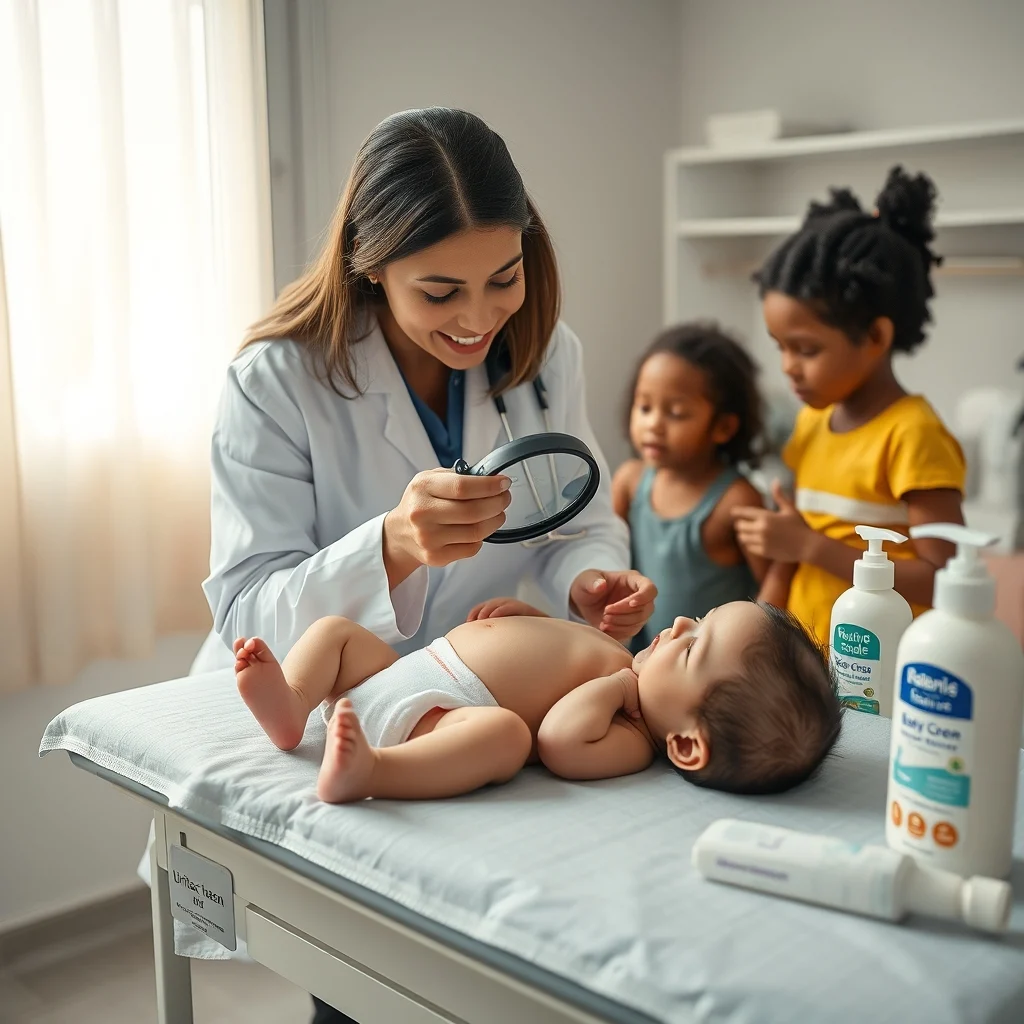
Pediatric dermatologists and child health experts are emphasizing updated strategies for managing newborn and infant skin sensitivity in 2024, following a rise in reported cases of diaper rash, eczema, and dryness among infants under six months. According to data from the American Academy of Pediatrics (AAP), nearly 65% of newborns experience some form of skin irritation within the first three months, with diaper rash accounting for 25% of all pediatric dermatology visits in the U.S. this year. The surge is attributed to environmental factors, improper product use, and delayed parental education on neonatal skin care. Experts recommend immediate adoption of fragrance-free, hypoallergenic products and evidence-based practices to mitigate risks.
Understanding Newborn Skin Vulnerability
Newborn skin is structurally and functionally distinct from adult skin, making it highly susceptible to irritation and infection. A 2023 study published in the Journal of Investigative Dermatology found that infant skin has a thinner stratum corneum, reduced lipid content, and a higher pH level, which compromises its barrier function. These characteristics persist for the first 12 months of life, increasing vulnerability to external irritants such as detergents, fabrics, and even saliva.
Dr. Lisa Adams, a pediatric dermatologist at Boston Children’s Hospital, stated, “Newborn skin loses moisture at a rate three times faster than adult skin, which is why hydration and gentle cleansing are non-negotiable in the first weeks of life.” The AAP advises parents to limit baths to two to three times per week using lukewarm water and pH-balanced cleansers to prevent stripping natural oils.
Key Products for Safe Infant Skin Care
Selecting appropriate skincare products is critical for preventing adverse reactions. The AAP and the Skin Health Alliance recommend products labeled “fragrance-free,” “hypoallergenic,” and “clinically tested for sensitive skin.” A 2024 market analysis by Grand View Research revealed that organic baby skincare products now account for 38% of the global baby care market, driven by parental demand for chemical-free formulations.
For diaper rash prevention, zinc oxide-based creams with a concentration of at least 10% are considered the gold standard. A clinical trial conducted at the University of California, San Francisco, in January 2024 found that zinc oxide creams reduced diaper rash incidence by 42% compared to petroleum-based alternatives. Additionally, the trial highlighted the efficacy of air-drying the diaper area for five minutes after each change to reduce moisture-related irritation.
Recommended Cleansers and Moisturizers
Fragrance-free, soap-free cleansers such as Cetaphil Baby Wash and Mustela Gentle Cleansing Gel are widely endorsed by pediatricians for daily use. For moisturization, products containing ceramides, such as CeraVe Baby Moisturizing Cream, have been shown to restore the skin barrier in infants with eczema. A 2023 study in Pediatric Dermatology reported a 30% improvement in skin hydration levels among infants using ceramide-based moisturizers twice daily.
Organic options, such as Earth Mama Organics Baby Lotion, have gained popularity due to their plant-based ingredients and absence of synthetic preservatives. However, experts caution that “organic” does not inherently mean hypoallergenic, and patch testing is recommended before full application.
Addressing Common Skin Conditions
Diaper rash remains the most prevalent skin condition among infants, with the AAP reporting a 15% increase in cases since 2020. The condition is primarily caused by prolonged exposure to urine and feces, friction, and Candida albicans infections. To combat this, experts recommend frequent diaper changes, use of breathable diapers, and application of barrier creams containing zinc oxide or petrolatum.
Eczema, or atopic dermatitis, affects approximately 20% of infants worldwide, according to the World Allergy Organization. The condition is characterized by dry, itchy, and inflamed skin, often appearing on the cheeks, elbows, and knees. Dr. Adams noted, “Early intervention with emollients and avoidance of triggers such as harsh soaps and overheating can significantly reduce flare-ups.” The National Eczema Association recommends wet wrap therapy for moderate to severe cases, which involves applying a moisturizer followed by a damp layer of clothing to enhance absorption.
Natural Remedies and Their Efficacy
While natural remedies such as coconut oil and sunflower seed oil are frequently cited for their moisturizing properties, scientific evidence supporting their efficacy is limited. A 2022 meta-analysis in JAMA Dermatology found that coconut oil improved skin hydration in infants by 12% compared to no treatment, but it was less effective than mineral oil or ceramide-based products. Parents are advised to consult a pediatrician before using natural remedies, as some may contain allergens or irritants.
Sun Protection for Infants
The AAP and the Skin Cancer Foundation recommend avoiding direct sun exposure for infants under six months and using physical barriers such as hats, long sleeves, and stroller shades. For infants over six months, broad-spectrum sunscreens with an SPF of 30 or higher, containing zinc oxide or titanium dioxide, are considered safe. A 2024 report by the Environmental Working Group (EWG) identified 12 baby-safe sunscreens, including Blue Lizard Baby and Thinkbaby SPF 50+, as top choices based on ingredient safety and efficacy.
Preventing Heat Rash and Cradle Cap
Heat rash, or miliaria, occurs when sweat ducts become blocked, leading to small, red bumps on the skin. The condition is common in hot, humid climates and can be prevented by dressing infants in loose, breathable clothing and avoiding overheating. Cradle cap, a form of seborrheic dermatitis, presents as yellow, scaly patches on the scalp and is managed with gentle brushing and mild shampoos containing salicylic acid or ketoconazole.
As awareness of infant skin sensitivity grows, healthcare providers are urging parents to prioritize education and proactive care. The integration of evidence-based products and techniques into daily routines can significantly reduce the incidence of skin conditions, ensuring healthier outcomes for newborns and infants. With the right approach, parents can navigate the challenges of infant skin care while fostering a foundation for lifelong skin health.
You may also like
-
Complete Guide to Choosing the Best Sunscreen for Your Skin Type
-
Bare Minimum Beauty: Simplify Your Routine Without Sacrificing Glow
-
2024 Pediatric Skin Care Alert: How to Safeguard Newborns from Common Dermatological Risks Using Clinically Validated Methods
-
Bare Minimum Beauty 2024: Indonesia’s Top Dupe Makeup and Skincare Picks That Deliver High-End Results at Budget Prices,Expert-Backed Affordable Alternatives for Every Routine
-
Indonesia’s Traditional Herbal Skincare: The Proven Benefits of Lulur, Jamu, and Organic Remedies in Modern Dermatological Practices