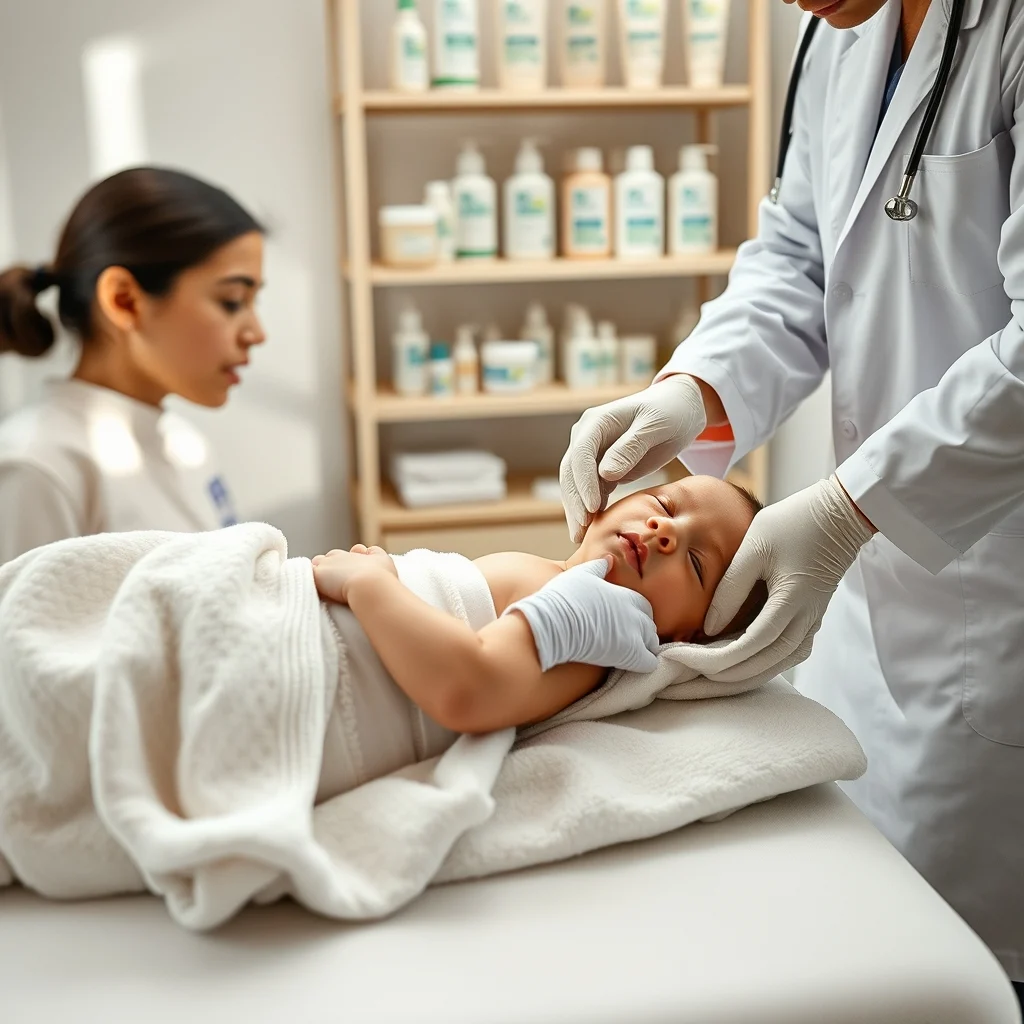
Pediatric dermatologists and child health organizations worldwide emphasize the critical need for specialized skin care routines for newborns and infants, particularly those with sensitive skin or pre-existing conditions such as eczema or diaper rash. According to a 2023 report by the American Academy of Pediatrics (AAP), nearly 65% of infants experience some form of skin irritation within the first six months of life, with diaper rash and cradle cap being the most prevalent. These conditions often arise due to the delicate nature of infant skin, which is up to 30% thinner than adult skin and lacks the protective barrier that develops with age. Parents and caregivers are advised to adopt evidence-based practices, including the use of hypoallergenic, fragrance-free products and regular hydration, to prevent and manage common skin issues.
Understanding the Unique Vulnerabilities of Infant Skin
Infant skin undergoes significant physiological changes during the first year of life, making it highly susceptible to external irritants. A study published in the Journal of Investigative Dermatology in January 2024 found that the skin barrier in newborns is not fully mature until at least 12 months postpartum, leaving it prone to transepidermal water loss and microbial invasion. This immaturity is compounded by environmental factors such as humidity, temperature fluctuations, and exposure to harsh chemicals in soaps or detergents. The AAP recommends avoiding products containing sulfates, parabens, and synthetic fragrances, as these ingredients have been linked to increased rates of contact dermatitis in infants.
Dr. Emily Chen, a pediatric dermatologist at Boston Children’s Hospital, states, “Newborn skin is not just a smaller version of adult skin,it is fundamentally different in structure and function. The stratum corneum, the outermost layer, is significantly thinner, which means it absorbs substances more readily and loses moisture at a faster rate. This is why even seemingly mild products can trigger adverse reactions in babies.” Chen’s research, presented at the 2023 Society for Pediatric Dermatology Annual Meeting, highlights that infants with a family history of eczema or allergies are at a 50% higher risk of developing similar conditions.
Essential Products for Safe and Effective Infant Skin Care
Selecting the right products is paramount in maintaining the health of an infant’s skin. The AAP and the European Academy of Dermatology and Venereology (EADV) recommend a minimalist approach, focusing on cleansers, moisturizers, and protective barriers. For bathing, fragrance-free and pH-balanced cleansers, such as those with a pH of 5.5, are preferred to avoid disrupting the skin’s natural acid mantle. A 2022 study conducted by the University of Manchester found that infants bathed with alkaline soaps (pH 9-10) were three times more likely to develop dry skin compared to those using pH-balanced products.
Moisturization is equally critical, particularly for infants with dry or eczema-prone skin. The National Eczema Association (NEA) advises applying emollients within three minutes of bathing to lock in moisture. Products containing ceramides, cholesterol, and fatty acids are particularly effective in restoring the skin barrier. For diaper rash prevention, zinc oxide-based creams with a concentration of at least 10% are recommended by the AAP. These creams form a protective layer over the skin, shielding it from moisture and irritants. A 2023 clinical trial published in Pediatric Dermatology demonstrated that infants using zinc oxide creams experienced a 40% reduction in diaper rash severity compared to those using petroleum-based products.
Organic and Natural Alternatives: Weighing the Evidence
The market for organic and natural baby skin care products has grown exponentially, with global sales exceeding $3.2 billion in 2023, according to a report by Grand View Research. While these products often tout benefits such as being free from synthetic chemicals, experts caution that “natural” does not always equate to “safe.” A 2021 study by the University of California, San Francisco, found that 25% of organic baby lotions contained botanical extracts, such as lavender or chamomile, which can act as allergens in sensitive infants. The NEA advises parents to patch-test any new product on a small area of the infant’s skin before widespread use.
Dr. Sarah Thompson, a pediatric allergist at the Royal Children’s Hospital in Melbourne, notes, “While organic products may reduce exposure to certain synthetic chemicals, they can introduce new risks, such as allergic reactions to plant-based ingredients. Parents should prioritize products that have undergone rigorous safety testing and are labeled as hypoallergenic, rather than relying solely on marketing claims.” Thompson’s team conducted a study in 2022 that revealed infants exposed to products containing essential oils were 20% more likely to develop contact dermatitis within the first year of life.
Managing Common Skin Conditions in Infants
Diaper rash, cradle cap, and heat rash are among the most common skin conditions affecting infants. Diaper rash, characterized by red, inflamed skin in the diaper area, affects up to 50% of infants at some point, according to the AAP. The condition is typically caused by prolonged exposure to moisture, friction, and irritants such as urine or feces. To prevent diaper rash, caregivers are advised to change diapers frequently, use breathable diaper materials, and apply a barrier cream during each change. For severe cases, a pediatrician may prescribe a mild topical steroid or antifungal cream.
Cradle cap, or seborrheic dermatitis, presents as yellowish, scaly patches on the scalp and is thought to be linked to overactive sebaceous glands. The AAP recommends gentle cleansing with a mild shampoo and the use of a soft brush to loosen scales. In persistent cases, a pediatrician may recommend a low-potency hydrocortisone cream or a ketoconazole shampoo. Heat rash, or miliaria, occurs when sweat ducts become blocked, leading to small, red bumps on the skin. This condition is most common in hot, humid climates and can be prevented by dressing infants in lightweight, breathable clothing and avoiding excessive bundling.
Sun Protection: A Critical but Often Overlooked Aspect
Sun protection is a frequently neglected component of infant skin care, despite the fact that infant skin is highly vulnerable to ultraviolet (UV) radiation. The Skin Cancer Foundation reports that even a single severe sunburn in infancy can double the risk of developing melanoma later in life. The AAP recommends keeping infants under six months of age out of direct sunlight and using physical barriers such as hats, long-sleeved clothing, and umbrellas. For infants older than six months, the use of a broad-spectrum sunscreen with an SPF of at least 30 is advised. However, sunscreens containing oxybenzone or octinoxate should be avoided, as these chemicals have been linked to hormonal disruptions in animal studies.
A 2023 study published in JAMA Pediatrics found that only 15% of parents consistently applied sunscreen to their infants during outdoor activities. The study, conducted across 10 pediatric clinics in the United States, also revealed that parents were more likely to use sunscreen if it was recommended by their pediatrician. The AAP has called for greater public health education on the importance of sun protection for infants, particularly in regions with high UV indices, such as Australia and the southwestern United States.
Best Practices for Long-Term Skin Health
Establishing a consistent skin care routine is essential for preventing and managing skin conditions in infants. The AAP recommends bathing infants no more than three times per week during the first year of life, as excessive bathing can strip the skin of its natural oils. When bathing is necessary, lukewarm water should be used, and the duration should not exceed 10 minutes. After bathing, the skin should be patted dry with a soft towel, and a moisturizer should be applied immediately to prevent moisture loss.
For infants with eczema, the NEA advises using a two-step moisturizing process: first applying a humectant, such as glycerin, to draw moisture into the skin, followed by an occlusive, such as petroleum jelly, to seal it in. This approach has been shown to reduce eczema flare-ups by up to 50% in clinical trials. Additionally, caregivers should be vigilant about identifying and avoiding triggers, such as certain foods, fabrics, or environmental allergens, which can exacerbate skin conditions.
Regular pediatric check-ups are crucial for monitoring skin health and addressing any concerns early. Pediatricians can provide personalized recommendations based on an infant’s specific needs and medical history. The AAP also encourages parents to consult a pediatric dermatologist if an infant develops persistent or severe skin issues, such as widespread rashes, oozing lesions, or signs of infection. By adopting these evidence-based practices, caregivers can help ensure that their infants maintain healthy, resilient skin throughout the critical first years of life.
The foundation of infant skin health lies in a proactive, informed approach that prioritizes safety, simplicity, and consistency. As research continues to uncover the complexities of infant skin physiology, the guidelines for care will evolve, but the core principles of gentle cleansing, adequate hydration, and protection from irritants and UV radiation remain unchanged. Caregivers who stay informed and adaptable can provide their infants with the best possible start for a lifetime of healthy skin.
You may also like
-
Complete Guide to Choosing the Best Sunscreen for Your Skin Type
-
Bare Minimum Beauty: Simplify Your Routine Without Sacrificing Glow
-
2024 Pediatric Skin Care Alert: How to Safeguard Newborns from Common Dermatological Risks Using Clinically Validated Methods
-
Bare Minimum Beauty 2024: Indonesia’s Top Dupe Makeup and Skincare Picks That Deliver High-End Results at Budget Prices,Expert-Backed Affordable Alternatives for Every Routine
-
Indonesia’s Traditional Herbal Skincare: The Proven Benefits of Lulur, Jamu, and Organic Remedies in Modern Dermatological Practices