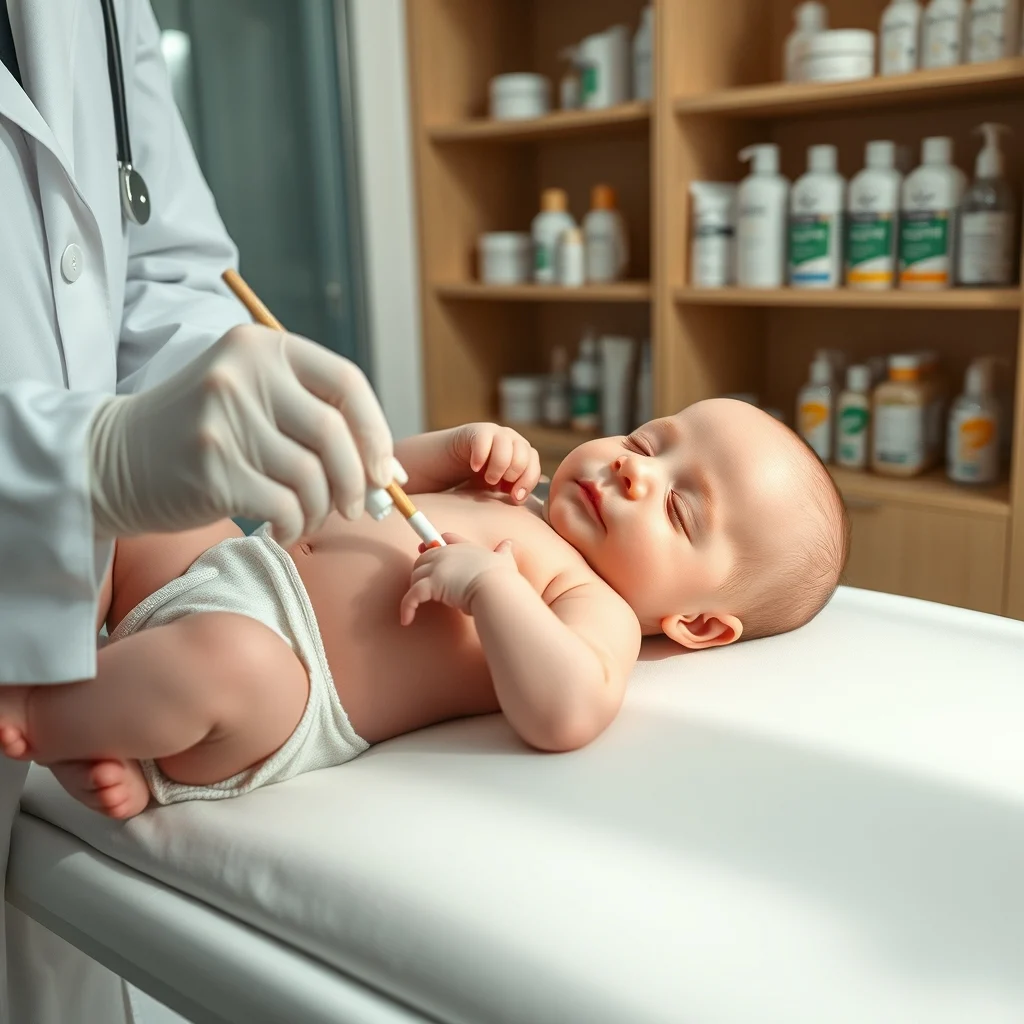
In 2024, pediatric dermatologists and healthcare providers are emphasizing evidence-based skin care practices for newborns and infants, particularly those with sensitive skin, as studies reveal that up to 60% of infants experience dermatological issues such as diaper rash, eczema, and dryness within the first year of life. The American Academy of Pediatrics (AAP) and the Society for Pediatric Dermatology (SPD) have updated their guidelines to address these concerns, recommending hypoallergenic, fragrance-free products and routine hydration to prevent irritation. Key challenges include identifying safe products, managing common conditions like cradle cap and heat rash, and protecting delicate skin from environmental factors such as UV exposure and harsh weather.
Understanding Newborn Skin: Structure and Vulnerabilities
Newborn skin differs significantly from adult skin in structure and function, making it more susceptible to irritation and infection. At birth, the epidermis is approximately 20-30% thinner than adult skin, with a less developed barrier that allows for greater moisture loss and increased permeability to external substances. A 2023 study published in the Journal of Investigative Dermatology found that the skin barrier in infants does not fully mature until around 12 months of age, leaving them vulnerable to conditions such as atopic dermatitis and contact dermatitis.
Dr. Lawrence Eichenfield, Chief of Pediatric and Adolescent Dermatology at Rady Children’s Hospital in San Diego, explains, “Newborn skin is not just a smaller version of adult skin; it requires specialized care to support its development and protect it from harm. The use of harsh soaps or fragranced products can disrupt the skin barrier, leading to inflammation and long-term sensitivity.” The AAP recommends limiting baths to 2-3 times per week for newborns, using lukewarm water and mild, pH-balanced cleansers to preserve the skin’s natural oils.
Common Skin Conditions in Infants and Evidence-Based Solutions
Diaper rash, or diaper dermatitis, remains one of the most prevalent skin conditions in infants, affecting nearly 50% of babies between 9 and 12 months of age, according to a 2024 report by the Centers for Disease Control and Prevention (CDC). The condition is typically caused by prolonged exposure to moisture, friction, and irritants such as urine and feces. Pediatricians recommend frequent diaper changes, air drying, and the application of zinc oxide-based creams to create a protective barrier. A study conducted at Boston Children’s Hospital in 2023 found that infants using breathable, disposable diapers experienced a 30% reduction in diaper rash incidence compared to those using cloth diapers.
Another common issue is cradle cap, a form of seborrheic dermatitis that affects the scalp and appears as yellowish, greasy scales. While the exact cause is unknown, it is believed to be linked to overactive sebaceous glands. The SPD advises gentle cleansing with a soft brush and the use of mild shampoos containing ketoconazole or selenium sulfide for persistent cases. For eczema, which affects approximately 15-20% of infants, the National Eczema Association recommends daily moisturization with fragrance-free emollients and the avoidance of known triggers such as wool and synthetic fabrics.
Safe and Effective Products for Infant Skin Care
Selecting appropriate skin care products is critical for preventing irritation and maintaining skin health. The AAP and SPD have identified key ingredients to avoid, including parabens, phthalates, and synthetic fragrances, which have been linked to allergic reactions and hormonal disruptions. Instead, parents are encouraged to choose products labeled as “hypoallergenic,” “fragrance-free,” and “clinically tested for sensitive skin.”
For moisturization, pediatric dermatologists recommend products containing ceramides, which help restore the skin barrier, and colloidal oatmeal, which soothes inflammation. A 2024 clinical trial published in Pediatric Dermatology found that infants using ceramide-based moisturizers experienced a 40% reduction in dryness and eczema flare-ups compared to those using standard lotions. Popular options include CeraVe Baby Moisturizing Cream and Aveeno Baby Eczema Therapy Moisturizing Cream, both of which have received the National Eczema Association’s Seal of Acceptance.
When it comes to sun protection, the AAP advises against using sunscreen on infants under six months of age, as their skin is too sensitive for chemical filters. Instead, parents should rely on physical barriers such as hats, long-sleeved clothing, and shade. For infants over six months, mineral-based sunscreens containing zinc oxide or titanium dioxide are recommended, as they provide broad-spectrum protection without irritating the skin. The FDA has approved several baby-safe sunscreens, including Blue Lizard Baby and Thinkbaby SPF 50+, which are free of oxybenzone and octinoxate.
Natural and Organic Alternatives: Benefits and Limitations
The demand for natural and organic baby skin care products has surged in recent years, with parents seeking alternatives to conventional formulations. Organic products, such as those certified by the USDA or Ecocert, are free of synthetic pesticides, fertilizers, and genetically modified organisms (GMOs). However, experts caution that “natural” does not always equate to “safe,” as some botanical ingredients can cause allergic reactions or irritation.
Dr. Sheila Friedlander, a pediatric dermatologist at the University of California, San Diego, states, “While organic products can be a good option for some families, it’s important to remember that even natural ingredients like essential oils or plant extracts can be sensitizing. Parents should always patch-test new products on a small area of their baby’s skin before full application.” Popular organic brands include Earth Mama Organics and Burt’s Bees Baby, which offer fragrance-free lotions, balms, and washes formulated for sensitive skin.
For parents interested in DIY solutions, the AAP advises caution, as homemade remedies may lack proper preservation and can harbor bacteria. A 2023 study in the Journal of Allergy and Clinical Immunology found that infants exposed to homemade skin care products had a higher incidence of contact dermatitis compared to those using commercially tested formulations. If opting for natural remedies, experts recommend consulting a pediatrician or dermatologist to ensure safety and efficacy.
Preventive Measures and Long-Term Skin Health
Preventing skin issues in infants begins with establishing a consistent skin care routine. The AAP recommends the following steps: gentle cleansing with fragrance-free products, thorough but gentle drying, and immediate moisturization to lock in hydration. For infants prone to dryness or eczema, applying moisturizer within three minutes of bathing can significantly reduce moisture loss.
Clothing choices also play a role in skin health. Soft, breathable fabrics such as cotton are ideal, as they minimize friction and allow the skin to breathe. The SPD advises washing new clothes and bedding before use to remove irritants such as formaldehyde and dyes. Additionally, parents should avoid overdressing infants, as excessive heat and sweat can lead to conditions like heat rash or miliaria.
Regular check-ups with a pediatrician are essential for monitoring skin health and addressing any concerns early. The AAP recommends discussing skin care routines during well-child visits, particularly for infants with a family history of eczema, asthma, or allergies. Early intervention can prevent complications and improve long-term outcomes for skin health.
As research in pediatric dermatology continues to evolve, parents and caregivers are urged to stay informed about the latest guidelines and product recommendations. By prioritizing gentle, evidence-based skin care practices, families can help ensure that their infants’ skin remains healthy, hydrated, and protected from common dermatological issues. The integration of safe products, preventive measures, and professional guidance forms the cornerstone of effective infant skin care in 2024 and beyond.
You may also like
-
Complete Guide to Choosing the Best Sunscreen for Your Skin Type
-
Bare Minimum Beauty: Simplify Your Routine Without Sacrificing Glow
-
2024 Pediatric Skin Care Alert: How to Safeguard Newborns from Common Dermatological Risks Using Clinically Validated Methods
-
Bare Minimum Beauty 2024: Indonesia’s Top Dupe Makeup and Skincare Picks That Deliver High-End Results at Budget Prices—Expert-Backed Affordable Alternatives for Every Routine
-
Indonesia’s Traditional Herbal Skincare: The Proven Benefits of Lulur, Jamu, and Organic Remedies in Modern Dermatological Practices