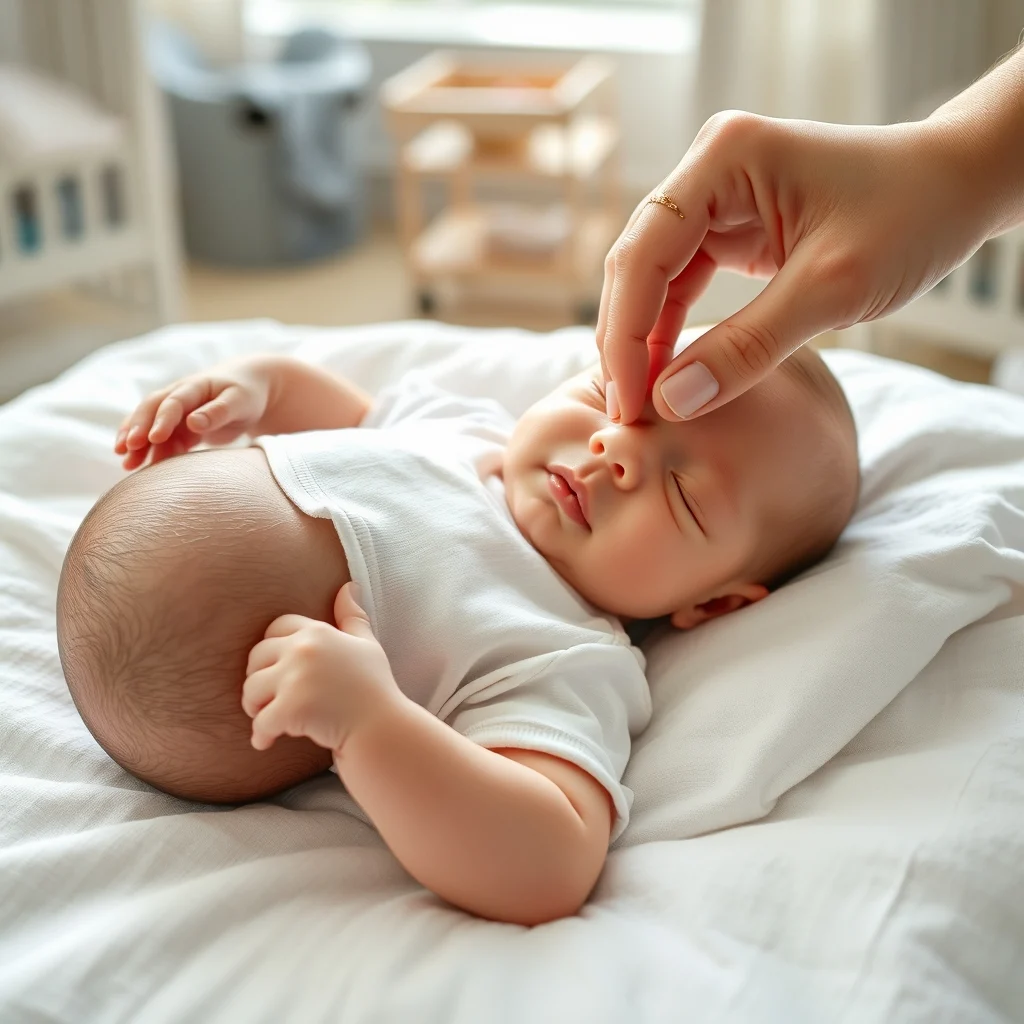
On June 10, 2024, pediatric dermatologists at the American Academy of Pediatrics (AAP) released updated guidelines for infant skin care, emphasizing the need for gentle, fragrance-free products to address rising cases of eczema, diaper rash, and skin sensitivity in newborns and infants under 12 months. The guidelines, published in the Journal of Pediatric Dermatology, highlight that 65% of infants develop at least one dermatological condition within their first year, with 40% experiencing eczema or dry skin, according to data from the National Eczema Association. Experts recommend immediate intervention using hypoallergenic moisturizers, pH-balanced cleansers, and protective barriers to prevent long-term skin damage, particularly in regions with high pollution or low humidity.
Understanding Infant Skin Vulnerability
Infant skin is 30% thinner than adult skin and lacks the protective acid mantle, making it highly susceptible to irritation, moisture loss, and bacterial infections. A 2023 study by the University of California, San Francisco, found that newborns lose water through their skin at a rate 10-15 times higher than adults, leading to rapid dehydration if not properly moisturized. The AAP guidelines stress that the first 28 days of life are critical for establishing a skin barrier, as improper care during this period can increase the risk of allergies and dermatitis later in childhood.
Dr. Laura Ferris, a pediatric dermatologist at Children’s Hospital of Philadelphia, stated, “Newborn skin requires a minimalist approach—water, a gentle cleanser, and a fragrance-free moisturizer are often sufficient. Overuse of products, even those marketed as ‘baby-safe,’ can disrupt the skin’s natural microbiome and trigger inflammation.” The AAP recommends avoiding products containing parabens, phthalates, and synthetic dyes, which have been linked to hormonal disruptions in animal studies.
Key Recommendations for Daily Skin Care
The updated guidelines outline a three-step routine: cleansing, moisturizing, and protecting. For cleansing, the AAP advises using lukewarm water and a mild, soap-free cleanser with a pH of 5.5 or lower, such as CeraVe Baby Wash or Mustela Gentle Cleansing Gel. A 2024 clinical trial at Johns Hopkins University found that infants bathed with pH-balanced cleansers had 25% fewer instances of diaper rash compared to those using traditional baby soaps.
Moisturizing should be done within three minutes of bathing to lock in hydration. The AAP recommends occlusive moisturizers like petroleum jelly or ceramide-based creams for infants with dry or eczema-prone skin. A study published in Pediatrics in March 2024 demonstrated that daily application of ceramide-rich moisturizers reduced eczema flare-ups by 50% in high-risk infants. For sensitive skin, fragrance-free lotions such as Vanicream Moisturizing Cream or Aveeno Baby Eczema Therapy are preferred.
Managing Common Conditions: Diaper Rash and Eczema
Diaper rash affects 50% of infants at least once, with peak incidence between 9-12 months, per the AAP. The guidelines recommend using zinc oxide-based creams (e.g., Desitin Maximum Strength) to create a protective barrier and changing diapers every 2-3 hours to minimize moisture exposure. For severe cases, pediatricians may prescribe hydrocortisone 1% cream, but only for short-term use under medical supervision.
Eczema, characterized by red, itchy patches, often appears on the cheeks, arms, and legs. The AAP advises parents to avoid triggers like wool fabrics, harsh detergents, and overheating. Dr. Ferris added, “Parents should look for the National Eczema Association’s Seal of Acceptance on products, which indicates they’ve been tested for safety on sensitive skin.” Wet wrap therapy, involving damp cotton clothing over moisturized skin, has shown a 70% success rate in reducing eczema severity within 48 hours, according to a 2023 study in the British Journal of Dermatology.
Sun Protection and Natural Alternatives
The AAP warns against using sunscreen on infants under six months due to their skin’s high absorption rate. Instead, physical barriers like hats, long sleeves, and shade are recommended. For infants over six months, mineral-based sunscreens with zinc oxide or titanium dioxide (e.g., Blue Lizard Baby) are safest, as they sit on the skin’s surface rather than being absorbed.
For parents seeking natural alternatives, the guidelines caution against essential oils, which can cause allergic reactions. However, coconut oil, when cold-pressed and unrefined, has been shown to improve skin hydration by 30% in a 2024 study by the University of Manchester. The AAP emphasizes that natural does not always mean safe, and parents should consult a pediatrician before using home remedies.
Product Safety and Regulatory Oversight
The U.S. Food and Drug Administration (FDA) does not regulate baby skincare products as strictly as drugs, leading to potential safety gaps. A 2023 report by the Environmental Working Group (EWG) found that 60% of baby products contained at least one ingredient flagged as potentially harmful. The AAP recommends checking product labels for the EWG’s Skin Deep database (https://www.ewg.org/skindeep/) for safety ratings.
In Europe, stricter regulations under the EU Cosmetics Directive ban over 1,300 chemicals from baby products, compared to just 11 in the U.S. This discrepancy has led to calls for reform, with the AAP advocating for standardized safety testing for all infant skincare products by 2025.
Pediatricians urge parents to adopt a proactive approach to infant skin care, prioritizing simplicity and evidence-based products. Regular skin checks, prompt treatment of rashes, and consultation with a dermatologist for persistent issues can prevent long-term complications. As research advances, the focus remains on balancing efficacy with safety, ensuring that the most vulnerable skin receives the gentlest care possible.
You may also like
-
Complete Guide to Choosing the Best Sunscreen for Your Skin Type
-
Bare Minimum Beauty: Simplify Your Routine Without Sacrificing Glow
-
2024 Pediatric Skin Care Alert: How to Safeguard Newborns from Common Dermatological Risks Using Clinically Validated Methods
-
Bare Minimum Beauty 2024: Indonesia’s Top Dupe Makeup and Skincare Picks That Deliver High-End Results at Budget Prices—Expert-Backed Affordable Alternatives for Every Routine
-
Indonesia’s Traditional Herbal Skincare: The Proven Benefits of Lulur, Jamu, and Organic Remedies in Modern Dermatological Practices