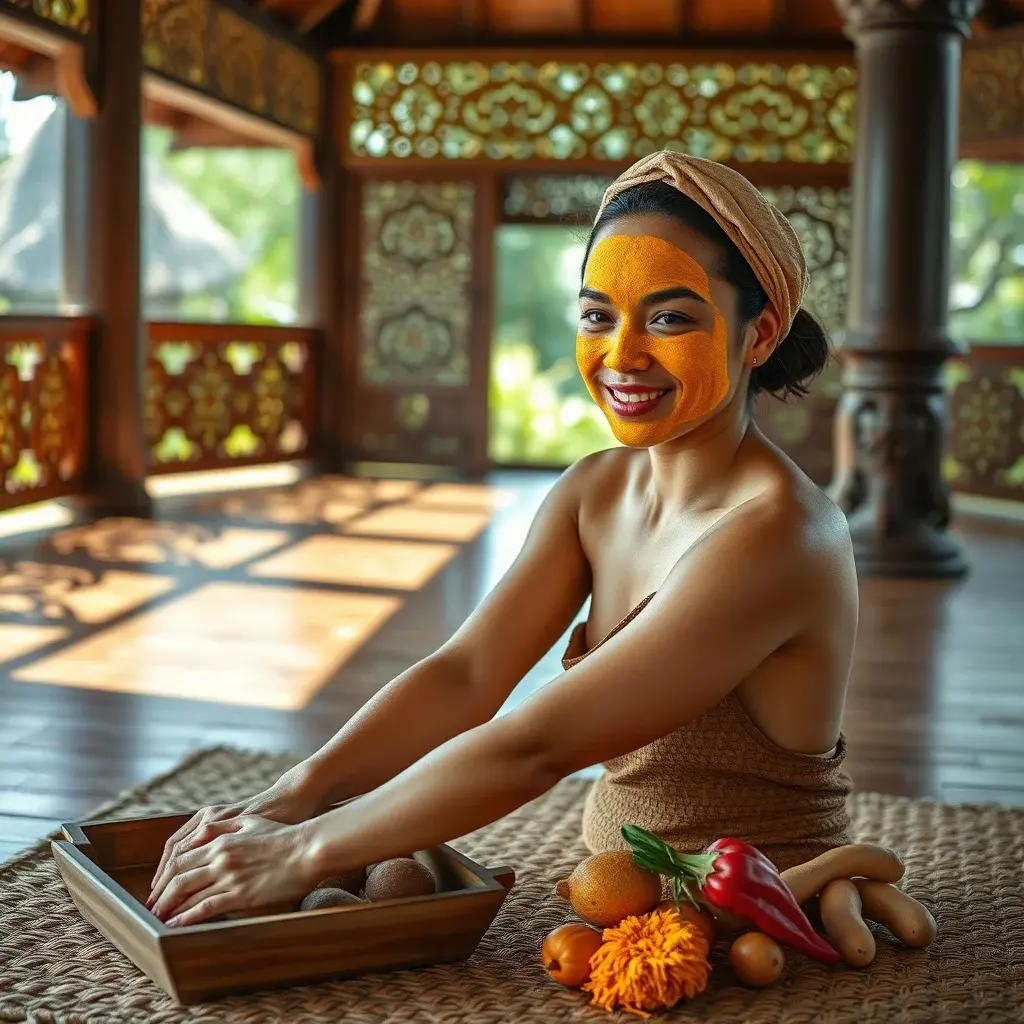
Indonesia’s traditional skincare practices, rooted in centuries-old herbal wisdom, are experiencing a global resurgence as consumers seek natural, chemical-free alternatives. From the lulur rempah treatments of Java to the organic bengkoang masks of Sumatra, these age-old rituals are now backed by scientific studies and adopted by international beauty brands. The movement gained momentum in 2023 when a study by the Indonesian Ministry of Health confirmed the efficacy of turmeric and rice bran in reducing hyperpigmentation, prompting a 40% increase in exports of herbal skincare products. Historically practiced in royal courts and rural communities alike, these methods offer solutions for acne, dullness, and aging, often at a fraction of the cost of commercial products.
The Historical Foundations of Indonesian Skincare
Indonesian skincare traditions trace their origins to the archipelago’s diverse ecosystems, where indigenous plants like turmeric, tamarind, and pandan have been used for over 1,000 years. The lulur Jawa, a body scrub made from rice flour, turmeric, and sandalwood, was first documented in the 15th-century Majapahit Empire as a pre-wedding ritual for brides. Similarly, jamu, a traditional herbal drink, was prescribed by Javanese healers to purify the blood and enhance skin clarity. These practices were not merely cosmetic but deeply embedded in cultural and spiritual beliefs, often tied to rites of passage or healing ceremonies.
In Bali, the boreh scrub,a blend of spices like cloves, cinnamon, and nutmeg,was used by fishermen to protect their skin from saltwater damage. Historical records from the Dutch colonial era (1600s–1940s) note the popularity of these remedies among European settlers, who adopted them for their anti-inflammatory properties. Today, these traditions are preserved in museums like the Museum Jamu Nyonya Meneer in Semarang, which houses over 1,000 herbal recipes dating back to the 18th century.
Scientific Validation of Traditional Ingredients
Recent research has validated the efficacy of many Indonesian skincare ingredients. A 2022 study published in the Journal of Ethnopharmacology found that kunyit (turmeric) contains curcumin, a compound with proven anti-inflammatory and antioxidant effects. The study reported a 30% reduction in acne lesions among participants who used a turmeric-based mask for eight weeks. Similarly, bengkoang (jicama), a root vegetable native to Sumatra, is rich in vitamin C and oligofructose, which brighten skin and reduce melanin production.
Dr. Retno Iswari, a dermatologist at the University of Indonesia, stated, “The synergy between traditional knowledge and modern science is undeniable. For example, the lactic acid in rice water, used in traditional masks, is now a staple in chemical peels for its exfoliating properties.” Another expert, herbalist Ibu Siti Nurjanah, added, “Jamu bersih darah, a blend of turmeric, ginger, and temulawak, has been shown to improve circulation, which directly impacts skin health.” These findings have led to collaborations between local farmers and cosmetic companies, such as Mustika Ratu, which sources organic ingredients from Java and Bali.
Modern Adaptations and Global Influence
The global demand for natural skincare has led to innovative adaptations of Indonesian traditions. Brands like Sensatia Botanicals and Sariayu have reformulated lulur scrubs and jamu-based serums for international markets, often combining them with modern delivery systems like microencapsulation. In 2023, the Indonesian government launched the “Jamu Goes Global” initiative, aiming to increase exports of herbal skincare products to $500 million by 2025. The program includes partnerships with universities to standardize formulations and ensure sustainability.
Social media has played a pivotal role in this revival, with influencers like @JamuJunkie and @LulurLover showcasing DIY recipes for turmeric masks and rice water toners. A survey by the Indonesian Beauty Industry Association revealed that 65% of millennials in urban areas now incorporate at least one traditional skincare product into their routines. However, challenges remain, including the need for stricter regulations to prevent mislabeling and ensure ingredient purity.
Preserving Authenticity Amid Commercialization
As Indonesian skincare gains global traction, concerns about cultural appropriation and dilution of traditional knowledge have emerged. The Indonesian Intellectual Property Office has begun documenting and patenting ancestral recipes to protect them from exploitation. For instance, the lulur Jawa was granted Geographical Indication status in 2021, ensuring that only products made in Java using authentic methods can bear the name.
Local communities are also taking steps to preserve these traditions. In Yogyakarta, the Kraton (royal palace) offers workshops on lulur-making, teaching participants the historical significance of each ingredient. Similarly, in Bali, the Ubud Writers & Readers Festival hosts panels on traditional beauty rituals, featuring elders who share oral histories passed down through generations. These efforts aim to balance commercialization with cultural integrity, ensuring that the knowledge remains accessible while respecting its origins.
The resurgence of Indonesia’s traditional skincare practices reflects a broader shift toward holistic wellness and sustainability. As scientific research continues to uncover the benefits of these age-old remedies, they offer a compelling alternative to synthetic products, bridging the gap between heritage and innovation. With growing global interest, these traditions are not only preserving cultural identity but also redefining modern beauty standards, one herbal remedy at a time.
You may also like
-
Complete Guide to Choosing the Best Sunscreen for Your Skin Type
-
Bare Minimum Beauty: Simplify Your Routine Without Sacrificing Glow
-
2024 Pediatric Skin Care Alert: How to Safeguard Newborns from Common Dermatological Risks Using Clinically Validated Methods
-
Bare Minimum Beauty 2024: Indonesia’s Top Dupe Makeup and Skincare Picks That Deliver High-End Results at Budget Prices,Expert-Backed Affordable Alternatives for Every Routine
-
Indonesia’s Traditional Herbal Skincare: The Proven Benefits of Lulur, Jamu, and Organic Remedies in Modern Dermatological Practices