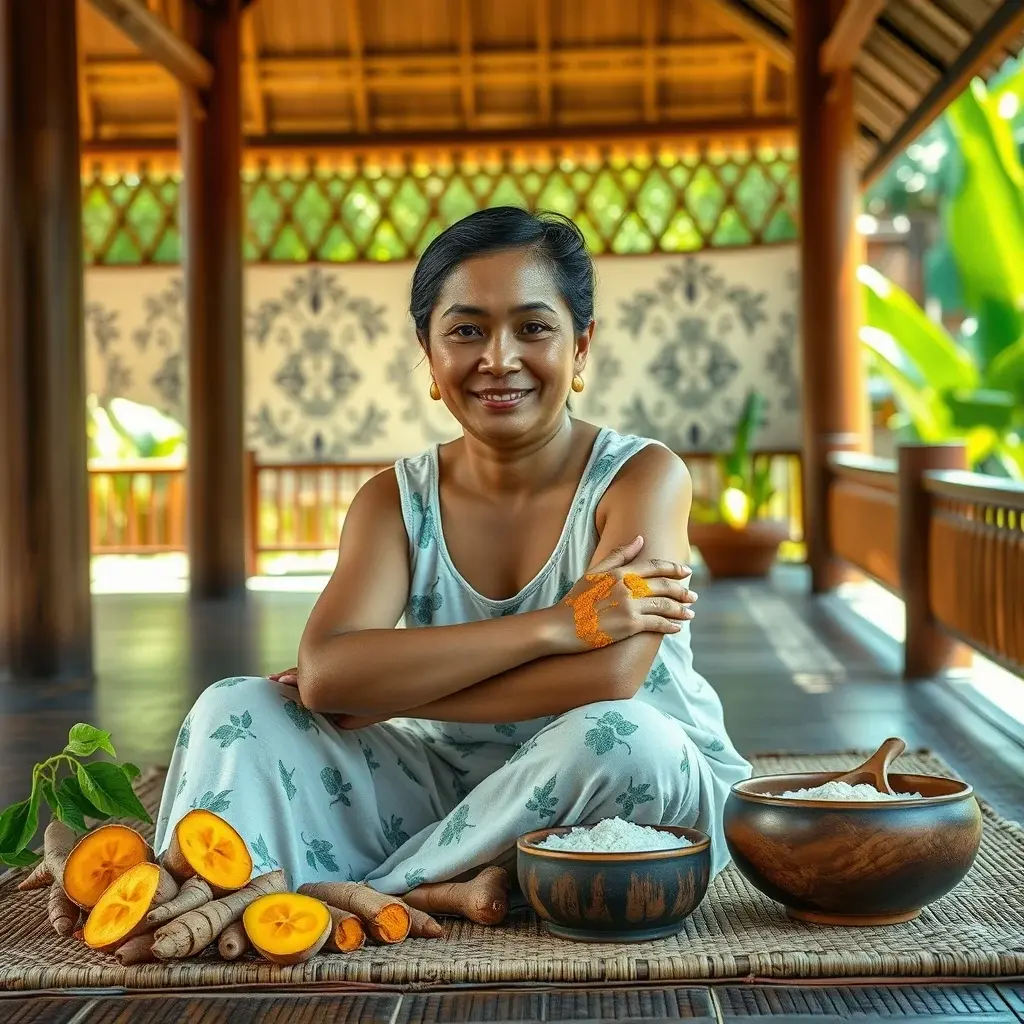
Indonesia’s traditional herbal skincare practices, deeply rooted in centuries-old wisdom, are experiencing a resurgence as modern consumers increasingly seek natural, chemical-free alternatives. These remedies, including lulur (herbal body scrubs), jamu (herbal tonics), and organic face masks, have been utilized for generations across the archipelago, particularly in Java, Bali, and Sumatra. Recent studies, such as those published by the Indonesian Ministry of Health’s Research and Development Agency in 2023, confirm the efficacy of these treatments in addressing common skin concerns like hyperpigmentation, acne, and premature aging. The global natural beauty market, valued at $34.5 billion in 2022, is projected to grow at a compound annual rate of 5.2% through 2030, with Indonesian herbal skincare emerging as a key contributor to this expansion.
The Historical Foundations of Indonesian Herbal Skincare
Traditional Indonesian skincare practices trace their origins to the pre-colonial era, where royal courts and rural communities alike relied on locally sourced botanicals for beauty and wellness. The Serat Centhini, an 18th-century Javanese manuscript, documents over 200 herbal recipes, including those for lulur and jamu, used by the Mataram Sultanate. These treatments were not merely cosmetic but also held cultural and spiritual significance, often incorporated into rituals such as pre-wedding ceremonies. In Bali, the boreh scrub, made from turmeric, rice flour, and coconut oil, remains a staple in traditional spas, reflecting the island’s holistic approach to beauty.
Dr. Ni Luh Made Pertiwi, a dermatologist at the University of Indonesia, states, “The active compounds in Indonesian herbs, such as curcumin in turmeric and vitamin C in bengkoang (jicama), have been scientifically proven to inhibit melanin production and promote collagen synthesis. These properties make them highly effective for brightening and anti-aging.” Her research, published in the Journal of Ethnopharmacology in 2021, highlights the potential of these ingredients in modern dermatology.
The Science Behind Traditional Ingredients
Turmeric (Curcuma longa), a cornerstone of Indonesian skincare, contains curcumin, a potent anti-inflammatory and antioxidant compound. A 2020 study by the Bandung Institute of Technology found that turmeric-based face masks reduced acne severity by 60% in participants after eight weeks of use. Similarly, bengkoang, a tuber rich in oligofructose, has been shown to lighten dark spots and even out skin tone due to its high vitamin C content. These findings align with global trends favoring plant-based skincare, as evidenced by the 40% increase in demand for turmeric-infused products reported by global beauty retailers in 2023.
Another key ingredient, rice bran, is used in traditional beras kencur masks for its exfoliating and hydrating properties. Research from Gadjah Mada University in 2019 demonstrated that rice bran extract increased skin elasticity by 25% in test subjects over a 12-week period. These results underscore the relevance of traditional knowledge in contemporary skincare formulations.
Modern Adaptations and Commercialization
The commercialization of Indonesian herbal skincare has accelerated in the past decade, with brands like Sariayu, Mustika Ratu, and Wardah leading the market. Mustika Ratu, founded in 1975, was among the first to blend traditional recipes with modern cosmetic science, offering products like the Lulur Mandi scrub, which combines turmeric, sandalwood, and rice flour. The brand’s revenue reached $50 million in 2022, reflecting the growing consumer preference for heritage-inspired skincare.
In 2021, the Indonesian government launched the Jamu Digital initiative to digitize and preserve traditional herbal knowledge, ensuring its accessibility for future generations. The program, supported by the Ministry of Education and Culture, has documented over 1,500 herbal recipes from across the archipelago, including those for skincare. This effort aligns with the broader global movement to validate and integrate indigenous practices into mainstream beauty industries.
Challenges and Sustainability Concerns
Despite the growing popularity of traditional skincare, challenges persist, particularly regarding sustainability and ingredient sourcing. Overharvesting of wild turmeric and sandalwood has led to supply shortages, prompting calls for regulated cultivation. The Indonesian Ministry of Environment and Forestry reported in 2023 that sandalwood production had declined by 30% over the past five years due to illegal logging and climate change. In response, brands like Sariayu have partnered with local farmers to establish sustainable supply chains, ensuring the long-term viability of these ingredients.
Another concern is the lack of standardized formulations, which can lead to inconsistent product efficacy. Dr. Retno Iswari, a pharmacologist at Airlangga University, notes, “While traditional remedies are effective, their potency can vary based on factors like soil quality and harvesting methods. Standardization is crucial for ensuring safety and reliability in commercial products.” Her team is currently developing guidelines for the production of herbal skincare, set to be published in 2024.
The Future of Indonesian Herbal Skincare
The global shift toward clean beauty has positioned Indonesian herbal skincare as a formidable player in the industry. In 2023, the Indonesian Trade Ministry reported a 20% increase in exports of natural skincare products, with key markets including the United States, Japan, and the European Union. This growth is driven by consumer demand for transparency, sustainability, and efficacy in beauty products.
Innovations in biotechnology are further bridging the gap between tradition and modernity. Researchers at the Indonesian Institute of Sciences (LIPI) are exploring the use of nanotechnology to enhance the delivery of herbal compounds, improving their absorption and effectiveness. These advancements could revolutionize the way traditional ingredients are incorporated into skincare, making them more accessible to a global audience.
The revival of Indonesia’s traditional skincare practices is not merely a trend but a testament to the enduring power of natural remedies. As scientific validation continues to uncover the benefits of these age-old ingredients, they are poised to redefine modern beauty standards, offering a harmonious blend of heritage and innovation. The integration of these practices into mainstream skincare routines underscores a broader cultural shift toward holistic wellness, where beauty is viewed as an extension of health and tradition.
You may also like
-
Complete Guide to Choosing the Best Sunscreen for Your Skin Type
-
Bare Minimum Beauty: Simplify Your Routine Without Sacrificing Glow
-
2024 Pediatric Skin Care Alert: How to Safeguard Newborns from Common Dermatological Risks Using Clinically Validated Methods
-
Bare Minimum Beauty 2024: Indonesia’s Top Dupe Makeup and Skincare Picks That Deliver High-End Results at Budget Prices—Expert-Backed Affordable Alternatives for Every Routine
-
Indonesia’s Traditional Herbal Skincare: The Proven Benefits of Lulur, Jamu, and Organic Remedies in Modern Dermatological Practices