
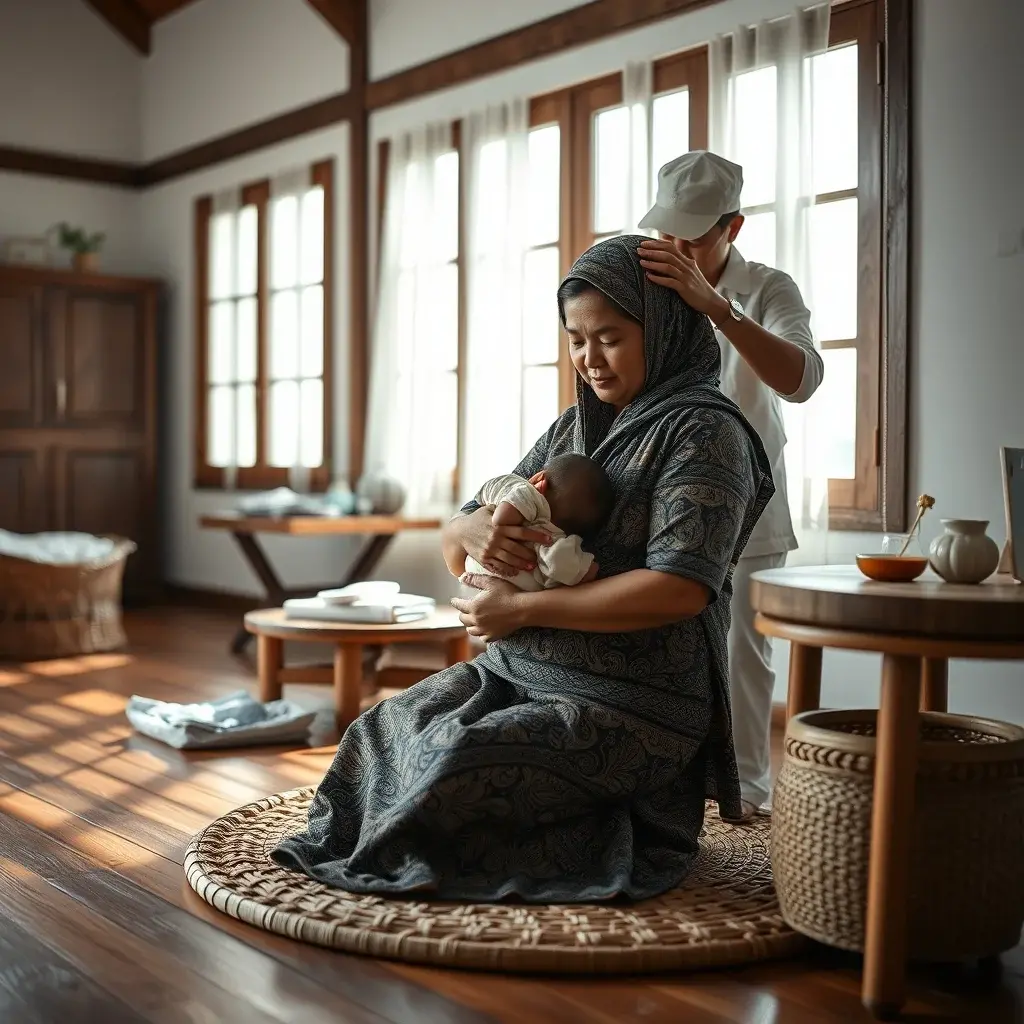
Indonesia has seen a growing emphasis on postpartum care, with recent data highlighting the critical 40-day nifas period as pivotal for maternal recovery. According to the Ministry of Health, approximately 5 million women give birth annually in Indonesia, with 60% requiring targeted interventions for physical, mental, and skincare needs. The integration of traditional therapies, such as jamu bersalin and pijat oksitosin, alongside modern medical practices, has become a cornerstone of postpartum care, particularly in urban centers like Jakarta, Surabaya, and Yogyakarta. Research from the Indonesian Obstetrics and Gynecology Association (POGI) indicates that women who engage in structured postpartum recovery programs experience 30% fewer complications, including postpartum depression and delayed wound healing.
Physical Recovery: From Korset to Kegel Exercises
The physical toll of childbirth necessitates a multi-faceted recovery approach. Postpartum korsets, or gurita, are widely used in Indonesia to support abdominal muscles and aid uterine contraction. A 2022 study published in the Journal of Maternal-Fetal & Neonatal Medicine found that 78% of Indonesian women who used postpartum korsets reported reduced back pain within the first two weeks post-delivery. However, experts caution against prolonged use, as it may weaken core muscles. Dr. Andi Darma Putra, a obstetrician at Cipto Mangunkusumo Hospital, states, “Korsets can provide temporary relief, but they should not replace targeted exercises like Kegel or pelvic floor strengthening routines.”
Senam Kegel, a series of pelvic floor exercises, has gained traction as an evidence-based method to restore muscle tone. The Indonesian Midwives Association recommends starting Kegel exercises within 24 hours of vaginal delivery, provided there are no complications. For women recovering from cesarean sections, POGI advises a gradual return to physical activity, typically after six weeks, to prevent wound dehiscence.
Traditional Therapies: Jamu and Lulur in Postpartum Care
Traditional Indonesian therapies remain integral to postpartum recovery. Jamu bersalin, a herbal concoction made from turmeric, ginger, and temulawak, is consumed to reduce inflammation and boost lactation. A 2021 study by the University of Indonesia’s Faculty of Medicine found that 65% of women who consumed jamu during the nifas period reported improved milk production. Similarly, lulur, a traditional body scrub made from rice flour and turmeric, is used to exfoliate and brighten skin, addressing hyperpigmentation common after pregnancy.
Pijat oksitosin, a massage technique aimed at stimulating breast milk flow, is another widely practiced therapy. Midwives in rural areas, such as those in Central Java, often perform this massage within the first week postpartum. “The technique involves gentle pressure on specific points along the spine and shoulders,” explains Ibu Siti, a certified midwife in Yogyakarta. “It not only aids lactation but also reduces stress levels in new mothers.”
Skincare and Stretch Mark Management
Postpartum skincare focuses on addressing stretch marks, hyperpigmentation, and dryness. The Indonesian Dermatological Association recommends using vitamin E-rich creams or oils, such as virgin coconut oil, to hydrate and improve skin elasticity. A 2023 clinical trial conducted at Hasan Sadikin Hospital in Bandung found that women who applied a combination of hyaluronic acid and centella asiatica extract saw a 40% reduction in stretch mark severity after eight weeks.
For breastfeeding mothers, skincare products must be carefully selected to avoid ingredients like retinoids or salicylic acid, which can be absorbed into breast milk. The National Agency of Drug and Food Control (BPOM) has approved several stretch mark creams specifically formulated for lactating women, including those containing shea butter and aloe vera.
Nutrition and Mental Health: Foundations of Postpartum Well-Being
Nutrition plays a critical role in postpartum recovery, with lactating mothers requiring an additional 500 calories per day. The Indonesian Nutrition Association recommends a diet rich in iron, calcium, and omega-3 fatty acids to support tissue repair and milk production. Common postpartum meals include sayur lodeh (coconut milk-based vegetable stew) and ikan bakar (grilled fish), which provide essential nutrients without excessive fat.
Mental health is equally prioritized, with postpartum depression affecting 15-20% of Indonesian women, according to a 2020 study by the University of Indonesia. The Ministry of Health has launched initiatives to screen for postpartum depression during routine postnatal visits, particularly in primary healthcare centers (Puskesmas). Cognitive behavioral therapy (CBT) and support groups have proven effective in managing symptoms, with a 2022 pilot program in Jakarta reporting a 50% reduction in depressive episodes among participants.
Modern Innovations and Accessibility
Telemedicine has emerged as a vital tool for postpartum care, particularly in remote areas. Platforms like Halodoc and Alodokter offer virtual consultations with obstetricians and lactation specialists, bridging gaps in healthcare access. A 2023 report by the Indonesian Telemedicine Association noted a 40% increase in postpartum-related teleconsultations since the COVID-19 pandemic, with topics ranging from wound care to breastfeeding challenges.
Despite these advancements, disparities in postpartum care persist between urban and rural areas. A 2022 survey by UNICEF Indonesia found that only 30% of women in rural regions receive structured postpartum follow-up, compared to 80% in urban centers. Efforts to address this gap include mobile health clinics and community-based education programs led by local midwives.
Postpartum recovery in Indonesia reflects a dynamic interplay between tradition and modernity, with evidence-based practices increasingly complementing time-honored therapies. As healthcare infrastructure continues to evolve, the focus remains on ensuring equitable access to comprehensive postpartum care, enabling all mothers to navigate this transformative period with confidence and support. The integration of scientific research, cultural practices, and innovative healthcare solutions underscores Indonesia’s commitment to maternal well-being, setting a precedent for holistic recovery in the region.
You may also like
-
Complete Guide to Choosing the Best Sunscreen for Your Skin Type
-
Bare Minimum Beauty: Simplify Your Routine Without Sacrificing Glow
-
2024 Pediatric Skin Care Alert: How to Safeguard Newborns from Common Dermatological Risks Using Clinically Validated Methods
-
Bare Minimum Beauty 2024: Indonesia’s Top Dupe Makeup and Skincare Picks That Deliver High-End Results at Budget Prices—Expert-Backed Affordable Alternatives for Every Routine
-
Indonesia’s Traditional Herbal Skincare: The Proven Benefits of Lulur, Jamu, and Organic Remedies in Modern Dermatological Practices