
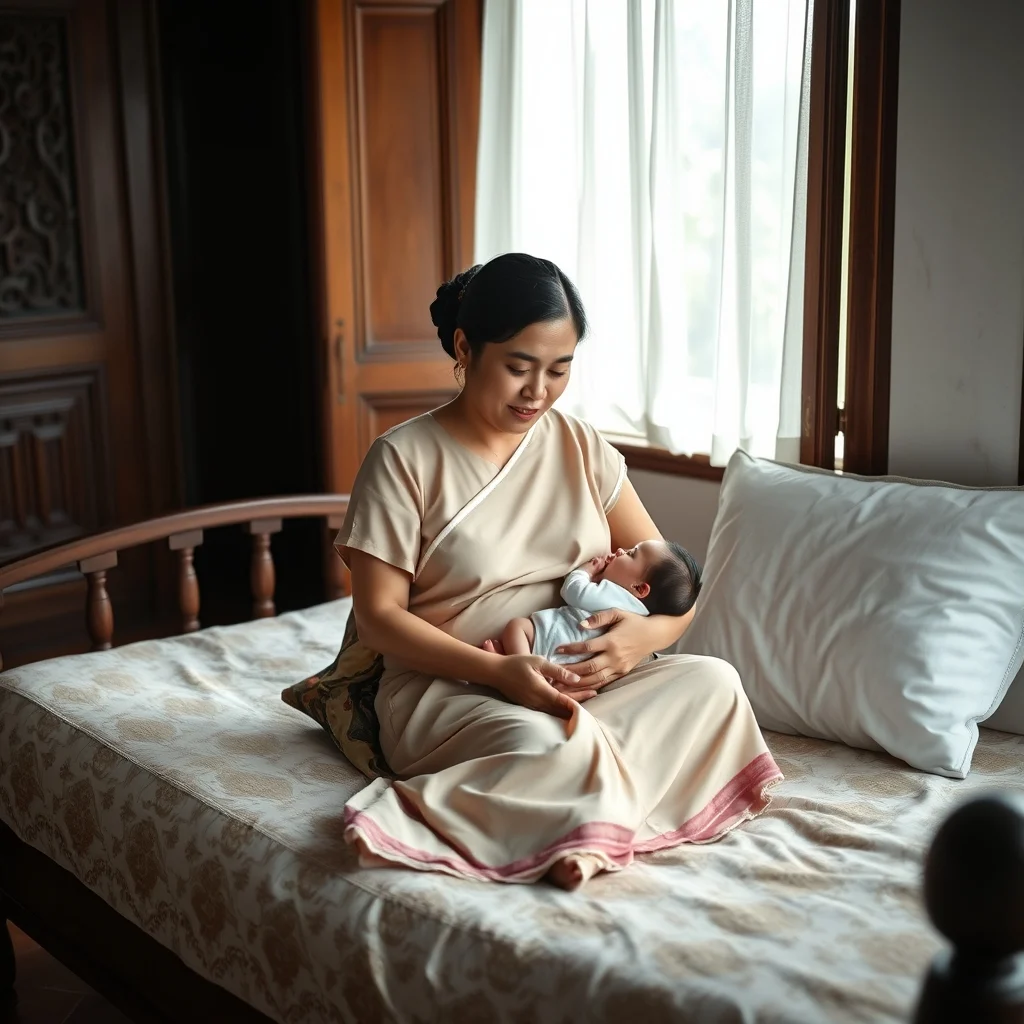
In Indonesia, postpartum recovery—known locally as the masa nifas—spans the first 40 to 42 days after childbirth, a period recognized by the Ministry of Health as critical for a mother’s physical and mental restoration. This phase involves a combination of modern medical care, traditional therapies, and nutritional adjustments to address recovery from childbirth complications, hormonal fluctuations, and the demands of breastfeeding. According to data from the Indonesian Demographic and Health Survey (IDHS) 2017, 51% of mothers in Indonesia give birth vaginally, while 49% undergo cesarean sections, each requiring distinct recovery protocols. The World Health Organization (WHO) recommends exclusive breastfeeding for the first six months, a practice that 72% of Indonesian mothers follow, though challenges such as cracked nipples, low milk supply, and postpartum depression (PPD) affect compliance.
Physical Recovery: Addressing Immediate Postpartum Needs
Postpartum physical recovery varies depending on the mode of delivery. For mothers who undergo cesarean sections, the Ministry of Health advises a six-week rest period before resuming strenuous activities, with wound care prioritizing cleanliness to prevent infections. Dr. Andi Khomeini, an obstetrician at Cipto Mangunkusumo Hospital in Jakarta, states, “Cesarean recovery requires strict adherence to hygiene protocols, as surgical site infections occur in approximately 3-5% of cases in Indonesia, often due to delayed wound cleaning or improper dressing changes.”
For vaginal births, perineal care is essential, particularly if episiotomies or tears occurred. The use of korset pasca melahirkan (postpartum corsets) is widespread in Indonesia, with 68% of new mothers reporting their use to support abdominal muscles, according to a 2022 study by the Indonesian Midwives Association (IBI). However, experts caution against prolonged use, as it may weaken core muscles if worn beyond the recommended four to six weeks.
Traditional Therapies: Jamu and Lulur in Postpartum Care
Traditional Indonesian therapies play a significant role in postpartum recovery. Jamu bersalin, a herbal drink made from turmeric, ginger, and tamarind, is consumed by 80% of postpartum mothers in Java and Sumatra to reduce inflammation and boost lactation, per a 2021 report by the Indonesian Institute of Sciences (LIPI). Similarly, lulur tradisional, a body scrub containing rice flour, turmeric, and pandan leaves, is applied to exfoliate the skin and improve circulation, a practice documented in Javanese royal traditions dating back to the 18th century.
Dr. Siti Nurjanah, a researcher at the Center for Traditional Medicine Studies (Pustra) in Yogyakarta, notes, “The efficacy of jamu in postpartum recovery is supported by its anti-inflammatory properties, though standardization of ingredients remains a challenge to ensure safety for breastfeeding mothers.”
Skincare and Hair Care for Breastfeeding Mothers
Postpartum hormonal changes often lead to skin issues such as stretch marks, hyperpigmentation, and acne. A 2023 survey by the Indonesian Dermatological Association found that 65% of new mothers experience stretch marks, with 40% seeking treatment using krim stretch mark aman (safe stretch mark creams) containing centella asiatica or vitamin E. However, dermatologists warn against products with retinoids or hydroquinone, which are unsafe during breastfeeding.
Hair loss is another common concern, affecting 50-60% of postpartum women due to hormonal shifts, particularly the drop in estrogen levels. The Indonesian Society of Obstetrics and Gynecology (POGI) recommends a diet rich in iron, zinc, and biotin to mitigate hair loss, alongside gentle hair care practices to prevent further damage.
Mental Health: Addressing Postpartum Depression
Postpartum depression (PPD) affects 10-15% of Indonesian mothers, according to a 2020 study published in the Journal of Affective Disorders. Risk factors include a history of depression, lack of social support, and financial stress. The Ministry of Health launched the Program Kesehatan Jiwa Ibu (Maternal Mental Health Program) in 2019, providing screening and counseling services in primary healthcare centers (puskesmas) across 12 provinces.
Psychologist Dr. Rini Hildayani from the University of Indonesia emphasizes, “Early intervention is critical, as untreated PPD can impair mother-infant bonding and lead to long-term developmental issues in children.”
Nutrition and Self-Care During the Postpartum Period
The masa nifas diet in Indonesia typically includes high-protein foods like fish, eggs, and tempeh, alongside sayur bening (clear vegetable soup) to aid digestion. The Ministry of Health recommends an additional 500 calories per day for breastfeeding mothers, with a focus on iron-rich foods to replenish blood loss during childbirth. A 2022 study by the Southeast Asian Ministers of Education Organization (SEAMEO) found that 70% of Indonesian mothers consume jamu kunyit asam (turmeric-tamarind drink) to enhance milk production, though excessive intake may cause gastrointestinal discomfort.
Self-care practices such as pijat oksitosin (oxytocin massage) are popular in Java and Bali, where trained therapists use gentle strokes to stimulate milk flow and reduce stress. The Indonesian Breastfeeding Mothers Association (AIMI) reports that 60% of mothers who receive oxytocin massages experience improved lactation within the first two weeks postpartum.
Exercise and Pelvic Floor Recovery
Pelvic floor exercises, such as Kegel exercises, are recommended to restore muscle tone after childbirth. A 2021 study by the Indonesian Physiotherapy Association found that 75% of women who performed Kegel exercises daily for six weeks reported reduced urinary incontinence. Additionally, postpartum yoga and senam nifas (postpartum gymnastics) are gaining popularity, with classes offered in urban centers like Jakarta, Bandung, and Surabaya.
The postpartum period is a transformative phase requiring a multifaceted approach to recovery. While modern medical guidelines provide a foundation for physical and mental healing, traditional practices offer cultural continuity and holistic support. As Indonesia continues to integrate evidence-based care with time-honored therapies, new mothers benefit from a recovery framework that addresses their unique physiological and emotional needs. The balance between innovation and tradition ensures that postpartum care remains both effective and deeply rooted in Indonesian heritage.
You may also like
-
Complete Guide to Choosing the Best Sunscreen for Your Skin Type
-
Bare Minimum Beauty: Simplify Your Routine Without Sacrificing Glow
-
2024 Pediatric Skin Care Alert: How to Safeguard Newborns from Common Dermatological Risks Using Clinically Validated Methods
-
Bare Minimum Beauty 2024: Indonesia’s Top Dupe Makeup and Skincare Picks That Deliver High-End Results at Budget Prices—Expert-Backed Affordable Alternatives for Every Routine
-
Indonesia’s Traditional Herbal Skincare: The Proven Benefits of Lulur, Jamu, and Organic Remedies in Modern Dermatological Practices