Indonesia’s centuries-old tradition of herbal skincare is experiencing a resurgence, driven by a global shift toward natural beauty solutions and a renewed appreciation for indigenous knowledge. From the royal courts of Java to modern urban households, remedies like lulur, turmeric masks, and bengkoang treatments are being validated by scientific research and adopted by international beauty brands. This movement, rooted in the archipelago’s biodiversity, addresses concerns about chemical-laden products while preserving cultural heritage. Studies show that 68% of Indonesian women now incorporate at least one traditional skincare practice into their routines, according to a 2023 survey by the Indonesian Cosmetics Association (PERKOSMI).
The Historical Roots of Indonesian Herbal Skincare
Traditional Indonesian skincare dates back over a thousand years, with written records of herbal remedies appearing in ancient Javanese manuscripts such as the Serat Centhini (1814) and Kakawin Ramayana (9th century). The lulur, a body scrub made from rice flour, turmeric, and sandalwood, originated in the palaces of Yogyakarta and Solo as a pre-wedding ritual for brides. Historical accounts describe how these treatments were used to cleanse, brighten, and soften the skin, often accompanied by jamu (herbal tonics) to enhance internal health.
Dr. Retno Iswari Tranggono, a dermatologist and founder of the Indonesian Society of Cosmetic Dermatology, explains, “The efficacy of these remedies lies in their phytochemical compounds. Turmeric, for example, contains curcumin, a potent anti-inflammatory and antioxidant that has been scientifically proven to reduce hyperpigmentation and acne.” Her research, published in the Journal of Ethnopharmacology (2021), highlights how traditional ingredients align with modern dermatological principles.
The Science Behind Key Traditional Ingredients
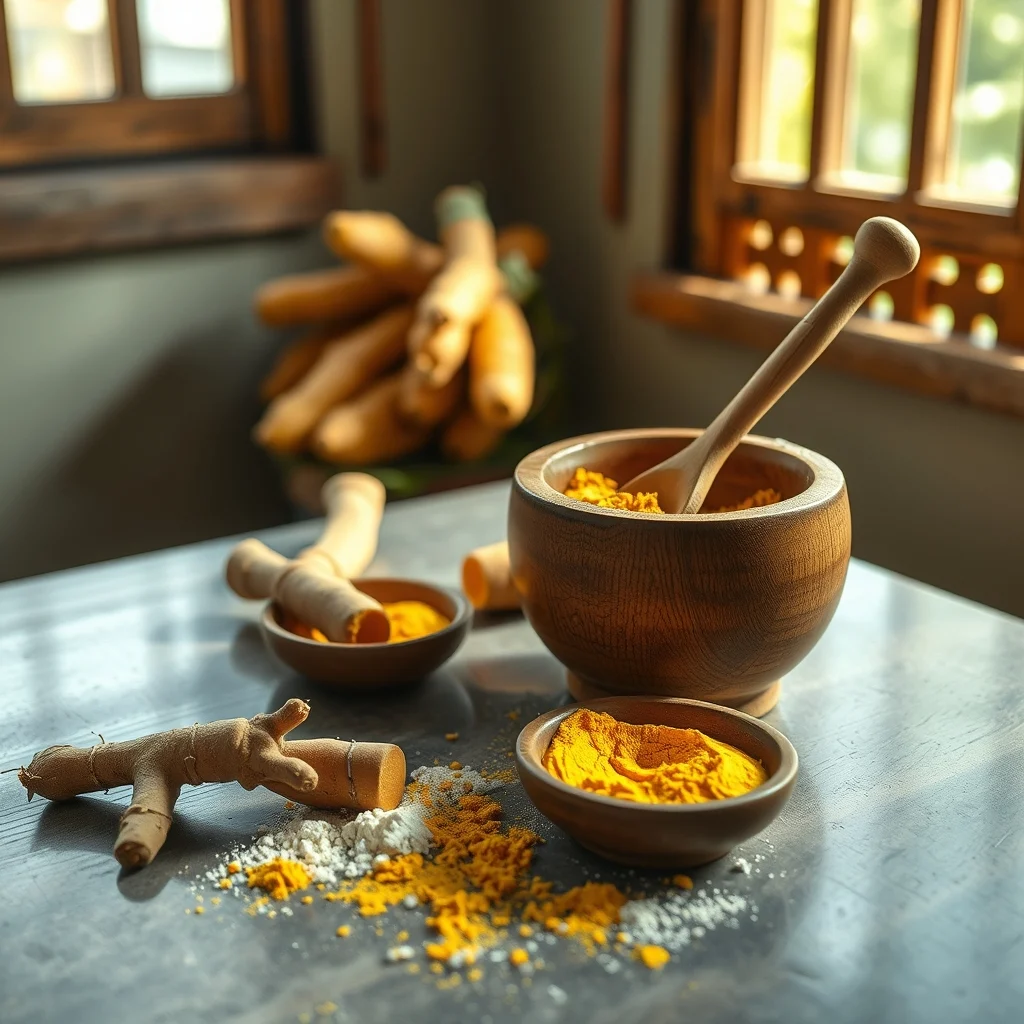
Turmeric (Curcuma longa), a staple in Indonesian skincare, is rich in curcuminoids, which inhibit melanin production and accelerate wound healing. A 2022 study by the University of Indonesia found that a turmeric-based mask reduced acne lesions by 45% in participants after eight weeks of use. Similarly, bengkoang (jicama), a tuber native to Mexico but widely cultivated in Java, contains oligofructose, a prebiotic that promotes skin hydration and brightening.
Rice bran, another common ingredient, is packed with ferulic acid and vitamin E, which protect against UV damage and improve skin elasticity. The lulur Jawa klasik, a blend of rice flour, turmeric, and pandan leaves, has been shown to exfoliate dead skin cells while maintaining the skin’s natural pH balance. These findings are corroborated by a 2020 report from the Indonesian Institute of Sciences (LIPI), which identified over 150 plant species used in traditional skincare across the archipelago.
Modern Adaptations and Global Influence
In recent years, Indonesian herbal skincare has gained traction beyond local markets. Brands like Sariayu, Mustika Ratu, and Wardah have reformulated traditional recipes into contemporary products, such as sheet masks, serums, and cleansers. Mustika Ratu, founded in 1975, now exports its lulur and jamu-infused products to over 20 countries, including the United States and Japan. The company’s revenue grew by 18% in 2023, reflecting rising demand for natural alternatives.
International brands have also taken notice. In 2022, French luxury skincare line Sisley Paris launched a turmeric-based brightening serum, citing Indonesian traditional medicine as inspiration. Similarly, Korean beauty giant Innisfree introduced a bengkoang line in 2021, capitalizing on the tuber’s popularity in Southeast Asia. These developments underscore the global appeal of Indonesia’s herbal skincare heritage.
Preserving Cultural Heritage Amid Commercialization
While commercialization has expanded the reach of traditional skincare, it has also raised concerns about cultural appropriation and sustainability. Dr. Maria Ulfah, an ethnobotanist at Gadjah Mada University, warns, “The commercialization of jamu and lulur must be balanced with respect for their cultural origins. Many recipes are passed down through generations, and their misuse can dilute their significance.” She advocates for fair trade practices and the inclusion of local communities in the production process.
Efforts to preserve traditional knowledge are underway. The Indonesian Ministry of Education, Culture, Research, and Technology has documented over 5,000 herbal recipes since 2019, with a focus on skincare formulations. Additionally, the Jamu Presidium, a non-profit organization, works with rural farmers to cultivate medicinal plants sustainably. These initiatives aim to ensure that Indonesia’s skincare heritage remains accessible and authentic.
DIY Herbal Skincare: Recipes for Home Use
For those interested in incorporating traditional Indonesian skincare into their routines, several simple recipes can be made at home. A basic turmeric mask, for example, combines one tablespoon of turmeric powder with two tablespoons of honey and one tablespoon of yogurt. Applied weekly, it can reduce inflammation and brighten the skin. Another popular remedy is the masker beras tradisional, made from rice water and a few drops of lemon juice, which acts as a gentle exfoliant and toner.
The lulur can also be recreated using rice flour, turmeric, and coconut oil. This mixture is massaged onto damp skin in circular motions before being rinsed off, leaving the skin smooth and radiant. These DIY treatments offer an affordable and chemical-free alternative to commercial products, aligning with the growing trend of clean beauty.
As the world increasingly turns to nature for skincare solutions, Indonesia’s traditional remedies stand out for their efficacy, cultural depth, and sustainability. From the royal palaces of Java to modern laboratories, these age-old practices continue to evolve, proving that beauty is not just skin-deep but rooted in history, science, and the wisdom of the past. The global embrace of these remedies reflects a broader recognition of the value of indigenous knowledge, ensuring that Indonesia’s skincare heritage remains relevant for generations to come.
You may also like
-
Complete Guide to Choosing the Best Sunscreen for Your Skin Type
-
Bare Minimum Beauty: Simplify Your Routine Without Sacrificing Glow
-
2024 Pediatric Skin Care Alert: How to Safeguard Newborns from Common Dermatological Risks Using Clinically Validated Methods
-
Bare Minimum Beauty 2024: Indonesia’s Top Dupe Makeup and Skincare Picks That Deliver High-End Results at Budget Prices,Expert-Backed Affordable Alternatives for Every Routine
-
Indonesia’s Traditional Herbal Skincare: The Proven Benefits of Lulur, Jamu, and Organic Remedies in Modern Dermatological Practices