Introduction: The Quiet Authority of Beauty
The world of beauty supply operates with a quiet yet undeniable authority. It shapes perceptions, influences identities, and fuels industries that stretch across continents. What appears, at surface level, to be a simple marketplace of cosmetics and personal care items is, in truth, a deeply layered ecosystem—rich with cultural nuance, scientific innovation, and emotional resonance.
It is not merely about appearance. It is about articulation.
Short rituals define mornings. Long transformations define lives.
Within this realm, every product tells a story, and every consumer becomes both narrator and protagonist.
Origins and Evolution: From Ritualistic Roots to Global Industry
Long before the emergence of structured beauty supply chains, ancient societies engaged in intricate beauty rituals. These practices were often imbued with symbolic meaning.
In ancient Egypt, oils and pigments were used not only for aesthetic enhancement but for spiritual protection. In classical India, herbal concoctions served dual purposes—cosmetic and medicinal. Across East Asia, beauty regimens emphasized harmony, balance, and longevity.
As trade routes expanded, these localized practices began to intersect. Ingredients traveled. Techniques evolved. Eventually, the industrial age introduced scalability, transforming artisanal traditions into mass-produced goods.
Thus emerged the modern beauty supply industry—an amalgamation of heritage and innovation.
The Architecture of a Beauty Supply Environment
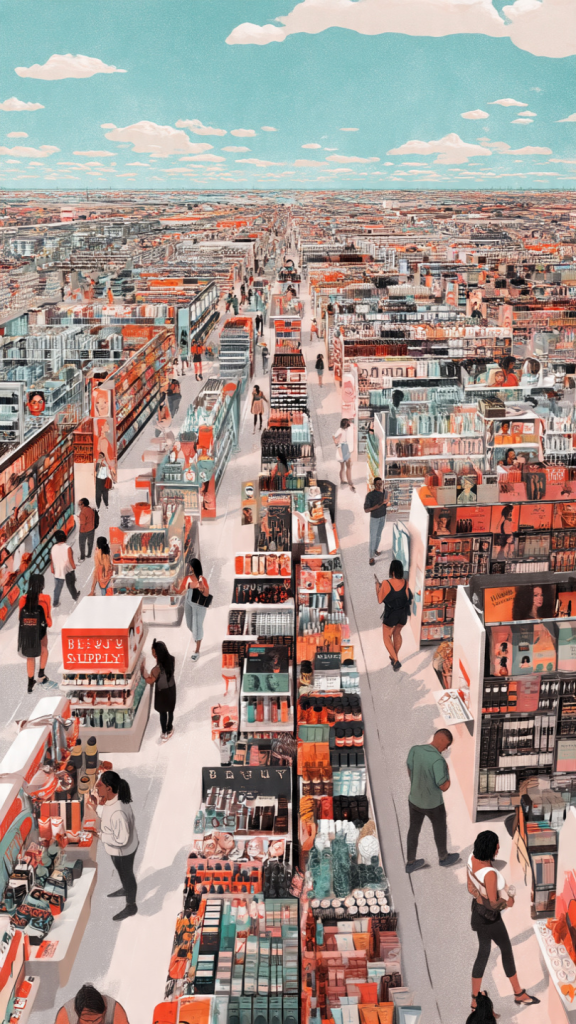
A well-curated beauty supply store is a study in precision. Every shelf, every display, every product placement is intentional. It is both a retail space and a sensory environment.
Product Spectrum
The diversity within a beauty supply inventory is staggering:
- Haircare: hydrating shampoos, reconstructive conditioners, scalp elixirs
- Skincare: serums, toners, exfoliants, occlusive creams
- Cosmetics: foundations, blushes, mascaras, contour palettes
- Tools: applicators, dermal rollers, thermal stylers
- Accessories: wigs, extensions, cosmetic organizers
Each category serves a distinct purpose, yet collectively they form a cohesive narrative of self-care and expression.
Sensory Engagement
The beauty supply experience is inherently multisensory. Visual allure draws attention. Fragrance captivates. Texture invites interaction.
This sensory orchestration transforms routine shopping into an immersive journey.
Cultural Significance: Identity in Every Aisle
Few industries engage with identity as intimately as beauty supply. Products are not neutral; they are designed with specific textures, tones, and traditions in mind.
Historically, many mainstream markets failed to adequately represent diverse populations. This gap gave rise to specialized beauty supply stores that cater to unique cultural needs—particularly in haircare and skincare.
These spaces are more than commercial entities. They are affirmations of identity.
They say: you belong.
The Psychology of Beauty Consumption
Consumer behavior within the beauty supply domain is both intricate and fascinating. Purchases are rarely driven by necessity alone.
A single product can embody aspiration. A routine can symbolize discipline.
Short decisions carry emotional weight. Long-term use builds attachment.
Key psychological drivers include:
- Self-enhancement: the desire to improve or refine one’s appearance
- Emotional regulation: using beauty rituals as a form of self-care
- Social influence: trends, peer recommendations, and media exposure
The act of engaging with beauty supply products often transcends functionality, entering the realm of personal narrative.
The Digital Renaissance
The digital transformation of beauty supply has redefined accessibility and engagement. Online platforms now offer vast selections, detailed reviews, and personalized recommendations.
Technological advancements have introduced:
- Augmented reality for virtual product trials
- AI-driven skincare diagnostics
- Data-informed customization
Yet, despite this digital proliferation, physical beauty supply stores retain a unique charm. The tactile experience—the ability to test, to feel, to explore—remains irreplaceable.
The future lies in synthesis. Digital precision meets physical intimacy.
Ingredient Transparency and Scientific Advancement
Modern consumers approach beauty supply with increasing discernment. Ingredient lists are scrutinized. Claims are questioned.
This shift has catalyzed a movement toward transparency and efficacy. Products now emphasize scientifically validated ingredients such as:
- Hyaluronic acid for hydration
- Retinoids for cellular turnover
- Peptides for structural support
The rise of “clean beauty” further underscores this trend, prioritizing formulations that exclude certain controversial substances.
In this evolving landscape, knowledge is power.
Entrepreneurship: Innovation at the Margins
The beauty supply industry thrives on innovation, much of which originates from independent entrepreneurs. These individuals often identify gaps in the market and develop products that address specific needs.
Their contributions are marked by:
- Authenticity
- Agility
- Cultural relevance
Small brands have disrupted traditional hierarchies, gaining prominence through digital platforms and community engagement.
This democratization enriches the beauty supply ecosystem, fostering diversity and creativity.
Challenges and Ethical Considerations
Despite its vibrancy, the beauty supply industry faces notable challenges:
- Counterfeit products compromising safety
- Supply chain disruptions affecting availability
- Ethical concerns regarding sourcing and labor practices
- Cultural appropriation and misrepresentation
Addressing these issues requires collective accountability. Transparency and integrity must guide every stage of production and distribution.
The Linguistics of Beauty
Language plays a pivotal role in the beauty supply industry. Product descriptions are crafted with precision, blending scientific terminology with evocative imagery.
Words like “radiance,” “renewal,” and “transformation” are not accidental. They are designed to resonate emotionally.
Short phrases entice. Longer narratives persuade.
This linguistic strategy transforms products into experiences, inviting consumers to envision new possibilities.
Education and Expertise
An informed consumer is an empowered one. Within the beauty supply ecosystem, education is increasingly prioritized.
Retailers and brands offer:
- Tutorials and demonstrations
- Personalized consultations
- Detailed product information
This emphasis on knowledge enhances trust and fosters long-term relationships.
Learning becomes part of the journey.
Globalization: A Confluence of Traditions
The globalization of beauty supply has introduced a rich tapestry of influences. Techniques and ingredients from diverse cultures now coexist within a single marketplace.
Korean skincare emphasizes layering and hydration. African traditions celebrate natural oils and botanical richness. European approaches often prioritize minimalism and elegance.
This cross-cultural exchange drives innovation while broadening consumer perspectives.
However, it also necessitates respect. Cultural origins must be acknowledged and honored.
Sustainability: The Imperative of Responsibility
Environmental consciousness is reshaping the beauty supply industry. Consumers increasingly demand sustainable practices.
Key initiatives include:
- Recyclable and biodegradable packaging
- Refillable product systems
- Ethical sourcing of ingredients
- Reduction of waste and emissions
Sustainability is no longer optional. It is a defining feature of responsible beauty supply operations.
Personalization: The Rise of Bespoke Beauty
Personalization represents the frontier of beauty supply innovation. Advances in technology enable the creation of products tailored to individual needs.
Customized skincare regimens. Adaptive cosmetics. Data-driven recommendations.
These developments acknowledge a fundamental truth: beauty is inherently personal.
No universal solution exists.
Emotional Resonance: Beyond the Surface
The impact of beauty supply extends beyond physical appearance. It influences self-esteem, confidence, and emotional well-being.
A new product can signify a fresh start. A consistent routine can provide stability.
Small actions. Significant effects.
These experiences accumulate, shaping how individuals perceive themselves and interact with the world.
The Future of Beauty Supply
The trajectory of beauty supply points toward continued evolution. Emerging trends suggest:
- Integration of biotechnology for advanced formulations
- Expansion of inclusive product offerings
- Increased reliance on artificial intelligence
- Greater emphasis on sustainability and ethics
The industry will continue to adapt, reflecting both technological advancements and cultural shifts.
Yet its essence remains unchanged.
Conclusion: A Living, Breathing Industry
The world of beauty supply is dynamic, multifaceted, and deeply human. It is an industry that bridges science and artistry, commerce and culture, individuality and community.
It is not merely about products. It is about possibility.
Short routines shape days. Long journeys shape identities.
Within the expansive realm of beauty supply, individuals find tools to express themselves, to transform, and to connect with their own evolving sense of self.
You may also like
-
Complete Guide to Choosing the Best Sunscreen for Your Skin Type
-
Bare Minimum Beauty: Simplify Your Routine Without Sacrificing Glow
-
2024 Pediatric Skin Care Alert: How to Safeguard Newborns from Common Dermatological Risks Using Clinically Validated Methods
-
Bare Minimum Beauty 2024: Indonesia’s Top Dupe Makeup and Skincare Picks That Deliver High-End Results at Budget Prices—Expert-Backed Affordable Alternatives for Every Routine
-
Indonesia’s Traditional Herbal Skincare: The Proven Benefits of Lulur, Jamu, and Organic Remedies in Modern Dermatological Practices