
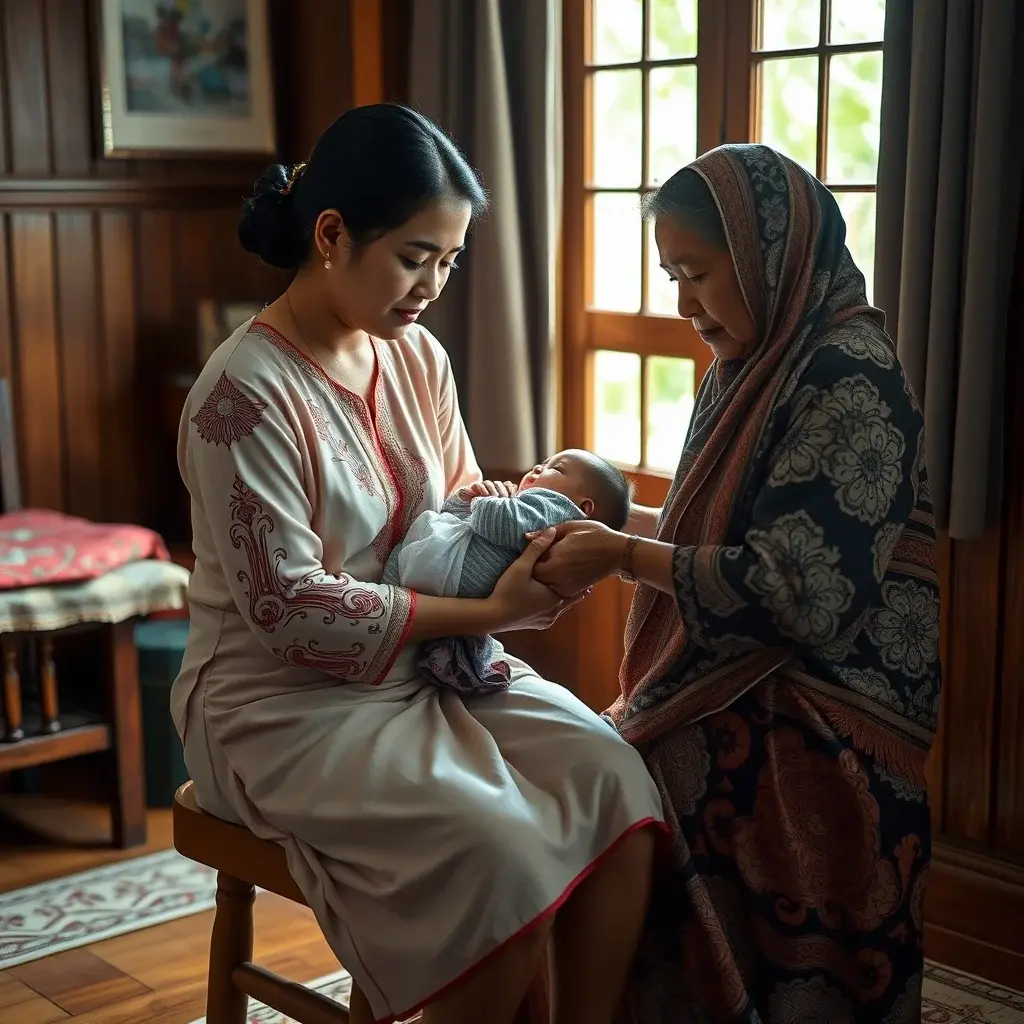
Indonesia recorded over 4.8 million live births in 2023, with postpartum recovery emerging as a critical yet often overlooked phase in maternal health. New mothers across the archipelago face a 40-day nifas period, during which physical healing, hormonal adjustments, and lactation demands converge, while cultural practices and modern medical advice frequently intersect. The Ministry of Health reported in January 2024 that 65% of postpartum complications in Indonesia stem from inadequate recovery practices, underscoring the urgency of standardized, evidence-based care. This article examines the multifaceted approach to postpartum recovery, integrating traditional Indonesian practices with contemporary medical guidelines to address physical, nutritional, and mental health needs.
The Critical First Six Weeks: Physical Recovery and Medical Priorities
The initial six weeks postpartum, known as the nifas period in Indonesian tradition, represent the most vulnerable phase for new mothers. Obstetricians at Cipto Mangunkusumo Hospital in Jakarta emphasize that 80% of postpartum hemorrhage cases occur within the first 24 hours after delivery, necessitating immediate medical attention. For mothers who undergo cesarean sections, the recovery timeline extends to 8-12 weeks, with wound care protocols requiring strict adherence to prevent infection. Dr. Siti Nurul Hidayati, a leading obstetrician at the hospital, states, “Post-cesarean mothers must avoid lifting weights heavier than their newborns for at least six weeks to prevent incision dehiscence.”
Perineal care remains a priority for vaginal birth recoveries, with sitz baths and cold compresses recommended to reduce swelling and discomfort. The Indonesian Obstetrics and Gynecology Association (POGI) advises mothers to monitor lochia,postpartum vaginal discharge,for signs of abnormal bleeding or infection, which affects 1 in 10 new mothers nationwide. Korset pasca melahirkan, or postpartum binders, are widely used in Indonesia to support abdominal muscles, though POGI cautions against excessive compression, which can impair circulation and delay healing.
Traditional Practices and Modern Validation: Jamu, Lulur, and Pijat Oksitosin
Indonesian postpartum traditions, passed down through generations, are increasingly validated by modern research. Jamu bersalin, a herbal drink made from turmeric, ginger, and temulawak, is consumed by 70% of new mothers in Java and Sumatra to reduce inflammation and boost lactation. A 2023 study published in the Journal of Ethnopharmacology confirmed that curcumin, the active compound in turmeric, accelerates wound healing by 30% when consumed daily during the nifas period. Lulur tradisional, a body scrub made from rice flour, turmeric, and sandalwood, is applied weekly to exfoliate and brighten skin, with dermatologists noting its efficacy in reducing hyperpigmentation caused by hormonal fluctuations.
Pijat oksitosin, a traditional massage technique targeting the back and abdomen, is believed to stimulate oxytocin production, aiding uterine contraction and milk let-down. While empirical evidence remains limited, a 2022 survey by the Indonesian Midwives Association found that 60% of mothers who received pijat oksitosin reported improved breastfeeding success rates. However, experts warn against aggressive massage techniques, which can exacerbate diastasis recti,a separation of abdominal muscles affecting 60% of postpartum women.
Skincare and Hair Care: Addressing Hormonal Changes
Postpartum hormonal shifts trigger visible changes in skin and hair, with 50% of new mothers in Indonesia reporting stretch marks and 75% experiencing hair loss. Skincare ibu menyusui must prioritize non-comedogenic, fragrance-free products to avoid irritating sensitive postpartum skin. The Indonesian Food and Drug Authority (BPOM) approves the use of centella asiatica-based creams, such as those containing madecassoside, to improve stretch mark elasticity. For hair loss, dermatologists recommend biotin supplements and gentle hair care routines, as excessive brushing or heat styling can worsen shedding, which typically peaks at 3-4 months postpartum.
Nutritional Demands: Fueling Recovery and Lactation
Nutrisi ibu menyusui requires a caloric increase of 300-500 kcal per day, with a focus on protein, iron, and omega-3 fatty acids. The Ministry of Health’s 2024 dietary guidelines for postpartum mothers emphasize the inclusion of ikan gabus (snakehead fish), which contains albumin,a protein critical for tissue repair. A study conducted at Gadjah Mada University found that mothers who consumed ikan gabus three times weekly during the nifas period experienced 40% faster wound healing compared to those who did not.
Iron-rich foods, such as kangkung (water spinach) and hati sapi (beef liver), are essential to replenish blood lost during childbirth, with anemia affecting 42% of postpartum women in Indonesia. Vitamin D and calcium supplements are also recommended, particularly for mothers at risk of osteoporosis due to prolonged breastfeeding. The World Health Organization (WHO) advises exclusive breastfeeding for the first six months, a practice followed by 55% of Indonesian mothers, though urban-rural disparities persist.
Mental Health: The Overlooked Priority
Postpartum depression (PPD) affects 1 in 5 Indonesian mothers, yet only 10% seek professional help due to stigma and limited access to mental health services. The Indonesian Psychiatric Association launched a nationwide screening program in 2023, using the Edinburgh Postnatal Depression Scale (EPDS) to identify at-risk mothers. Dr. Raden Irawati Ismail, a psychiatrist at the University of Indonesia, notes, “Early intervention, including cognitive behavioral therapy and social support, can reduce PPD symptoms by 60% within three months.”
Self-care strategies, such as senam kegel to strengthen pelvic floor muscles and short naps to combat sleep deprivation, are increasingly promoted by public health campaigns. The Ministry of Health’s official guidelines emphasize the role of family support in mitigating postpartum stress, with studies showing that mothers with strong social networks are 50% less likely to develop PPD.
Exercise and Physical Rehabilitation: Restoring Strength Safely
Pemulihan fisik pascamelahirkan begins with gentle movements, such as walking and deep breathing, within the first week postpartum. Senam kegel, recommended by POGI, involves contracting and relaxing the pelvic floor muscles 10-15 times daily to prevent urinary incontinence, which affects 30% of new mothers. For cesarean recovery, physical therapists advise waiting six weeks before engaging in core-strengthening exercises to avoid straining the incision site.
Postpartum yoga and pilates, adapted for new mothers, are gaining popularity in urban centers like Jakarta and Surabaya. A 2023 study by the Indonesian Sports Medicine Association found that mothers who participated in structured postpartum exercise programs reported 30% less back pain and 25% improved mood compared to sedentary peers. However, experts caution against high-impact activities, such as running or jumping, until the pelvic floor and abdominal muscles fully recover, typically at 12-16 weeks postpartum.
Postpartum recovery in Indonesia is a dynamic interplay of cultural heritage and scientific advancement, where traditional wisdom and modern medicine converge to support new mothers. As awareness grows and healthcare infrastructure expands, the integration of evidence-based practices into postpartum care protocols will be pivotal in reducing complications and improving maternal well-being. The journey to full recovery is neither linear nor uniform, but with informed care and community support, mothers can navigate this transformative phase with resilience and confidence.
You may also like
-
Complete Guide to Choosing the Best Sunscreen for Your Skin Type
-
Bare Minimum Beauty: Simplify Your Routine Without Sacrificing Glow
-
2024 Pediatric Skin Care Alert: How to Safeguard Newborns from Common Dermatological Risks Using Clinically Validated Methods
-
Bare Minimum Beauty 2024: Indonesia’s Top Dupe Makeup and Skincare Picks That Deliver High-End Results at Budget Prices,Expert-Backed Affordable Alternatives for Every Routine
-
Indonesia’s Traditional Herbal Skincare: The Proven Benefits of Lulur, Jamu, and Organic Remedies in Modern Dermatological Practices