
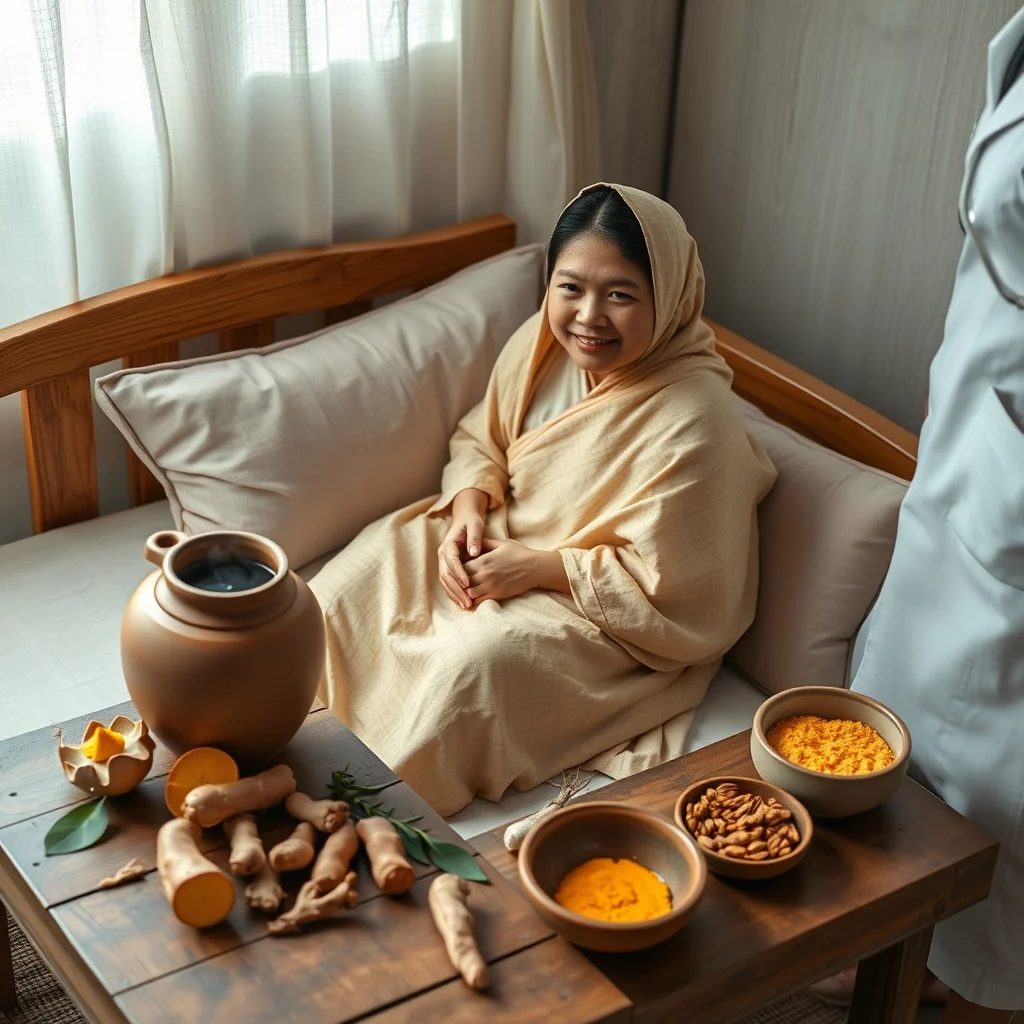
Indonesia has seen a growing emphasis on postpartum care, with new mothers increasingly adopting both traditional and modern practices to ensure physical and mental recovery after childbirth. According to the Indonesian Ministry of Health, approximately 5 million women give birth annually, with postpartum complications affecting up to 30% of mothers, particularly in rural areas where access to healthcare remains limited. Postpartum recovery, or the nifas period, spans the first 40 days after delivery, a critical window for healing, breastfeeding, and emotional adjustment. This article explores evidence-based and culturally rooted strategies for postpartum care, including skincare, nutrition, physical recovery, and mental health support, tailored to the needs of Indonesian mothers.
Understanding the Postpartum Period: Risks and Recovery Timelines
The postpartum period, commonly referred to as nifas in Indonesia, begins immediately after childbirth and lasts for six to eight weeks, though full recovery may take up to a year. The World Health Organization (WHO) identifies this phase as high-risk for complications such as hemorrhage, infection, and postpartum depression, which affect 10-15% of mothers globally. In Indonesia, the Ministry of Health reported in 2022 that postpartum hemorrhage remains the leading cause of maternal mortality, accounting for 30.3% of deaths, particularly in regions like East Nusa Tenggara and Papua.
Recovery timelines vary depending on the delivery method. Vaginal births typically require 4-6 weeks for physical healing, while cesarean sections (C-sections) demand 6-8 weeks due to surgical wound care. Dr. Andi Khairunnisa, an obstetrician at Cipto Mangunkusumo Hospital in Jakarta, states, “The first two weeks are the most critical for monitoring bleeding, infection, and emotional well-being. Mothers should prioritize rest, hydration, and gradual reintroduction of physical activity.” The Indonesian government’s Program Kesehatan Ibu dan Anak (Maternal and Child Health Program) recommends at least four postnatal check-ups within the first six weeks to mitigate risks.
Traditional Postpartum Practices: Balancing Culture and Science
Indonesia’s rich cultural heritage includes time-honored postpartum rituals designed to restore a mother’s strength and vitality. One of the most widespread practices is the consumption of jamu bersalin, a herbal drink made from turmeric, ginger, tamarind, and other spices believed to cleanse the uterus and boost lactation. A 2021 study published in the Journal of Ethnopharmacology found that turmeric-based jamu contains curcumin, which exhibits anti-inflammatory and antimicrobial properties, potentially aiding postpartum recovery.
Another traditional practice is lulur, a body scrub made from rice flour, turmeric, and coconut oil, applied to exfoliate and brighten the skin. While lulur is primarily cosmetic, its ingredients are rich in antioxidants and vitamins, which may help reduce stretch marks and improve skin elasticity. However, experts caution against excessive use of certain herbs, such as kunyit asam, which may interact with medications or irritate sensitive postpartum skin. “Traditional remedies can complement modern care, but mothers should consult healthcare providers to avoid adverse effects,” advises Dr. Siti Nurul Hidayati, a dermatologist at Gadjah Mada University.
Postpartum Massage and Binding Techniques
Pijat oksitosin, or oxytocin massage, is a traditional Indonesian practice aimed at stimulating uterine contractions, reducing swelling, and promoting milk production. Performed by trained dukun bayi (traditional birth attendants), the massage involves gentle pressure on the abdomen, back, and breasts. A 2020 study in the Indonesian Journal of Public Health reported that 68% of mothers in Central Java who received pijat oksitosin experienced reduced postpartum bleeding and improved breastfeeding outcomes.
Postpartum binding, using a korset (corset) or gurita (abdominal wrap), is another common practice believed to support the abdomen and improve posture. While binding can provide temporary comfort, the American College of Obstetricians and Gynecologists (ACOG) warns that excessive compression may weaken core muscles or exacerbate diastasis recti (abdominal separation). “Binding should be loose and used for short periods, ideally under professional guidance,” recommends physiotherapist Ika Wijayanti, founder of the Postpartum Recovery Center in Bandung.
Skincare and Physical Recovery: Addressing Common Concerns
Postpartum skin changes, including stretch marks, hyperpigmentation, and acne, affect up to 90% of new mothers, according to a 2023 survey by the Indonesian Dermatological Association. Stretch marks, or striae gravidarum, occur due to rapid skin stretching during pregnancy and are most common on the abdomen, breasts, and thighs. While no treatment can fully eliminate stretch marks, topical creams containing hyaluronic acid, centella asiatica, or retinoids (for non-breastfeeding mothers) may improve their appearance. The Indonesian Food and Drug Authority (BPOM) has approved several stretch mark creams, such as ScarLess and Mama’s Choice, for safe use during breastfeeding.
Hair loss, another common postpartum issue, affects 40-50% of mothers due to hormonal fluctuations, particularly the drop in estrogen levels. The condition, known as telogen effluvium, typically peaks three to four months after delivery and resolves within six to twelve months. Nutritionist Dr. Rita Ramayulis emphasizes, “A diet rich in iron, zinc, and vitamins B and D can mitigate hair loss. Foods like spinach, eggs, and salmon are excellent choices for breastfeeding mothers.” The Indonesian Nutrition Association recommends a daily intake of 2,500 calories for breastfeeding mothers, with an additional 500 calories during the first six months postpartum.
Pelvic Floor Rehabilitation and Exercise
Pelvic floor dysfunction, including urinary incontinence and pelvic organ prolapse, affects 30-50% of postpartum women, according to a 2022 study in the Journal of Women’s Health Physical Therapy. Kegel exercises, which involve contracting and relaxing the pelvic floor muscles, are widely recommended to restore strength and prevent long-term complications. The Indonesian Society of Obstetrics and Gynecology (POGI) advises starting Kegel exercises within 24 hours of vaginal delivery, with gradual progression to more intensive routines like yoga or Pilates after six weeks.
For mothers recovering from C-sections, gentle walking and deep breathing exercises are encouraged within the first week, followed by core-strengthening activities after eight weeks. A 2021 clinical trial at Dr. Sardjito Hospital in Yogyakarta found that mothers who engaged in supervised postpartum exercise programs reported 40% faster recovery of abdominal muscle function compared to those who did not.
Nutrition and Mental Health: Foundations of Postpartum Well-Being
Postpartum nutrition plays a pivotal role in recovery, lactation, and mental health. The Indonesian Ministry of Health’s Pedoman Gizi Seimbang (Balanced Nutrition Guidelines) recommends a diet rich in protein, complex carbohydrates, and healthy fats for new mothers. Key nutrients include omega-3 fatty acids (found in fish and flaxseeds), calcium (dairy or fortified plant-based alternatives), and folate (leafy greens and legumes). A 2023 report by UNICEF Indonesia highlighted that 22% of postpartum mothers in rural areas suffer from anemia, underscoring the need for iron-rich foods like beef liver, tofu, and tempeh.
Mental health challenges, particularly postpartum depression (PPD), affect 1 in 7 mothers in Indonesia, according to a 2022 study by the University of Indonesia. Risk factors include a history of depression, lack of social support, and financial stress. The Indonesian Psychiatric Association recommends screening for PPD during postnatal visits, with interventions ranging from cognitive behavioral therapy to medication for severe cases. “Social support networks, including family and community groups, are crucial for preventing and managing postpartum depression,” notes psychologist Dr. Lina Budiyanti, founder of the Ibu Sehat Jiwa (Healthy Mother, Healthy Mind) initiative.
Self-Care and Support Systems
Self-care practices, such as adequate sleep, hydration, and stress management, are essential for postpartum recovery. The Indonesian tradition of pantangan (postpartum restrictions), which includes dietary and activity limitations, is often balanced with modern self-care strategies like mindfulness and gentle exercise. A 2023 survey by the Indonesian Midwives Association found that mothers who practiced self-care routines reported 30% higher energy levels and 25% lower stress scores.
Support systems, including family, healthcare providers, and peer groups, play a critical role in postpartum recovery. The Program Bidan Desa (Village Midwife Program), launched in 2015, has improved access to postpartum care in remote areas, with over 10,000 midwives deployed across Indonesia. Online communities, such as Ibu Sehat and Komunitas Menyusui Indonesia, also provide platforms for mothers to share experiences and seek advice. For more information on postpartum care, visit the WHO Indonesia’s guidelines.
Postpartum recovery is a multifaceted journey that requires a blend of traditional wisdom, modern medicine, and personalized care. By prioritizing physical healing, nutrition, mental health, and support systems, new mothers in Indonesia can navigate this transformative period with greater resilience and well-being. The integration of evidence-based practices with cultural traditions ensures that recovery is not only effective but also meaningful, fostering a sense of empowerment and connection for mothers across the archipelago.
You may also like
-
Complete Guide to Choosing the Best Sunscreen for Your Skin Type
-
Bare Minimum Beauty: Simplify Your Routine Without Sacrificing Glow
-
2024 Pediatric Skin Care Alert: How to Safeguard Newborns from Common Dermatological Risks Using Clinically Validated Methods
-
Bare Minimum Beauty 2024: Indonesia’s Top Dupe Makeup and Skincare Picks That Deliver High-End Results at Budget Prices,Expert-Backed Affordable Alternatives for Every Routine
-
Indonesia’s Traditional Herbal Skincare: The Proven Benefits of Lulur, Jamu, and Organic Remedies in Modern Dermatological Practices