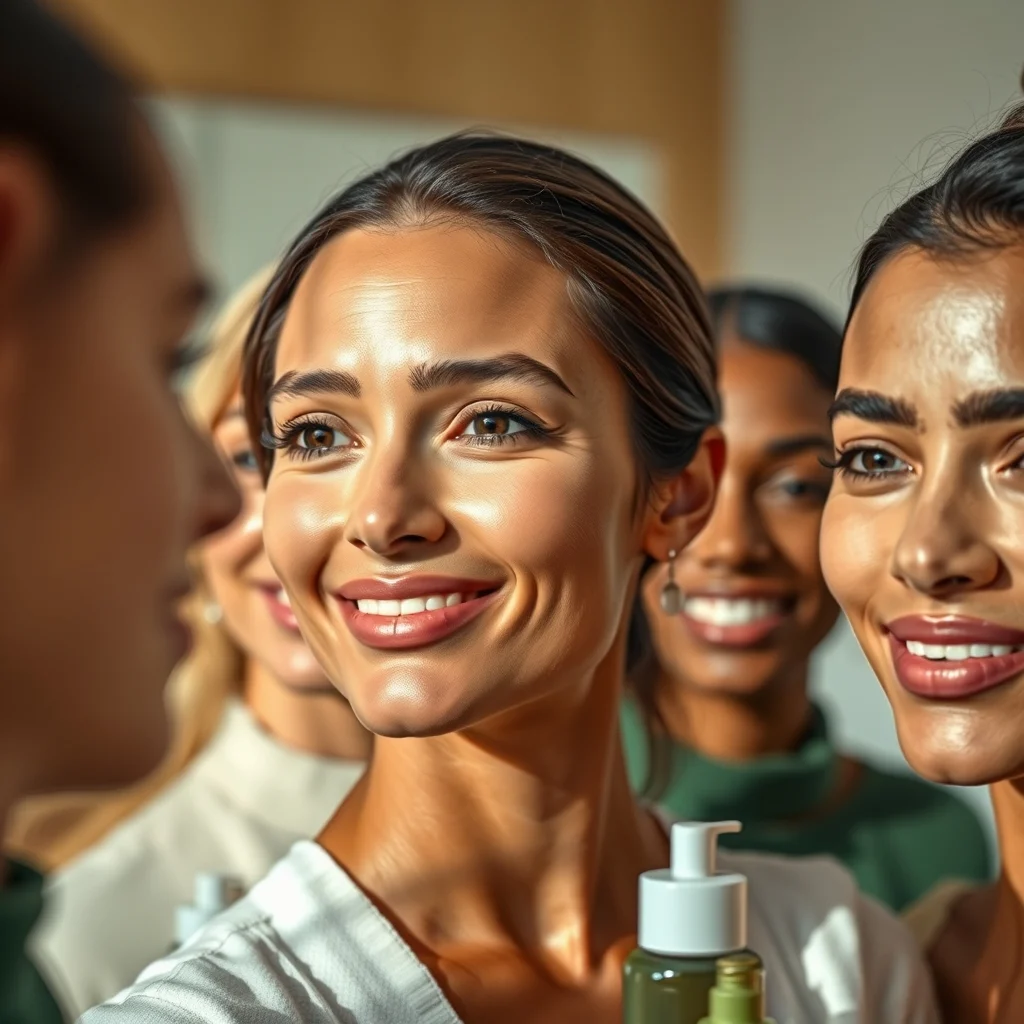
Imagine waking up every morning to a complexion so glowing, people ask if you’ve discovered the fountain of youth. The truth is, achieving radiant skin isn’t about magic potions or expensive treatments—it’s about understanding the science of beauty & skincare and committing to a routine that works for your unique needs. Whether you’re battling dryness, oiliness, or the first signs of aging, the right approach can transform your skin from dull to dazzling in just a few weeks.
The Foundation of Flawless Skin: Cleansing Done Right
Your skincare journey begins with a clean slate—literally. Cleansing is the cornerstone of any effective beauty & skincare regimen, yet it’s often overlooked or done incorrectly. The key is to remove impurities without stripping your skin of its natural oils, which can lead to irritation or overproduction of sebum.
Start by choosing a gentle cleanser suited to your skin type. For dry or sensitive skin, opt for creamy, hydrating formulas with ingredients like hyaluronic acid or ceramides. If you have oily or acne-prone skin, a foaming or gel-based cleanser with salicylic acid can help control excess oil and prevent breakouts. Always use lukewarm water—hot water can damage your skin’s moisture barrier—and massage the cleanser in circular motions for at least 30 seconds before rinsing.
Double cleansing has become a buzzword in the skincare world, and for good reason. This two-step method involves using an oil-based cleanser first to dissolve makeup, sunscreen, and pollutants, followed by a water-based cleanser to deep-clean your pores. It’s a game-changer for those who wear makeup or live in urban environments with high pollution levels.
Hydration: The Secret Weapon for a Youthful Glow
If there’s one step you shouldn’t skip in your beauty & skincare routine, it’s hydration. Hydrated skin isn’t just plumper and more supple—it’s also better at defending itself against environmental aggressors like UV rays and pollution. The good news? You don’t need a 10-step routine to achieve it.
Serums are your best friend when it comes to delivering potent hydration deep into your skin. Look for ingredients like hyaluronic acid, which can hold up to 1,000 times its weight in water, or glycerin, a humectant that draws moisture from the air into your skin. Apply your serum to damp skin to lock in extra hydration, then follow up with a moisturizer to seal it all in.
For those with oily skin, the idea of moisturizing might seem counterintuitive, but skipping this step can actually make your skin produce more oil to compensate. Instead, opt for lightweight, oil-free moisturizers or gel-based formulas that hydrate without clogging pores. And don’t forget about your neck and décolletage—these areas are often neglected but show signs of aging just as much as your face.
Exfoliation: The Key to Smooth, Even-Toned Skin
Exfoliation is the unsung hero of beauty & skincare, responsible for sloughing off dead skin cells that can make your complexion look dull and uneven. But not all exfoliants are created equal, and overdoing it can lead to irritation or a compromised skin barrier.
There are two main types of exfoliants: physical and chemical. Physical exfoliants, like scrubs or brushes, manually remove dead skin cells, but they can be harsh if not used gently. Chemical exfoliants, on the other hand, use acids like alpha hydroxy acids (AHAs) or beta hydroxy acids (BHAs) to dissolve dead skin cells without scrubbing. AHAs, such as glycolic or lactic acid, are great for dry or sun-damaged skin, while BHAs, like salicylic acid, are ideal for oily or acne-prone skin.
Start by exfoliating once or twice a week, and always follow up with a hydrating serum and moisturizer. If you’re new to chemical exfoliants, begin with a lower concentration (around 5-10%) to allow your skin to build tolerance. And remember, exfoliation makes your skin more sensitive to the sun, so always apply sunscreen the next morning.
Targeted Treatments: Addressing Specific Skin Concerns
No two skin types are exactly alike, which is why targeted treatments are essential for addressing specific concerns like acne, hyperpigmentation, or fine lines. The world of skincare treatments can feel overwhelming, but focusing on one or two key ingredients can make a world of difference.
For acne-prone skin, ingredients like benzoyl peroxide, niacinamide, and retinoids can help reduce breakouts and prevent future ones. Benzoyl peroxide kills acne-causing bacteria, while niacinamide soothes inflammation and regulates oil production. Retinoids, derived from vitamin A, speed up cell turnover to keep pores clear and improve skin texture.
If hyperpigmentation or dark spots are your main concern, look for brightening ingredients like vitamin C, kojic acid, or azelaic acid. Vitamin C is a powerful antioxidant that not only fades dark spots but also protects your skin from free radical damage. Apply it in the morning before sunscreen for maximum benefits.
Sun Protection: The Non-Negotiable Step for Healthy Skin
You’ve heard it a million times, but it bears repeating: sunscreen is the most important step in any beauty & skincare routine. UV rays are responsible for up to 80% of visible aging, including wrinkles, dark spots, and loss of elasticity. Yet, many people still skip this step, especially on cloudy days or during the winter months.
Choose a broad-spectrum sunscreen with an SPF of at least 30, which protects against both UVA (aging) and UVB (burning) rays. If you have oily skin, opt for a lightweight, non-comedogenic formula that won’t clog pores. For dry skin, look for sunscreens with added hydrating ingredients like hyaluronic acid or ceramides.
Apply sunscreen as the last step in your morning routine, and don’t forget often-missed areas like your ears, neck, and the backs of your hands. Reapply every two hours if you’re spending time outdoors, and consider using a powder or spray sunscreen for easy touch-ups throughout the day.
Lifestyle Habits That Enhance Your Skincare Routine
While topical products play a huge role in your beauty & skincare journey, your lifestyle habits can either amplify or undermine your efforts. What you eat, how much you sleep, and even how you manage stress all impact your skin’s health and appearance.
Start by staying hydrated—drinking plenty of water helps flush out toxins and keeps your skin plump and glowing. A diet rich in antioxidants, healthy fats, and vitamins can also work wonders. Think colorful fruits and vegetables, fatty fish like salmon, nuts, and seeds. Foods high in sugar or processed carbs, on the other hand, can trigger inflammation and breakouts.
Sleep is another critical factor. During deep sleep, your skin goes into repair mode, producing collagen and elastin to keep it firm and youthful. Aim for 7-9 hours of quality sleep each night, and consider using a silk or satin pillowcase to reduce friction and prevent sleep wrinkles.
Lastly, don’t underestimate the power of stress management. Chronic stress can wreak havoc on your skin, leading to breakouts, eczema flare-ups, or even premature aging. Incorporate stress-reducing activities into your routine, whether it’s yoga, meditation, or simply taking a few minutes each day to unwind. Your skin—and your overall well-being—will thank you.
Radiant skin isn’t about perfection—it’s about consistency, patience, and understanding what your skin truly needs. By building a routine that prioritizes cleansing, hydration, protection, and targeted treatments, you’re not just improving your complexion; you’re investing in your skin’s long-term health. Start small, listen to your skin, and let your natural glow shine through—one thoughtful step at a time.
You may also like
-
Complete Guide to Choosing the Best Sunscreen for Your Skin Type
-
Bare Minimum Beauty: Simplify Your Routine Without Sacrificing Glow
-
2024 Pediatric Skin Care Alert: How to Safeguard Newborns from Common Dermatological Risks Using Clinically Validated Methods
-
Bare Minimum Beauty 2024: Indonesia’s Top Dupe Makeup and Skincare Picks That Deliver High-End Results at Budget Prices—Expert-Backed Affordable Alternatives for Every Routine
-
Indonesia’s Traditional Herbal Skincare: The Proven Benefits of Lulur, Jamu, and Organic Remedies in Modern Dermatological Practices