
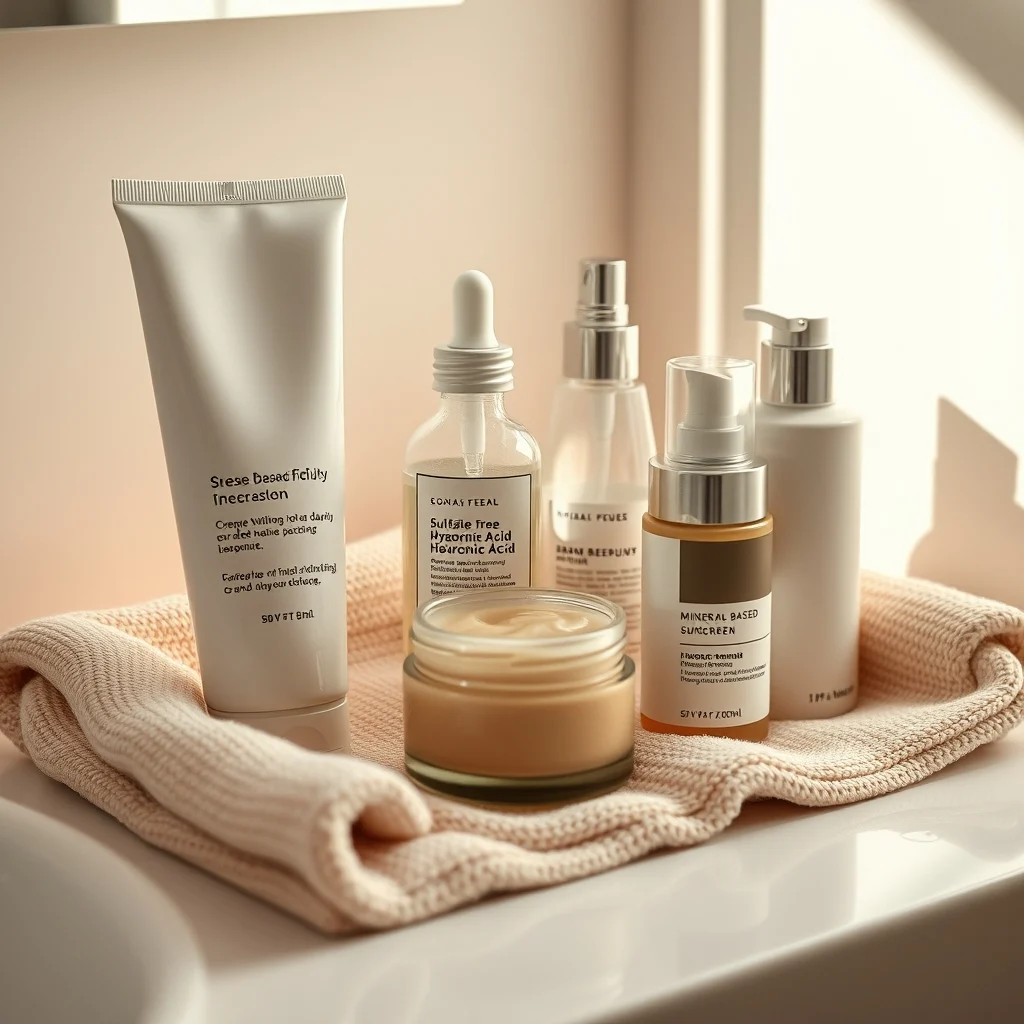
Dry, sensitive skin can feel like a constant battle,tightness, redness, and flakiness often leave you reaching for heavy creams that don’t always deliver. The good news? You don’t need expensive products to soothe and nourish your skin. A well-planned budget skincare routine can restore comfort and radiance without breaking the bank. The key is choosing gentle, hydrating ingredients that work in harmony with your skin’s natural barrier.
Start with a Gentle, Fragrance-Free Cleanser
Harsh cleansers strip away natural oils, leaving dry and sensitive skin even more vulnerable. Opt for a creamy, sulfate-free cleanser that removes impurities without disrupting your skin’s moisture balance. Look for ingredients like glycerin or ceramides, which help retain hydration while cleansing. Avoid foaming formulas, as they can be too drying, even if they feel refreshing at first.
If your skin feels tight after washing, it’s a sign the cleanser is too strong. Switch to a milder option and apply it with lukewarm water,hot water can worsen dryness and irritation. A simple trick is to use your fingertips instead of a washcloth, which can be abrasive on delicate skin.
Layer Hydration with a Lightweight Serum
Serums may seem like a luxury, but affordable options packed with hyaluronic acid or niacinamide can make a world of difference. Hyaluronic acid attracts moisture to the skin, plumping it up and reducing fine lines caused by dehydration. Niacinamide, on the other hand, strengthens the skin barrier and calms redness, making it ideal for sensitive skin.
Apply the serum while your skin is still damp to lock in extra moisture. A few drops are all you need,overloading your skin with product can lead to irritation. If your skin feels sticky afterward, you’ve likely used too much. Let the serum absorb fully before moving to the next step.
Seal in Moisture with a Barrier-Repairing Cream
Moisturizers for dry and sensitive skin should focus on repairing the skin barrier. Look for formulas with ceramides, cholesterol, and fatty acids,these ingredients mimic the skin’s natural lipids and help prevent moisture loss. Avoid products with alcohol, fragrance, or essential oils, as they can trigger irritation.
A thick cream might seem like the best choice, but sometimes a lighter lotion works better, especially if your skin is prone to clogged pores. If your skin feels greasy, try applying the moisturizer to damp skin to help it absorb faster. For extra dry patches, a thin layer of petroleum jelly can provide an additional protective seal.
Protect with a Mineral-Based Sunscreen
Sunscreen is non-negotiable, even for dry and sensitive skin. Chemical sunscreens can cause stinging or redness, so opt for a mineral-based formula with zinc oxide or titanium dioxide. These sit on top of the skin, reflecting UV rays without absorbing into the deeper layers, making them gentler for reactive skin.
If you struggle with white cast, look for a tinted mineral sunscreen or one labeled “sheer.” Apply it as the last step in your morning routine, and reapply every two hours if you’re spending time outdoors. Even on cloudy days, UV rays can penetrate the skin, leading to further dryness and damage.
Simplify Your Nighttime Routine
Nighttime is when your skin repairs itself, so keep your routine simple and nourishing. Double cleansing isn’t necessary for dry skin,instead, use a gentle micellar water or a hydrating cleansing balm to remove sunscreen and impurities. Follow with your serum and moisturizer, and let your skin rest.
If your skin feels extra parched, try a hydrating overnight mask once or twice a week. These are often more affordable than night creams and provide an intense dose of moisture. Just make sure to choose one without added fragrances or potential irritants.
Listen to Your Skin’s Needs
Dry and sensitive skin can be unpredictable,what works one week might not the next. Pay attention to how your skin reacts to products and adjust accordingly. If a product causes stinging, burning, or increased redness, stop using it immediately. Patch-testing new products on a small area of your jawline can help prevent full-face reactions.
Remember, consistency is more important than complexity. A simple, well-chosen budget skincare routine will always outperform a cabinet full of products that don’t suit your skin. Start with the basics, give your skin time to adjust, and build from there. For more information on gentle skincare ingredients, visit the American Academy of Dermatology.
Your skin doesn’t need a 10-step routine to look and feel its best. With the right approach, you can achieve a healthy, glowing complexion without spending a fortune. The secret? Patience, gentle ingredients, and a routine that puts your skin’s comfort first. Start today, and let your skin thank you tomorrow.
You may also like
-
Budget Skincare Routines: A Step-by-Step Guide for Oily Skin
-
Budget Skincare Routines: This Year’s Simplest Approach for Glowing Skin
-
Budget Skincare Routines: Quick Tips for Busy People Who Want Healthy Skin
-
Budget Skincare Routines: A Barrier-First Approach for Healthy Skin
-
Budget Skincare Routines for Sensitive Skin: Gentle Steps to Glowing Skin