
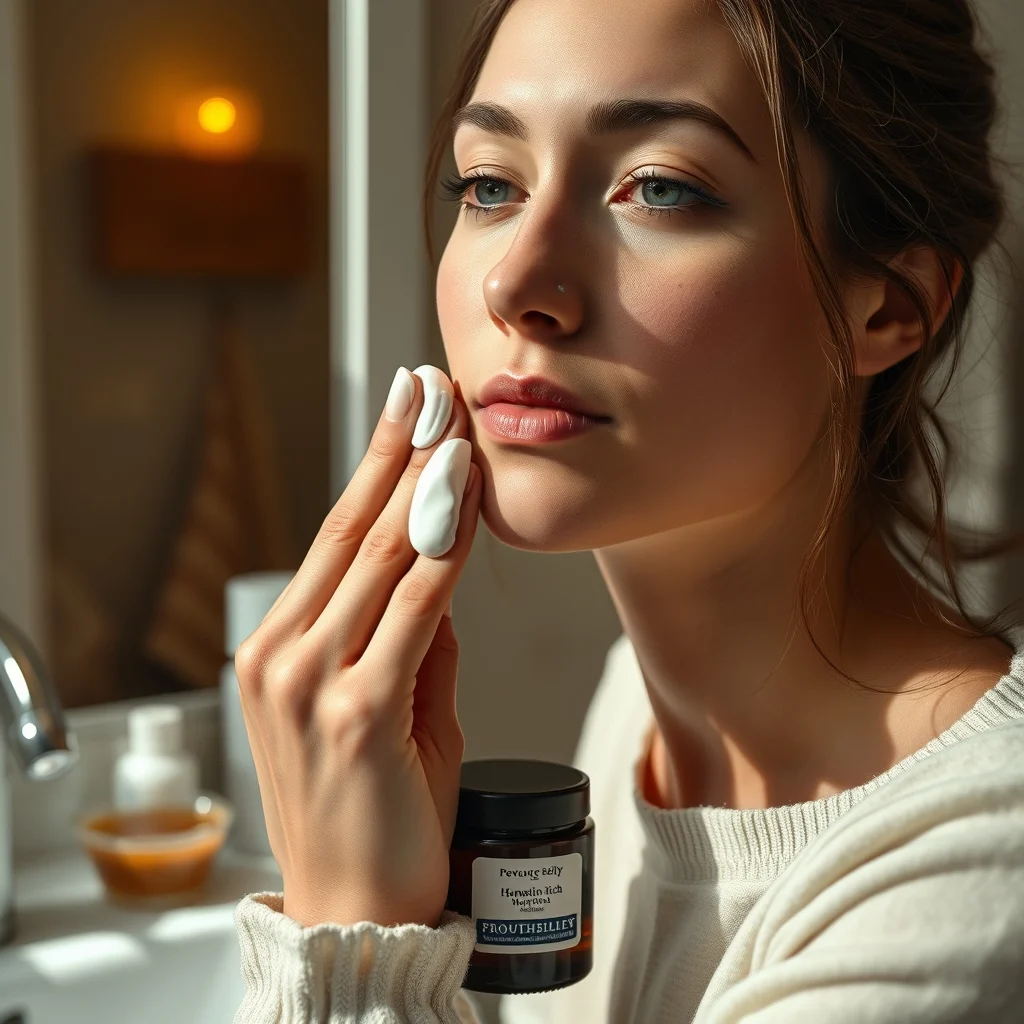
Struggling with tight, flaky, or easily irritated skin can feel like an endless battle,especially when every product you try seems to make it worse. If you have dry and sensitive skin, the wrong skincare choices can leave your complexion red, itchy, or even painful. The good news? You don’t need expensive serums or luxury creams to soothe and nourish your skin. With the right budget beauty problem-solving approach, you can restore comfort and radiance without stretching your wallet.
Understand Your Skin’s Unique Needs
Dry and sensitive skin lacks the natural moisture barrier that keeps irritants out and hydration in. This means harsh ingredients, fragrances, or even tap water can trigger reactions. Start by simplifying your routine. Focus on gentle, hydrating products that repair your skin’s protective layer instead of stripping it.
Look for labels like “fragrance-free,” “hypoallergenic,” or “for sensitive skin.” Avoid alcohol-based toners, exfoliants with physical scrubs, and foaming cleansers, as these can worsen dryness. Instead, opt for creamy, non-foaming cleansers that clean without disrupting your skin’s balance.
Prioritize Hydration with Affordable Staples
Hydration is the cornerstone of any budget beauty problem-solving routine for dry skin. Start with a lightweight, alcohol-free toner to prep your skin for moisture. Follow up with a hydrating serum containing hyaluronic acid,it holds up to 1,000 times its weight in water, plumping your skin instantly.
For moisturizers, choose thick, emollient creams with ingredients like ceramides, glycerin, or shea butter. These help lock in moisture and strengthen your skin barrier. Drugstore brands often offer dupes for high-end products, so don’t overlook them. Apply your moisturizer to damp skin to seal in hydration effectively.
Gentle Exfoliation for Smoother Skin
Exfoliation might seem counterintuitive for sensitive skin, but gentle chemical exfoliants can remove dead skin cells without irritation. Skip physical scrubs with rough particles, as they can cause micro-tears. Instead, use a mild AHA or PHA exfoliant once or twice a week.
Lactic acid is a great option for dry, sensitive skin,it exfoliates while also hydrating. Start with a low concentration (5-10%) and patch-test first. If your skin reacts, reduce frequency or switch to a gentler formula. Always follow exfoliation with a soothing moisturizer to calm any potential redness.
Protect Your Skin from Environmental Stressors
Dry and sensitive skin is more vulnerable to environmental damage, like cold weather, wind, or pollution. A simple way to shield your skin is by using a physical sunscreen with zinc oxide or titanium dioxide. These ingredients are less likely to irritate sensitive skin compared to chemical sunscreens.
At night, consider adding a thin layer of petroleum jelly or a balm over your moisturizer to create a protective barrier. This helps prevent moisture loss while you sleep. If your skin feels tight or itchy during the day, a hydrating mist with thermal water can provide instant relief.
DIY Solutions for Extra Nourishment
Sometimes, the best budget beauty problem-solving tricks come from your kitchen. Honey, for example, is a natural humectant that draws moisture into the skin. Mix a teaspoon of raw honey with a few drops of water, apply it as a mask for 10 minutes, then rinse off. Your skin will feel softer and more supple.
Oatmeal is another soothing ingredient. Blend it into a fine powder and mix with water to create a calming paste for irritated skin. Apply it for 10-15 minutes before rinsing with lukewarm water. These simple remedies can complement your routine without adding extra costs.
Listen to Your Skin and Adjust as Needed
Sensitive skin can be unpredictable, so pay attention to how it reacts to products or changes in weather. If a product stings, burns, or causes redness, stop using it immediately. Keep a skincare journal to track what works and what doesn’t,this will help you refine your routine over time.
Remember, consistency is key. It can take weeks for your skin to adjust to new products, so give your routine time to show results. If irritation persists, consult a dermatologist to rule out conditions like eczema or rosacea. For more information on safe skincare practices, visit the American Academy of Dermatology.
Taking care of dry and sensitive skin doesn’t have to be complicated or expensive. By focusing on gentle, hydrating products and listening to your skin’s needs, you can achieve a healthy, glowing complexion without the stress. Start small, be patient, and let your skin guide you,it knows what it needs better than any product label ever could.
You may also like
-
Budget Beauty for Beginners: Simple Routine for Glowing Skin
-
Budget Beauty Problem-Solving: This Year’s Biggest Shift in Simple Skincare
-
Budget Beauty Problem-Solving: What Most People Get Wrong
-
Budget Beauty Problem-Solving: A Barrier-First, Skinimalism Approach
-
Budget Beauty for Beginners: Start Glowing Now