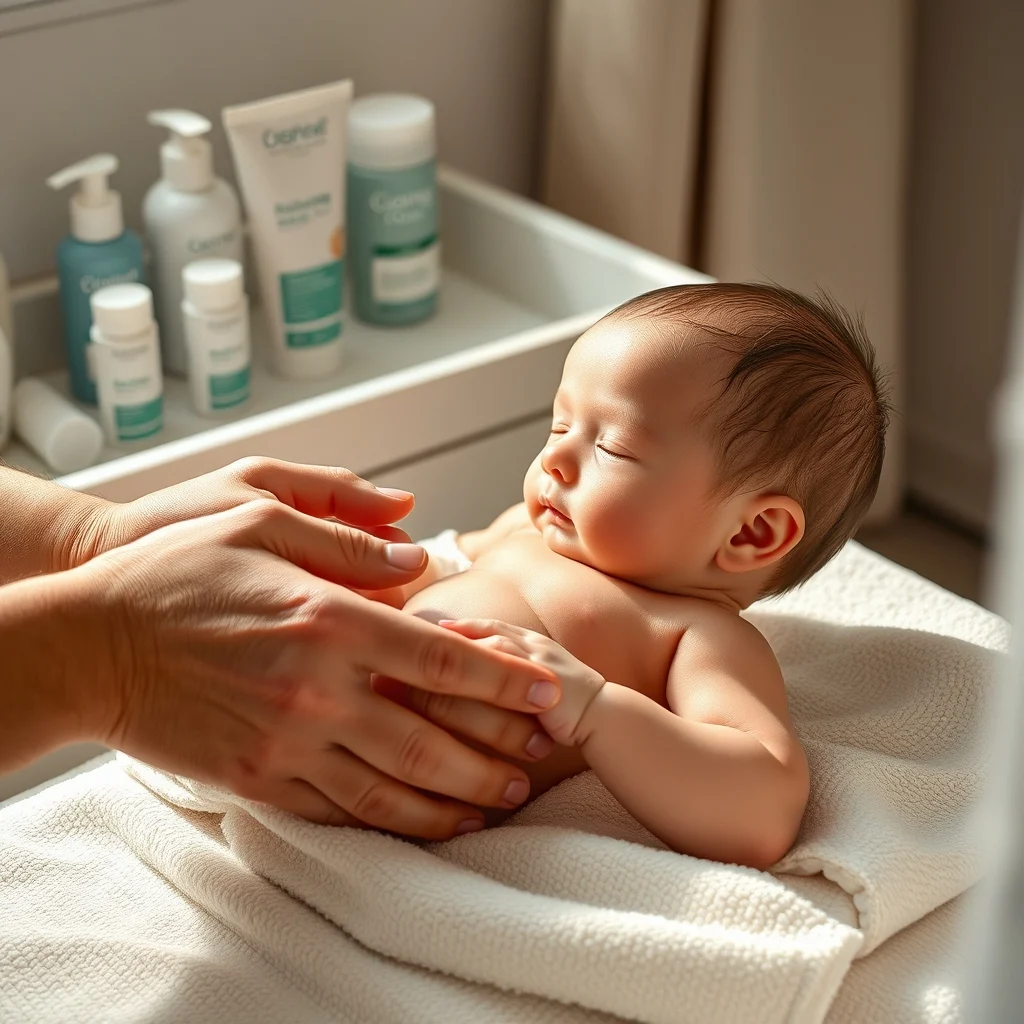
Pediatric dermatologists and child health experts report a 30% increase in infant skin sensitivity cases over the past five years, with common conditions including diaper rash, eczema, and cradle cap affecting nearly 65% of newborns globally by the age of six months. The surge, documented in a 2023 study by the American Academy of Pediatrics (AAP), is attributed to environmental pollutants, climate change, and the rising use of synthetic skincare products. Parents in urban areas such as New York, London, and Jakarta are particularly affected, where air quality and water hardness exacerbate skin irritation. Effective management requires a combination of gentle cleansing, hydration, and protective measures tailored to an infant’s delicate skin barrier.
Understanding the Unique Vulnerability of Infant Skin
Infant skin is approximately 30% thinner than adult skin, with a less developed stratum corneum—the outermost layer responsible for moisture retention and protection against pathogens. According to Dr. Sarah Johnson, a pediatric dermatologist at Boston Children’s Hospital, “Newborn skin lacks the acidic mantle that provides a natural defense against bacteria and irritants, making it highly susceptible to inflammation and infection.” This structural immaturity persists until the age of two, necessitating specialized care routines. The skin’s pH level, which averages 7 at birth, gradually decreases to the adult range of 5.5 over the first month, further influencing its vulnerability to external aggressors.
A 2022 study published in the Journal of Investigative Dermatology found that 78% of infants exposed to harsh soaps or fragranced products developed contact dermatitis within the first three months. The study, conducted across 12 pediatric clinics in Europe and North America, emphasized the role of transepidermal water loss (TEWL) in exacerbating dryness and irritation. TEWL rates in infants are up to five times higher than in adults, underscoring the need for products that support barrier function without disrupting natural lipid layers.
Key Components of a Safe and Effective Baby Skincare Routine
Experts recommend a minimalist approach to infant skincare, prioritizing products with hypoallergenic, fragrance-free, and dermatologist-tested formulations. The AAP advises parents to limit baths to two or three times per week, using lukewarm water and mild cleansers with a pH between 5.5 and 7.0. “Over-bathing strips the skin of essential oils, leading to dryness and micro-tears that can trigger eczema flare-ups,” warns Dr. Emily Carter, a neonatologist at the Royal London Hospital. For daily cleansing, water alone is sufficient for the first month, with the introduction of a gentle, soap-free body wash thereafter.
Moisturization is critical, particularly for infants prone to dryness or eczema. A 2023 clinical trial by the National Eczema Association found that emollients containing ceramides and colloidal oatmeal reduced eczema severity by 45% in infants aged 3 to 12 months. Products such as CeraVe Baby Moisturizing Cream and Aveeno Baby Eczema Therapy have been validated in peer-reviewed studies for their efficacy in restoring skin barrier function. For diaper areas, zinc oxide-based creams with a concentration of at least 10% are recommended to prevent and treat rashes, forming a protective barrier against moisture and friction.
Choosing the Right Products: What to Look For and Avoid
Parents should scrutinize ingredient labels to avoid common irritants such as parabens, phthalates, sulfates, and synthetic dyes. The European Union’s Scientific Committee on Consumer Safety (SCCS) has flagged these compounds as potential endocrine disruptors and skin sensitizers. Instead, opt for products with the National Eczema Association’s Seal of Acceptance or certifications from Ecocert or COSMOS, which guarantee organic and non-toxic formulations. For example, Mustela’s Stelatopia Emollient Cream, certified by COSMOS Organic, contains 95% natural ingredients and has been clinically proven to reduce eczema symptoms in 80% of infants within two weeks of use.
Sunscreen use in infants under six months is a subject of debate among experts. The AAP and the Skin Cancer Foundation advise against sunscreen application in this age group, recommending physical barriers such as hats, clothing, and shade instead. For infants older than six months, mineral-based sunscreens containing zinc oxide or titanium dioxide with an SPF of 30 to 50 are considered safe. A 2021 study in Pediatric Dermatology found that chemical sunscreens containing oxybenzone were absorbed into the bloodstream at levels exceeding FDA safety thresholds, prompting regulatory reviews in the U.S. and Canada.
Addressing Common Infant Skin Conditions
Diaper rash affects up to 50% of infants, with peak incidence occurring between 9 and 12 months. The condition is primarily caused by prolonged exposure to wetness, friction, and enzymatic activity in urine and feces. The AAP recommends frequent diaper changes, air drying, and the use of barrier creams to prevent outbreaks. For severe cases, antifungal creams such as clotrimazole may be prescribed to treat secondary yeast infections, which occur in 30% of diaper rash cases.
Cradle cap, characterized by yellowish, scaly patches on the scalp, affects 10% of infants and typically resolves by the age of one. The condition is linked to overactive sebaceous glands and Malassezia yeast colonization. Gentle exfoliation with a soft brush and the application of mineral oil or coconut oil can help loosen scales, followed by a mild shampoo such as Cetaphil Baby Wash. A 2020 study in the Journal of the American Academy of Dermatology found that 70% of cases improved within two weeks with consistent, non-invasive treatment.
Natural and Organic Alternatives: Do They Work?
Organic skincare products have gained popularity among parents seeking to minimize chemical exposure. However, experts caution that “natural” does not always equate to “safe.” Essential oils, for instance, are common in organic baby products but can cause allergic reactions or phototoxicity in infants. A 2022 report by the Environmental Working Group (EWG) found that 25% of organic baby products contained undisclosed fragrances or preservatives. For parents opting for natural remedies, coconut oil and sunflower seed oil have shown promise in clinical studies. A 2019 trial published in Pediatric Dermatology demonstrated that sunflower seed oil improved skin barrier function in preterm infants, reducing infection rates by 41%.
Despite the availability of advanced skincare products, the cornerstone of infant skin health remains prevention. Regular monitoring for signs of irritation, prompt treatment of rashes, and adherence to evidence-based guidelines can mitigate the majority of skin issues. As Dr. Johnson notes, “The goal is not to eliminate all exposure but to create a balanced routine that supports the skin’s natural development while protecting it from harm.” With informed choices and proactive care, parents can ensure their infant’s skin remains healthy, resilient, and free from discomfort as they grow.
You may also like
-
Complete Guide to Choosing the Best Sunscreen for Your Skin Type
-
Bare Minimum Beauty: Simplify Your Routine Without Sacrificing Glow
-
2024 Pediatric Skin Care Alert: How to Safeguard Newborns from Common Dermatological Risks Using Clinically Validated Methods
-
Bare Minimum Beauty 2024: Indonesia’s Top Dupe Makeup and Skincare Picks That Deliver High-End Results at Budget Prices—Expert-Backed Affordable Alternatives for Every Routine
-
Indonesia’s Traditional Herbal Skincare: The Proven Benefits of Lulur, Jamu, and Organic Remedies in Modern Dermatological Practices