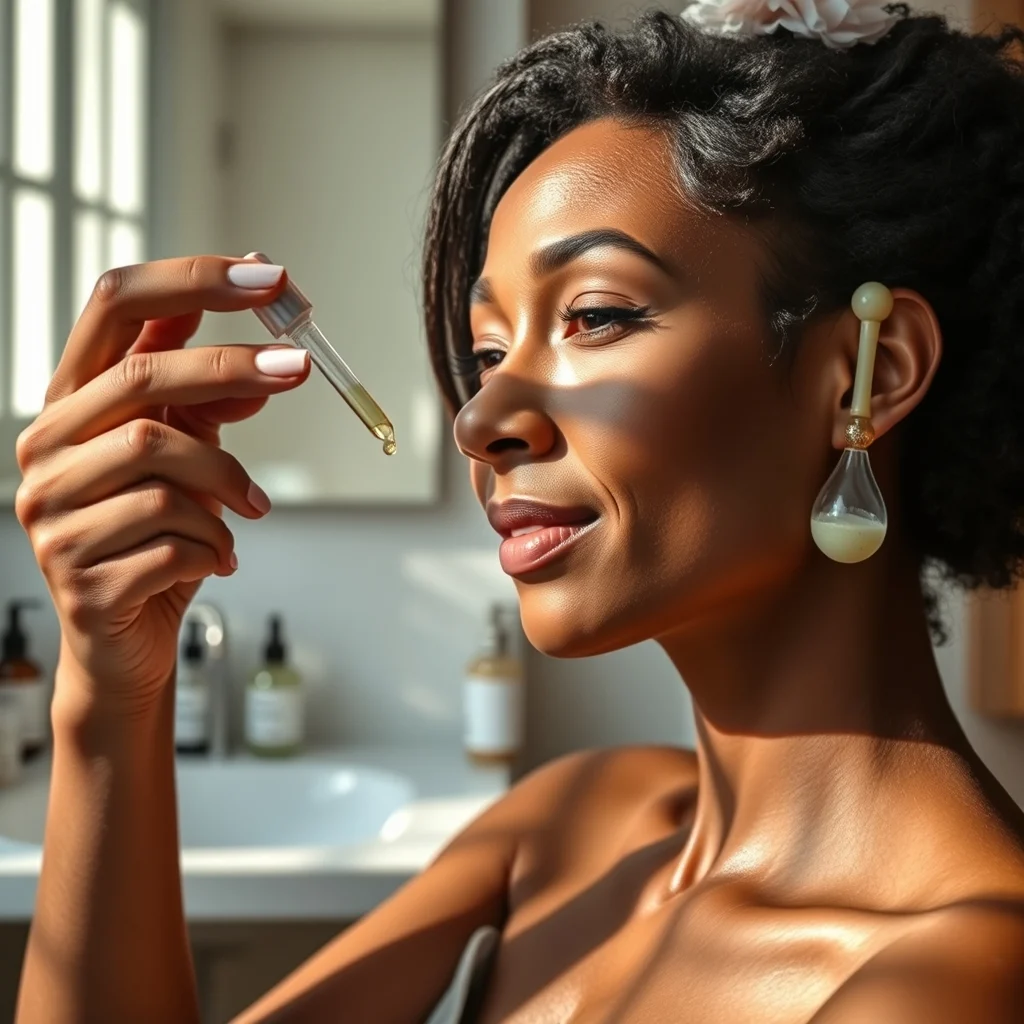
Imagine waking up to skin that looks so healthy, radiant, and effortlessly glowing that you skip foundation entirely. That dream isn’t reserved for genetics or expensive treatments—it’s the result of a beauty & skincare routine designed just for you. In a world overflowing with products and trends, the secret to truly transformative skin isn’t following the latest viral hack. It’s about understanding your unique needs and crafting a regimen that works in harmony with your skin’s biology.
The Problem with One-Size-Fits-All Beauty & Skincare
Scroll through social media, and you’ll see countless influencers swearing by the same serums, cleansers, or masks. But here’s the truth: what works wonders for one person might leave your skin irritated, dry, or even broken out. Skin is as individual as a fingerprint, influenced by factors like genetics, environment, diet, and even stress levels. A generic skincare routine ignores these nuances, often leading to frustration and wasted money on products that don’t deliver.
For example, someone with oily skin might reach for harsh, alcohol-based toners to control shine, only to trigger excess oil production as their skin tries to compensate. Meanwhile, a person with dry skin might layer on rich creams, not realizing that their flakiness stems from a damaged moisture barrier—not just a lack of hydration. The key to unlocking your best skin lies in personalization.
How to Decode Your Skin’s Unique Language
Before you can tailor your beauty & skincare routine, you need to become a detective. Start by observing your skin’s behavior over a few weeks. Does it feel tight after cleansing? Does it flush easily in the sun? Are breakouts concentrated in certain areas? These clues reveal your skin type (oily, dry, combination, or sensitive) and its specific concerns (acne, aging, hyperpigmentation, etc.).
Next, consider external factors. Do you live in a humid climate or a dry, cold one? Are you exposed to pollution or air conditioning daily? Even your diet and sleep habits play a role. For instance, dairy might trigger breakouts for some, while others notice redness after a poor night’s sleep. Jotting down these observations in a skincare journal can help you spot patterns and make informed decisions.
The Role of Ingredients in Personalized Skincare
Not all skincare ingredients are created equal, and knowing which ones address your concerns is half the battle. For acne-prone skin, look for salicylic acid or niacinamide to unclog pores and reduce inflammation. If fine lines are your focus, peptides and retinol can stimulate collagen production. Those with sensitive skin should prioritize soothing ingredients like aloe vera, chamomile, or ceramides to strengthen the skin barrier.
But here’s the catch: even the best ingredients can backfire if used incorrectly. Layering too many active ingredients (like retinol and vitamin C) can cause irritation, while using the wrong pH-balanced cleanser can disrupt your skin’s natural defenses. That’s why it’s essential to introduce new products one at a time and monitor your skin’s response.
Building a Routine That Adapts to Your Skin’s Needs
A truly effective beauty & skincare routine isn’t static—it evolves with your skin. Start with the basics: a gentle cleanser, a hydrating moisturizer, and sunscreen (non-negotiable, even on cloudy days). From there, layer in targeted treatments based on your observations. For example, if you notice dullness, a vitamin C serum in the morning can brighten your complexion. If dehydration is an issue, a hyaluronic acid serum can plump and hydrate.
Don’t forget the often-overlooked step of exfoliation. Whether you opt for chemical exfoliants (like AHAs or BHAs) or physical scrubs, removing dead skin cells helps your products penetrate better and reveals a smoother, more radiant surface. However, over-exfoliating can damage your skin barrier, so limit this step to 1-3 times a week, depending on your skin’s tolerance.
When to Seek Professional Guidance
While DIY personalization works for many, some skin concerns require expert insight. If you’re dealing with persistent acne, rosacea, or signs of aging, a dermatologist or licensed esthetician can recommend medical-grade treatments or prescription products tailored to your needs. They can also perform professional procedures like chemical peels or laser therapy to address deeper issues.
Even if you don’t have a specific concern, a professional skin analysis can provide valuable data. Tools like 3D imaging or skin scanners can measure hydration levels, pore size, and sun damage—information that’s nearly impossible to gauge with the naked eye. Armed with this knowledge, you can fine-tune your routine for even better results.
The Mindset Shift: Beauty & Skincare as Self-Care
Personalized skincare isn’t just about achieving flawless skin—it’s about cultivating a relationship with yourself. The time you spend cleansing, moisturizing, and treating your skin can double as a moment of mindfulness, a chance to check in with your body and practice self-compassion. When you approach your routine with intention, it becomes less of a chore and more of a ritual that nourishes both your skin and your soul.
Remember, skin is dynamic. What works today might need adjustment in a few months, and that’s okay. The goal isn’t perfection—it’s progress. By listening to your skin, staying curious, and embracing flexibility, you’ll not only see visible improvements but also develop a deeper appreciation for the skin you’re in. Start small, stay consistent, and let your radiant, healthy skin be the proof that personalized care is the ultimate beauty secret.
You may also like
-
Complete Guide to Choosing the Best Sunscreen for Your Skin Type
-
Bare Minimum Beauty: Simplify Your Routine Without Sacrificing Glow
-
2024 Pediatric Skin Care Alert: How to Safeguard Newborns from Common Dermatological Risks Using Clinically Validated Methods
-
Bare Minimum Beauty 2024: Indonesia’s Top Dupe Makeup and Skincare Picks That Deliver High-End Results at Budget Prices—Expert-Backed Affordable Alternatives for Every Routine
-
Indonesia’s Traditional Herbal Skincare: The Proven Benefits of Lulur, Jamu, and Organic Remedies in Modern Dermatological Practices