Beautiful, healthy-looking skin does not have to come with an expensive price tag. While luxury skincare products often attract attention with elegant packaging and impressive marketing, some of the most effective skincare ingredients are available in budget-friendly formulas.
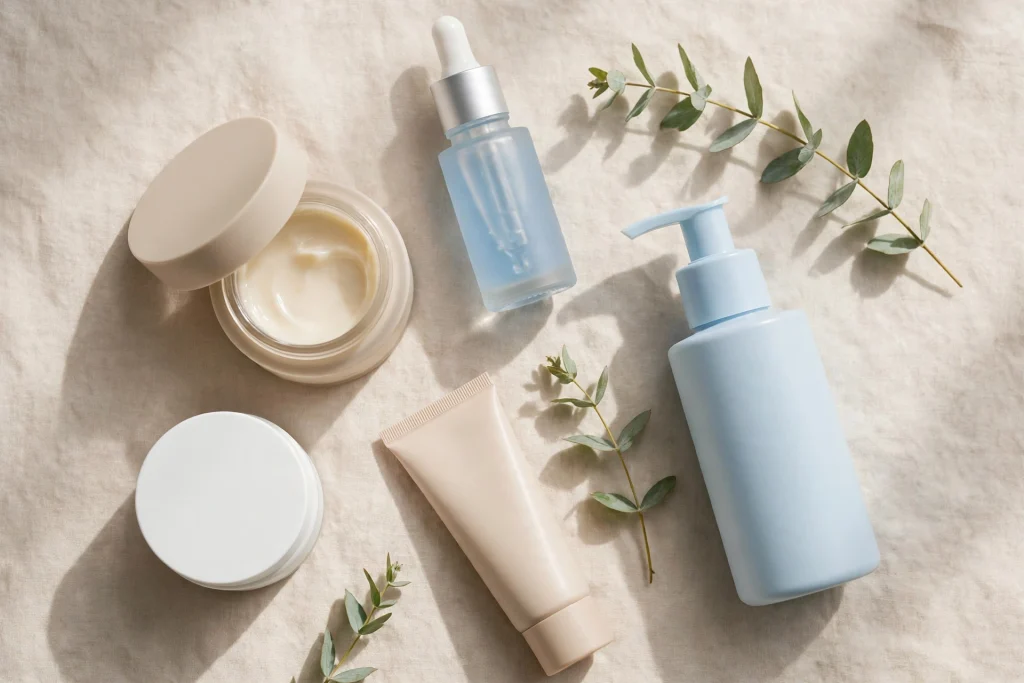
Finding the best affordable skincare ingredients is about understanding what your skin actually needs rather than buying every trending serum or moisturizer. Ingredients such as glycerin, niacinamide, ceramides, and salicylic acid can address common concerns without requiring an expensive skincare routine.
Whether you are building your first skincare collection or looking to simplify your existing beauty products, choosing the right ingredients can make shopping easier and more affordable. The secret is knowing which ingredients offer practical benefits, how to use them, and which formulas are worth considering.
Quick Answer: What Are the Best Affordable Skincare Ingredients?
The best affordable skincare ingredients include glycerin, petrolatum, ceramides, niacinamide, salicylic acid, azelaic acid, benzoyl peroxide, retinoids, vitamin C, and urea.
These ingredients can help address concerns such as dryness, uneven skin tone, acne, rough texture, and visible signs of aging. Their effectiveness depends on the formulation, concentration, consistency of use, and individual skin needs.
For a simple, affordable routine, start with a gentle cleanser, a moisturizer containing glycerin or ceramides, and a broad-spectrum sunscreen. Add one targeted ingredient based on your main skincare concern.
1. Glycerin: An Affordable Ingredient for Lasting Hydration
Glycerin is one of the best affordable skincare ingredients for anyone who struggles with dry, tight, or dehydrated skin. It is a humectant, meaning it attracts water and helps maintain moisture in the outer layers of the skin.
Unlike some expensive moisturizing ingredients, glycerin is widely available in affordable cleansers, lotions, creams, and hydrating serums.
Why it is worth trying:
- Helps attract moisture to the skin.
- Supports a softer, smoother skin feel.
- Works well in many skincare formulations.
- Can suit dry, normal, combination, and oily skin.
Glycerin is particularly useful if your skin feels uncomfortable after cleansing or looks dull because of dryness.
For the best results, apply a glycerin-containing moisturizer to slightly damp skin. Follow with a suitable moisturizing cream if your skin needs additional hydration.
Shopping tip: Look for glycerin in the ingredient list of everyday moisturizers rather than paying extra for a product marketed as a premium hydrating treatment.
2. Petrolatum: A Budget-Friendly Solution for Dry Skin
Petrolatum is a simple but effective moisturizing ingredient that deserves more attention. It works as an occlusive, creating a protective layer that helps reduce water loss from the skin.
It is commonly found in affordable ointments, healing balms, and protective moisturizers.
Benefits include:
- Helps reduce moisture loss.
- Protects dry and rough skin.
- Supports the skin’s natural barrier.
- Helps soften areas such as elbows, lips, and hands.
Petrolatum is particularly useful during colder weather, when frequent washing or environmental conditions can leave skin feeling dry.
You can apply a thin layer to particularly dry areas as the final step in your nighttime routine. Some people also use it on their lips and around dry patches.
Shopping tip: Basic petrolatum ointments are often more economical than specialty overnight masks or expensive moisturizing balms.
If you are prone to acne or find heavy products uncomfortable, use it selectively rather than automatically applying a thick layer across your entire face.
3. Ceramides: Affordable Support for Your Skin Barrier
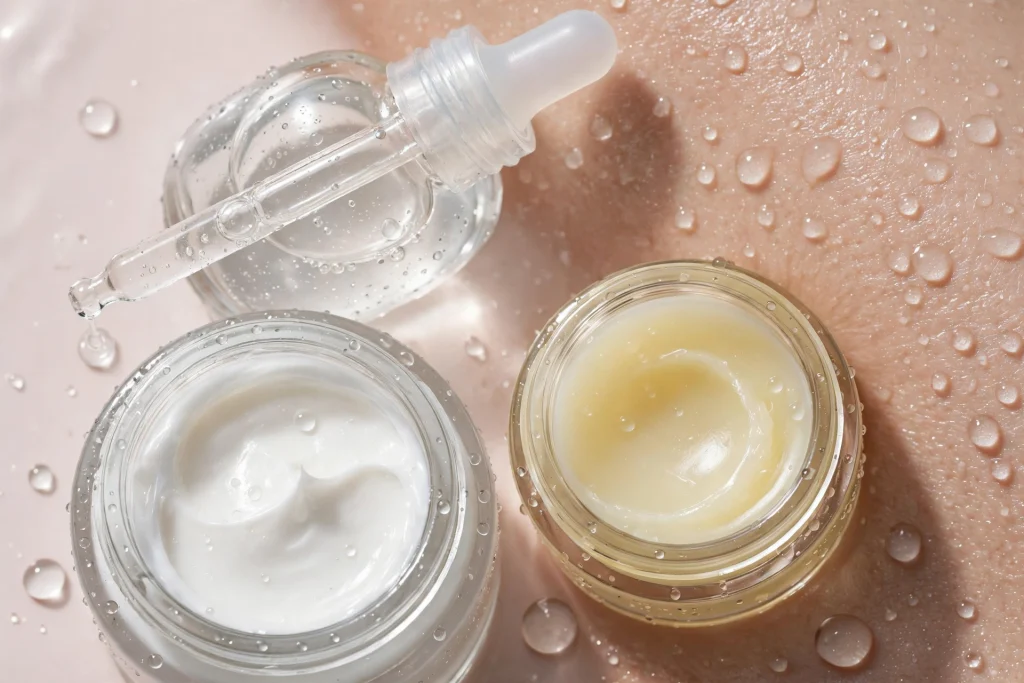
Ceramides are naturally occurring lipids that help maintain the skin barrier. They are important because the outer skin layer relies on a combination of lipids to retain moisture and protect against external irritants.
This makes ceramides among the best affordable skincare ingredients for people experiencing dryness, tightness, or a compromised-feeling skin barrier.
Why ceramides are worth considering:
- Help support the skin’s protective barrier.
- Help reduce moisture loss.
- Improve the feel of dry skin.
- Complement other moisturizing ingredients.
Ceramides are commonly included in facial moisturizers, body lotions, and barrier-repair creams.
For everyday use, choose a moisturizer containing ceramides alongside ingredients such as glycerin or cholesterol. These combinations can provide complementary moisturizing benefits.
Shopping tip: You do not need a luxury barrier cream to enjoy ceramide-based skincare. Compare ingredient lists and product sizes to find a formula that fits your budget.
4. Niacinamide: A Versatile Ingredient for Uneven Skin Tone
Niacinamide, also known as vitamin B3, is one of the most versatile ingredients in affordable skincare. It is commonly used in products designed for uneven-looking skin tone, visible redness, excess oil, and general skin-barrier support.
A 2025 study examining dermatologist recommendations identified niacinamide among the ingredients commonly recommended for concerns such as redness and dark spots.
Some potential benefits include:
- Supporting the skin barrier.
- Helping improve the appearance of uneven skin tone.
- Helping manage the appearance of excess oil.
- Supporting smoother-looking skin.
Niacinamide is available in affordable serums, moisturizers, and cleansers. It is also relatively easy to incorporate into an existing routine.
For beginners, a moisturizer or serum containing around 2% to 5% niacinamide can be a reasonable starting point. Higher concentrations are not automatically better.
Shopping tip: Look for products that combine niacinamide with hydrating ingredients instead of choosing a high-concentration formula simply because the percentage looks impressive.
This is one of the best affordable skincare ingredients for people who want a multitasking product without purchasing several separate treatments.
5. Salicylic Acid: A Popular Choice for Oily and Acne-Prone Skin
Salicylic acid is a beta hydroxy acid (BHA) commonly used in skincare products designed for clogged pores and blemish-prone skin.
It helps exfoliate inside pores and loosen the buildup of dead skin cells and oil. This makes it particularly useful for people who experience blackheads, whiteheads, and oily skin.
Its main advantages include:
- Helping unclog pores.
- Improving the appearance of blackheads.
- Supporting the management of mild acne.
- Helping smooth uneven skin texture.
Salicylic acid is available in affordable cleansers, toners, and leave-on treatments.
If you are new to exfoliating acids, begin with a lower-strength product and use it according to its instructions. Starting two or three times a week may be more comfortable than applying it daily.
Shopping tip: A basic salicylic acid cleanser can be a practical starting point if you want to introduce the ingredient without adding several leave-on treatments.
For more information about acne treatments, DermNet’s guide to topical acne ingredients explains how salicylic acid and other common treatments work.
6. Azelaic Acid: An Affordable Option for Dark Spots
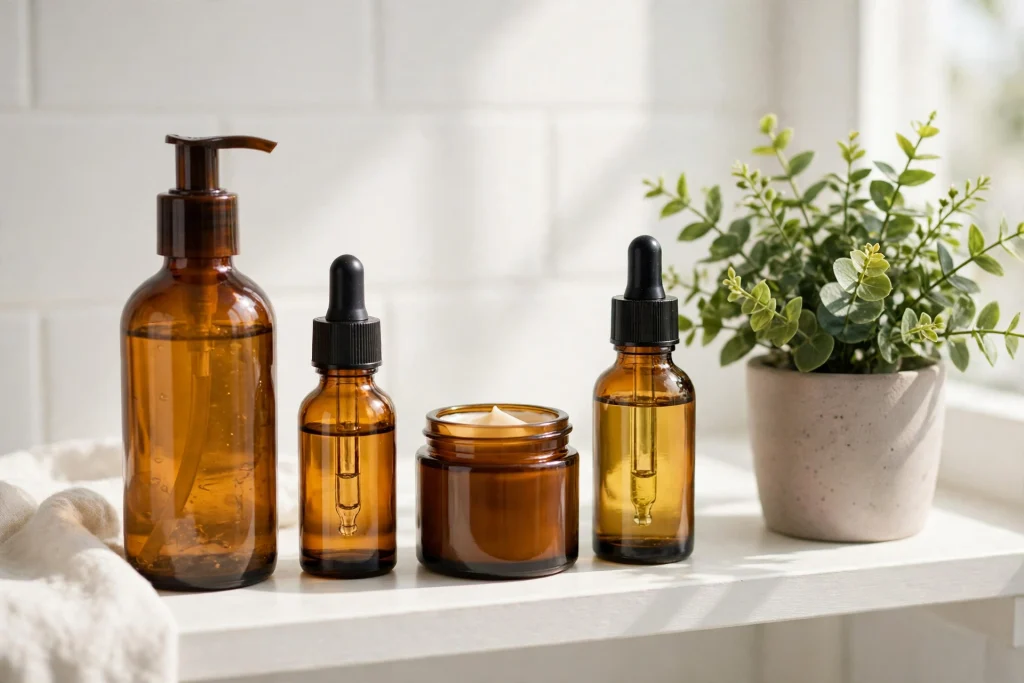
Azelaic acid is an ingredient worth considering if your main concerns include blemishes, uneven skin tone, and dark marks left after acne.
It has several skincare applications, including helping manage acne and improving the appearance of post-inflammatory hyperpigmentation.
Why it deserves a place in an affordable routine:
- Helps address mild acne concerns.
- Can help improve the appearance of post-acne marks.
- Has anti-inflammatory properties.
- Can be useful for people dealing with uneven-looking skin tone.
Azelaic acid is available in different strengths and formulations, including cosmetic products and prescription treatments.
For cosmetic skincare, lower-strength formulas are often easier to find without spending much. However, the right strength depends on your skin and the concern you are addressing.
Shopping tip: Choose a straightforward azelaic acid formula instead of paying extra for elaborate packaging or unnecessary additions.
Introduce it gradually, especially if your skin is sensitive. Daily sunscreen is also important when managing dark spots.
7. Benzoyl Peroxide: A Practical Ingredient for Acne
Benzoyl peroxide is a well-established ingredient used in products designed to treat acne. It helps reduce acne-causing bacteria and can improve inflammatory breakouts.
It is often available in affordable spot treatments, gels, and facial cleansers.
Potential benefits include:
- Helping reduce acne-causing bacteria.
- Supporting the treatment of inflammatory pimples.
- Helping manage recurring breakouts.
- Providing an accessible option for mild acne.
Benzoyl peroxide products are available in different concentrations. A lower concentration may be sufficient for some people and can be a sensible starting point if irritation is a concern.
There are a few things to remember before using it:
- Introduce it gradually.
- Avoid combining multiple strong acne treatments immediately.
- Follow product directions carefully.
- Use moisturizer to help manage dryness.
- Remember that benzoyl peroxide can bleach towels, clothing, and pillowcases.
Shopping tip: A basic benzoyl peroxide treatment can be more economical than buying several products marketed specifically for individual types of pimples.
For persistent, painful, or widespread acne, professional guidance is preferable to continually increasing the strength of over-the-counter products.
8. Retinoids: Affordable Ingredients for Smoother-Looking Skin
Retinoids are vitamin A derivatives used in skincare to address acne and visible signs of skin aging.
They influence skin-cell turnover and are commonly recommended for concerns such as clogged pores, uneven texture, and fine lines.
Retinoids include several different ingredients, such as retinol, retinal, adapalene, and tretinoin. These are not interchangeable, as their strengths, availability, and uses differ.
Why they are worth considering:
- Can help manage acne.
- Support smoother-looking skin over time.
- Can improve the appearance of uneven texture.
- Certain formulations help address visible signs of aging.
Retinol is widely available in affordable cosmetic serums and creams. Adapalene is another option commonly used for acne, although availability and regulations vary by country.
Begin with a low-strength product and use it infrequently at first. Gradually increase frequency only if your skin tolerates it.
Shopping tip: A simple retinol product from a reputable brand is often a better investment than a complicated formula containing multiple strong active ingredients.
Retinoids can cause dryness, peeling, and irritation. Some retinoids are unsuitable during pregnancy, so seek medical advice before use if you are pregnant, trying to conceive, or breastfeeding.
The American Academy of Dermatology’s acne treatment guidance provides additional information about using topical retinoids safely.
9. Vitamin C: An Affordable Ingredient for Brighter-Looking Skin
Vitamin C is a popular antioxidant ingredient used in skincare products designed to improve the appearance of dullness and uneven skin tone.
It is also studied for its role in supporting skin against oxidative stress caused by environmental factors.
Potential benefits include:
- Helping improve the appearance of dark spots.
- Supporting a brighter-looking complexion.
- Providing antioxidant benefits.
- Complementing a sun-protection routine.
Vitamin C products come in different formulations. L-ascorbic acid is a well-known form, while other derivatives are used in cosmetic products designed for different formulation needs.
However, vitamin C products can vary significantly in stability and effectiveness. A higher percentage does not automatically mean a better product.
Shopping tip: Look for a product with clear ingredient information, appropriate packaging, and a reasonable price. Opaque or air-restrictive packaging can help protect certain vitamin C formulas from light and air exposure.
If you have sensitive skin, start with a gentler formulation and patch-test before regular use.
10. Urea: An Underrated Ingredient for Rough and Dry Skin
Urea is an ingredient that deserves more attention, especially for people who experience rough, flaky, or persistently dry skin.
It acts as a humectant and, at higher concentrations, can also help soften and loosen rough skin.
Urea is commonly found in body lotions, hand creams, and foot creams.
Its benefits include:
- Helping attract and retain moisture.
- Softening rough skin.
- Improving the feel of dry areas.
- Helping smooth rough patches when used in appropriate formulations.
Lower concentrations are generally used for moisturizing, while higher concentrations are often formulated for thicker, rougher skin on areas such as the feet and elbows.
Shopping tip: If your main concern is dry feet or rough elbows, a reasonably priced urea body cream may offer more value than a collection of specialty treatments.
People with cracked or irritated skin should introduce urea carefully because it may cause temporary stinging.
Comparison Table: Which Affordable Skincare Ingredient Should You Choose?
Choosing between the best affordable skincare ingredients becomes easier when you match each ingredient to your primary concern.
| Ingredient | Main skincare purpose | Best suited for |
|---|---|---|
| Glycerin | Hydration | Dry and dehydrated skin |
| Petrolatum | Reducing moisture loss | Very dry skin |
| Ceramides | Skin-barrier support | Dry and sensitive-feeling skin |
| Niacinamide | Uneven tone and oiliness | Combination and oily skin |
| Salicylic acid | Exfoliation and clogged pores | Oily and acne-prone skin |
| Azelaic acid | Acne and dark marks | Blemish-prone skin |
| Benzoyl peroxide | Acne treatment | Inflammatory acne |
| Retinoids | Acne and skin texture | Acne-prone and aging skin |
| Vitamin C | Antioxidant skincare | Dull and uneven-looking skin |
| Urea | Hydration and smoothing | Rough and dry skin |
How to Choose the Best Affordable Skincare Ingredients for Your Skin Type
Not every ingredient is necessary for every person. Your skin type, concerns, lifestyle, and budget should guide your choices.
Here is a practical shopping guide.
| Skin type or concern | Ingredients to consider | What to prioritize |
|---|---|---|
| Dry skin | Glycerin, ceramides, petrolatum | Moisture and barrier support |
| Oily skin | Niacinamide, salicylic acid | Lightweight hydration and pore care |
| Acne-prone skin | Salicylic acid, benzoyl peroxide, azelaic acid | Targeted acne treatment |
| Sensitive skin | Glycerin, ceramides | Simple, fragrance-free formulas |
| Uneven skin tone | Niacinamide, azelaic acid, vitamin C | Consistency and sun protection |
| Rough skin | Urea, retinoids | Gentle texture improvement |
| Mature-looking skin | Retinoids, glycerin, sunscreen | Hydration and daily protection |
If you have multiple skin concerns, choose one primary concern first. This prevents unnecessary spending and makes it easier to understand which products work for you.
How to Build an Affordable Skincare Routine Without Overspending
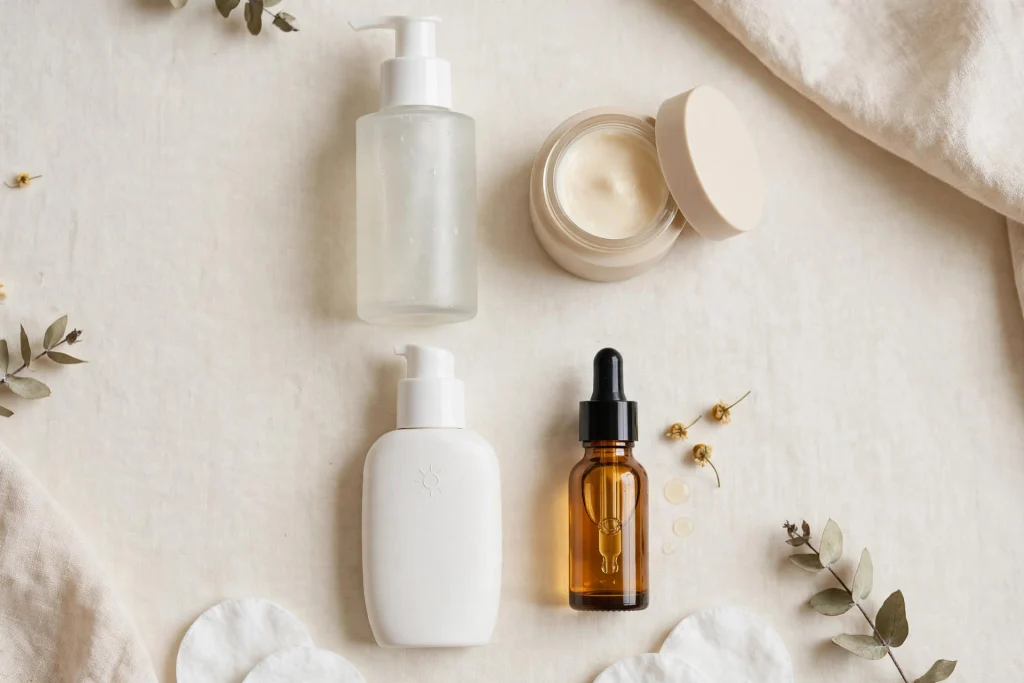
Knowing the best affordable skincare ingredients is only part of the process. You also need a routine that is easy to maintain.
You do not need ten different serums to achieve a practical skincare routine.
Morning routine
A simple morning routine can include:
- Gentle cleanser, if needed.
- Niacinamide or vitamin C, if suitable for your skin.
- Moisturizer containing glycerin or ceramides.
- Broad-spectrum sunscreen with SPF 30 or higher.
Evening routine
Your nighttime routine can be equally straightforward:
- Gentle cleanser.
- One targeted treatment, such as azelaic acid, salicylic acid, or a retinoid.
- Moisturizer containing ceramides or glycerin.
- Petrolatum on particularly dry areas if needed.
Avoid introducing several active ingredients simultaneously. Start with one treatment, observe how your skin responds, and make adjustments gradually.
An Important Note About Sunscreen
Although sunscreen is not one of the ten ingredients in our list, it is an essential part of a well-planned skincare routine.
The American Academy of Dermatology recommends broad-spectrum sunscreen with SPF 30 or higher and water resistance. The FDA’s sunscreen guidance also explains the importance of proper application and reapplication.
Sunscreen is especially important if you are using exfoliating acids or retinoids as part of your skincare routine.
How to Shop Smart for Affordable Skincare
Affordable skincare is not simply about choosing the cheapest product available. It is about finding formulas that suit your skin, contain useful ingredients, and offer reasonable value.
Use these shopping strategies before purchasing:
- Read ingredient lists rather than relying entirely on product claims.
- Compare the price per milliliter or gram.
- Choose products with clear labeling and ingredient information.
- Avoid buying multiple products with the same purpose.
- Start with smaller sizes when trying unfamiliar formulas.
- Check expiration dates and storage recommendations.
- Prioritize products you can use consistently.
For international shoppers, availability and pricing can vary considerably between countries. A product that is inexpensive in one market may cost more after shipping, taxes, or import fees.
It is also worth comparing local pharmacy brands with international beauty brands. Sometimes, a simple local moisturizer contains the same useful moisturizing ingredients as a considerably more expensive alternative.
The best affordable skincare ingredients are often found in straightforward formulations rather than products with the most elaborate marketing.
When to See a Skincare Professional
Affordable skincare products can be useful for everyday concerns, but they are not a replacement for professional treatment when a skin condition is persistent or severe.
Consider consulting a dermatologist if you experience:
- Painful or deep acne.
- Acne that causes scarring.
- Persistent redness, burning, or itching.
- A rash that does not improve.
- Sudden or unexplained changes in your skin.
- Dark spots that change in size, shape, or appearance.
- Repeated irritation from multiple skincare products.
A dermatologist can help identify the underlying concern and recommend an appropriate treatment plan.
If you are pregnant or breastfeeding, ask a healthcare professional before introducing active ingredients such as retinoids or certain acne treatments.
FAQ: Best Affordable Skincare Ingredients
1. What are the best affordable skincare ingredients for beginners?
Glycerin, ceramides, and niacinamide are good starting points for many beginners. They are widely available in affordable moisturizers and serums and can help support hydration, the skin barrier, and a more even-looking complexion.
Start with a simple routine before introducing stronger treatments.
2. Can affordable skincare ingredients work as well as expensive products?
Yes, affordable skincare ingredients can be effective when they are formulated properly and suit your skin’s needs. A higher price does not automatically mean better results.
Pay attention to ingredient quality, formulation, packaging, and consistent use rather than brand reputation alone.
3. Which affordable skincare ingredients are best for glowing skin?
Glycerin, niacinamide, vitamin C, and azelaic acid are worth considering for a brighter, healthier-looking complexion.
However, the best choice depends on whether dullness is related to dryness, uneven pigmentation, or another skin concern.
4. What are the best affordable skincare ingredients for acne-prone skin?
Salicylic acid, benzoyl peroxide, and azelaic acid are commonly used for acne-prone skin. They have different functions, so the right option depends on the type and severity of your breakouts.
Avoid combining several acne treatments immediately, as this can increase irritation.
5. Can I use niacinamide and vitamin C together?
Many people can use niacinamide and vitamin C in the same skincare routine. They serve different purposes and can complement one another.
However, individual formulations and skin sensitivity matter. Introduce each ingredient separately before combining them.
6. How long does it take for affordable skincare ingredients to show results?
Results depend on the ingredient and the concern being addressed. Hydrating ingredients may improve skin comfort relatively quickly, while treatments for acne, uneven tone, and texture can take several weeks or longer.
Consistency is important, and using more product than directed will not necessarily speed up results.
7. What is the most important affordable skincare ingredient to buy first?
If you are starting from scratch, prioritize a moisturizer containing glycerin or ceramides and a suitable broad-spectrum sunscreen.
These basics help establish a practical routine before you spend money on targeted treatments.
Conclusion: Invest in Ingredients, Not Expensive Packaging
Building an effective skincare routine does not require a luxury beauty budget. The best affordable skincare ingredients, including glycerin, ceramides, niacinamide, salicylic acid, and azelaic acid, offer practical options for addressing common skincare concerns.
The smartest approach is to understand your skin, choose ingredients that match your needs, and avoid purchasing products simply because they are trending.
Start with a gentle cleanser, a suitable moisturizer, and daily sunscreen. Introduce one targeted ingredient at a time and give your routine enough time to work.
Ultimately, the best affordable skincare ingredients are the ones that suit your skin, fit your budget, and make it easier to maintain a consistent routine. Smart skincare shopping is about making informed choices, not spending more money.
More about: Affordable Actives: Smart Start for Clear Skin