
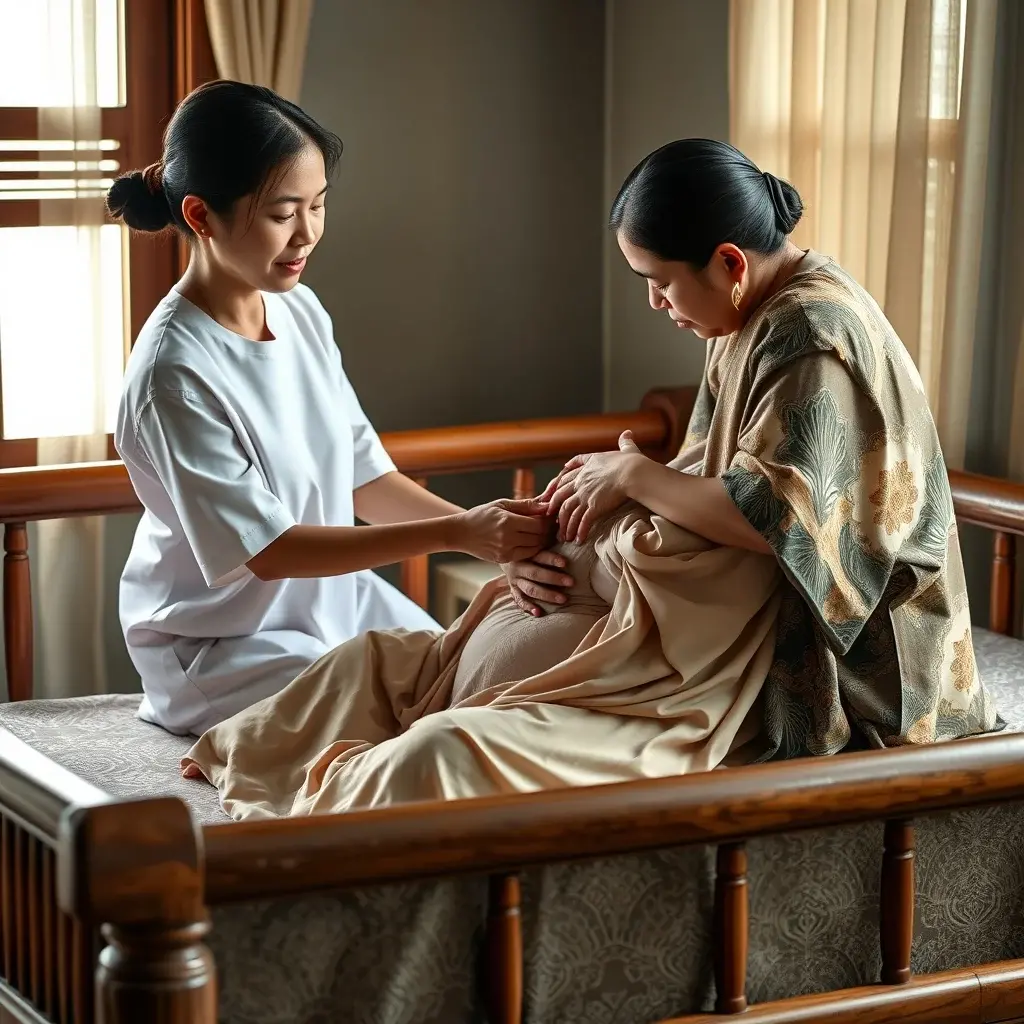
Indonesia has seen a 20% increase in maternal health awareness programs since 2020, yet postpartum care remains a critical yet often overlooked phase for new mothers. According to the Indonesian Ministry of Health, approximately 5 million women give birth annually, with nearly 60% experiencing physical or mental health challenges during the postpartum period, defined as the first six weeks after delivery. These challenges range from perineal pain and cesarean wound recovery to hormonal imbalances, breastfeeding difficulties, and postpartum depression. The World Health Organization (WHO) emphasizes that proper postpartum care can reduce maternal mortality rates by up to 30%, highlighting the urgency of evidence-based recovery strategies. This article explores essential postpartum care practices, including traditional and modern approaches, to support new mothers during this transformative period.
Physical Recovery: Healing the Body After Childbirth
The postpartum period, or *masa nifas*, spans 40 days in Indonesian tradition, during which the body undergoes significant physiological changes. For mothers who deliver vaginally, perineal soreness and swelling are common, often requiring pain management techniques such as cold compresses or sitz baths. Dr. Andini Pramudya, an obstetrician at Cipto Mangunkusumo Hospital in Jakarta, states, “Perineal care should include gentle cleansing with warm water and avoiding strain during bowel movements to prevent further injury.” For those who undergo cesarean sections, wound care is paramount, with studies showing that 15% of cesarean deliveries in Indonesia result in surgical site infections due to improper hygiene.
Postpartum exercise, such as Kegel exercises, can strengthen pelvic floor muscles, which are often weakened during childbirth. A 2022 study published in the Journal of Women’s Health Physical Therapy found that women who performed Kegel exercises daily for six weeks postpartum reported a 40% reduction in urinary incontinence. Additionally, the use of postpartum corsets or *gurita* remains popular in Indonesia, though experts caution against excessive tightness, which can impede circulation and delay healing.
Traditional Postpartum Practices in Indonesia
Indonesian culture has long embraced traditional postpartum care methods, many of which are rooted in Javanese and Balinese customs. *Jamu bersalin*, a herbal drink made from turmeric, ginger, and tamarind, is widely consumed to reduce inflammation and boost lactation. A 2021 survey by the Indonesian Traditional Medicine Association revealed that 70% of postpartum women in rural areas use *jamu* as part of their recovery regimen. Similarly, *lulur*, a traditional body scrub made from rice flour, turmeric, and sandalwood, is applied to the skin to improve circulation and reduce stretch marks.
Postpartum massage, or *pijat oksitosin*, is another common practice, believed to stimulate milk production and relieve muscle tension. However, Dr. Pramudya warns, “While massage can be beneficial, it should only be performed by trained professionals to avoid complications such as blood clots or excessive bleeding.” These traditional methods are often combined with modern medical advice to create a holistic recovery plan.
Skincare and Hair Care for Breastfeeding Mothers
Hormonal fluctuations during the postpartum period can lead to skin issues such as acne, dryness, and stretch marks. Breastfeeding mothers must exercise caution when selecting skincare products, as certain ingredients, like retinoids and salicylic acid, can be absorbed into breast milk. The Indonesian Food and Drug Authority (BPOM) recommends using hypoallergenic, fragrance-free products to minimize irritation. For stretch marks, creams containing centella asiatica or vitamin E have shown efficacy in clinical trials, with a 2023 study in *Dermatologic Therapy* reporting a 25% improvement in skin elasticity after eight weeks of use.
Postpartum hair loss, or *telogen effluvium*, affects up to 50% of new mothers due to hormonal shifts. While this condition is temporary, typically resolving within six months, proper nutrition and gentle hair care can mitigate its effects. Dr. Rina Suryani, a dermatologist at Siloam Hospitals, advises, “Mothers should avoid tight hairstyles and excessive heat styling, as these can exacerbate hair loss. A balanced diet rich in iron, zinc, and biotin is also crucial for hair regrowth.”
Nutrition and Mental Health: The Foundation of Postpartum Well-Being
Nutrition plays a vital role in postpartum recovery, particularly for breastfeeding mothers, who require an additional 500 calories per day. The Indonesian Pediatric Society recommends a diet rich in protein, omega-3 fatty acids, and complex carbohydrates to support milk production and energy levels. Common postpartum foods in Indonesia include *sayur bening* (clear vegetable soup), *ikan bakar* (grilled fish), and *bubur ayam* (chicken porridge), all of which provide essential nutrients without excessive fat or sugar.
Mental health is equally critical, with postpartum depression (PPD) affecting 10-15% of Indonesian mothers, according to a 2023 report by the Indonesian Psychiatric Association. Risk factors include a history of depression, lack of social support, and financial stress. The Indonesian government has expanded access to mental health services, with the *Sehat Jiwa* program offering free counseling at community health centers (*puskesmas*). Dr. Suryani emphasizes, “Early intervention is key. Mothers should not hesitate to seek help if they experience persistent sadness, anxiety, or difficulty bonding with their baby.”
Self-Care and Long-Term Recovery
Postpartum recovery extends beyond the initial six weeks, with some physical changes, such as pelvic floor weakness or diastasis recti (abdominal separation), persisting for months or years. Regular check-ups with healthcare providers are essential to monitor progress and address any complications. In Indonesia, the *Posyandu* (integrated health service posts) provide free postpartum consultations, including weight monitoring, blood pressure checks, and breastfeeding support.
Self-care practices, such as adequate rest, hydration, and stress management, are often overlooked but crucial for long-term well-being. A 2022 study in *BMC Pregnancy and Childbirth* found that mothers who engaged in mindfulness practices, such as meditation or deep breathing, reported lower stress levels and improved emotional resilience. While the postpartum period can be challenging, a combination of traditional wisdom, modern medicine, and self-compassion can pave the way for a smoother recovery.
The journey of postpartum recovery is unique for every mother, shaped by cultural practices, medical advancements, and personal circumstances. By prioritizing physical healing, mental health, and proper nutrition, new mothers in Indonesia can navigate this transformative phase with greater confidence and support. As awareness grows and resources expand, the hope is that every woman will have access to the care she needs to thrive during this critical time.
You may also like
-
Complete Guide to Choosing the Best Sunscreen for Your Skin Type
-
Bare Minimum Beauty: Simplify Your Routine Without Sacrificing Glow
-
2024 Pediatric Skin Care Alert: How to Safeguard Newborns from Common Dermatological Risks Using Clinically Validated Methods
-
Bare Minimum Beauty 2024: Indonesia’s Top Dupe Makeup and Skincare Picks That Deliver High-End Results at Budget Prices,Expert-Backed Affordable Alternatives for Every Routine
-
Indonesia’s Traditional Herbal Skincare: The Proven Benefits of Lulur, Jamu, and Organic Remedies in Modern Dermatological Practices