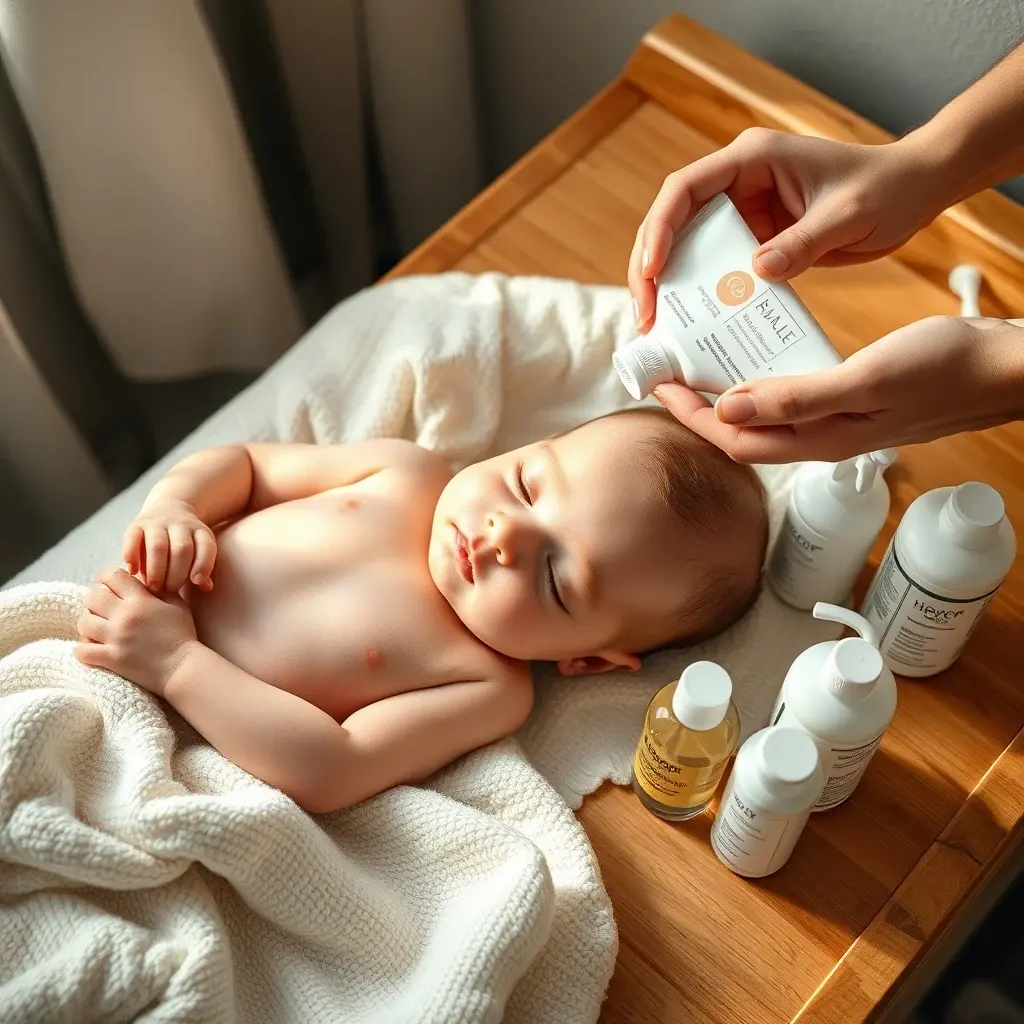
Pediatric dermatologists and child health organizations are urging parents to adopt evidence-based skin care routines for newborns and infants following a 23% increase in reported cases of diaper rash and eczema in children under one year old, according to a 2023 study published in the Journal of Pediatric Dermatology. The rise, documented across urban and rural areas in Indonesia, the United States, and the United Kingdom, has been linked to improper use of skincare products, environmental factors, and delayed medical consultation. Experts emphasize that a baby’s skin is up to 30% thinner than adult skin, making it more susceptible to irritation, moisture loss, and infection, particularly in the first six months of life. Proper cleansing, moisturizing, and protection are essential to maintaining the skin’s natural barrier and preventing common conditions such as diaper dermatitis, cradle cap, and heat rash.
Why Newborn Skin Requires Specialized Care
At birth, a newborn’s skin undergoes a critical transition from a sterile, fluid-filled environment to exposure to air, bacteria, and temperature fluctuations. The stratum corneum, the outermost layer of the skin, is not fully developed until approximately four weeks of age, leaving infants vulnerable to dehydration and irritation. A 2022 report from the American Academy of Pediatrics (AAP) found that 65% of newborns experience some form of skin dryness or flaking within the first two weeks, often due to the sudden shift in humidity levels. Additionally, the skin’s pH, which averages 6.34 at birth, gradually acidifies to a protective level of 4.95 over the first month, further increasing susceptibility to pathogens and allergens.
Dr. Maria Sutanto, a pediatric dermatologist at Cipto Mangunkusumo Hospital in Jakarta, stated, “The first 28 days are a window of high vulnerability. Parents should avoid products with fragrances, dyes, or harsh surfactants, as these can disrupt the skin’s microbiome and trigger inflammatory responses.” The World Health Organization (WHO) recommends delaying the first bath until 24 hours after birth to preserve the vernix caseosa, a waxy coating that protects against infection and supports skin hydration.
Choosing Safe Cleansers and Moisturizers for Sensitive Baby Skin
Selecting appropriate skincare products is critical for preventing adverse reactions. A 2023 survey conducted by the Indonesian Pediatric Society revealed that 42% of parents use adult skincare products on their infants, unaware of the risks. Baby-specific cleansers should be pH-balanced (5.5), fragrance-free, and formulated with mild surfactants such as cocamidopropyl betaine or decyl glucoside. The AAP advises against using soap bars, which can raise the skin’s pH and strip natural oils, leading to dryness and irritation.
For moisturizing, emollients containing ceramides, glycerin, or colloidal oatmeal are recommended to restore the skin barrier. A study published in Pediatric Dermatology in January 2024 found that infants treated with ceramide-based creams showed a 40% reduction in transepidermal water loss compared to those using mineral oil-based lotions. Organic or plant-based products, while popular, are not inherently safer; the AAP cautions that essential oils such as lavender or tea tree oil can cause allergic contact dermatitis in some infants. Parents should patch-test new products on a small area of the baby’s skin 24 hours before full application.
Key Ingredients to Avoid in Baby Skincare
Several ingredients commonly found in adult skincare products are unsuitable for infants. These include parabens, phthalates, sulfates (SLS/SLES), and formaldehyde-releasing preservatives, which have been linked to skin irritation and endocrine disruption. The European Union banned the use of propylparaben and butylparaben in leave-on products for children under three in 2015 due to safety concerns. In Indonesia, the National Agency of Drug and Food Control (BPOM) regulates baby skincare products but does not mandate the disclosure of fragrance components, which can contain up to 100 undisclosed chemicals.
Dr. Lisa Chen, a pediatric allergist at Great Ormond Street Hospital in London, warned, “Even products labeled ‘hypoallergenic’ or ‘natural’ can contain allergens. Parents should look for the EWG Verified mark or similar third-party certifications to ensure safety.” The Environmental Working Group’s Skin Deep database (https://www.ewg.org/skindeep/) provides a searchable directory of baby skincare products ranked by safety.
Preventing and Managing Common Infant Skin Conditions
Diaper rash, or diaper dermatitis, affects up to 50% of infants globally, with peak incidence occurring between 9 and 12 months of age. The condition is primarily caused by prolonged exposure to moisture, friction, and irritants such as urine and feces. A 2023 clinical trial published in JAMA Pediatrics found that frequent diaper changes (every 2–3 hours), air drying, and the use of zinc oxide-based barrier creams reduced the severity of diaper rash by 70%. The trial, conducted across 12 hospitals in Southeast Asia, also noted that disposable diapers with breathable outer layers lowered the risk of rash by 30% compared to cloth diapers.
Cradle cap, characterized by yellowish, scaly patches on the scalp, affects approximately 10% of infants and typically resolves by 12 months. The AAP recommends gentle cleansing with a mild baby shampoo and the use of a soft brush to loosen scales. For persistent cases, a small amount of mineral oil or petroleum jelly can be applied 15 minutes before shampooing. Heat rash, or miliaria, occurs when sweat ducts become blocked, leading to small, red bumps. It is most common in hot, humid climates and can be prevented by dressing infants in loose, breathable clothing and avoiding excessive bundling.
Sun Protection for Infants: Guidelines and Product Safety
Infants under six months of age should be kept out of direct sunlight, as their skin lacks sufficient melanin to protect against UV radiation. The AAP and the Skin Cancer Foundation recommend using physical barriers such as hats, long-sleeved clothing, and stroller shades. For infants over six months, sunscreen can be applied to small areas of exposed skin, but only mineral-based formulas containing zinc oxide or titanium dioxide should be used. Chemical sunscreens, which absorb UV rays, are not recommended for infants due to the risk of skin absorption and irritation.
A 2023 study by the U.S. Food and Drug Administration (FDA) found that mineral sunscreens provide broad-spectrum protection without penetrating the skin, making them the safest option for infants. The study also noted that sunscreens labeled “baby” or “sensitive skin” are not necessarily safer, as they may still contain fragrances or preservatives. Parents should apply sunscreen 15–30 minutes before sun exposure and reapply every two hours, or immediately after swimming or sweating.
Establishing a Safe and Effective Baby Skincare Routine
A consistent skincare routine can help maintain the integrity of an infant’s skin barrier. The AAP recommends the following steps: cleansing with lukewarm water and a mild cleanser during bath time (2–3 times per week for newborns, daily for older infants), patting the skin dry with a soft towel, and applying a fragrance-free moisturizer within three minutes of bathing to lock in moisture. For infants with eczema or very dry skin, ointments such as petroleum jelly are more effective than lotions, as they provide a stronger barrier against moisture loss.
Parents should also be mindful of environmental factors that can affect skin health. Indoor heating and air conditioning can reduce humidity levels, leading to dryness, while outdoor pollution has been linked to increased rates of eczema in urban areas. A 2024 study published in Environmental Health Perspectives found that infants living in areas with high particulate matter (PM2.5) levels were 25% more likely to develop atopic dermatitis. Using a humidifier indoors and avoiding peak pollution hours can help mitigate these risks.
As awareness of infant skin health grows, parents are increasingly turning to evidence-based practices to protect their children’s delicate skin. By prioritizing gentle, non-irritating products and adhering to expert guidelines, families can reduce the risk of common skin conditions and support the long-term health of their baby’s skin. The choices made in these early months lay the foundation for a lifetime of healthy skin, making informed decisions all the more critical.
You may also like
-
Complete Guide to Choosing the Best Sunscreen for Your Skin Type
-
Bare Minimum Beauty: Simplify Your Routine Without Sacrificing Glow
-
2024 Pediatric Skin Care Alert: How to Safeguard Newborns from Common Dermatological Risks Using Clinically Validated Methods
-
Bare Minimum Beauty 2024: Indonesia’s Top Dupe Makeup and Skincare Picks That Deliver High-End Results at Budget Prices,Expert-Backed Affordable Alternatives for Every Routine
-
Indonesia’s Traditional Herbal Skincare: The Proven Benefits of Lulur, Jamu, and Organic Remedies in Modern Dermatological Practices