
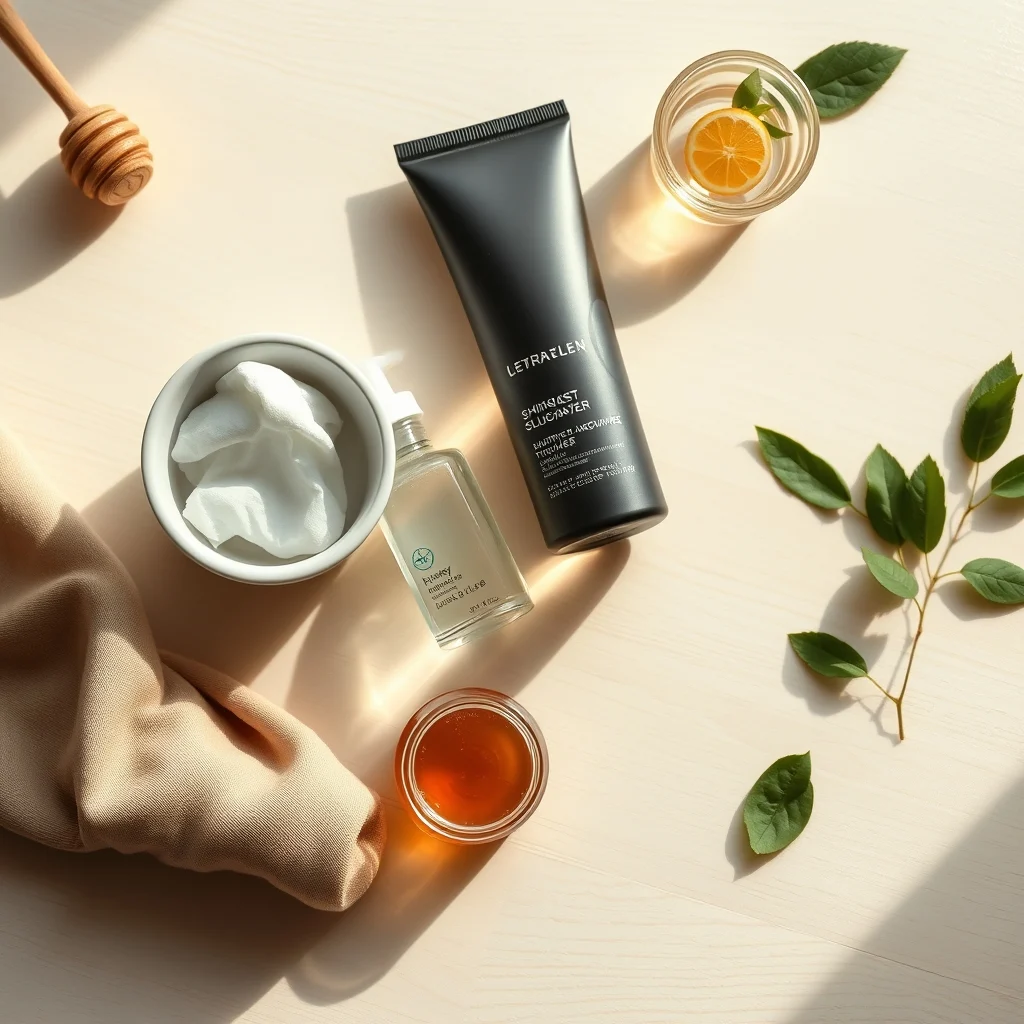
Struggling to find a **budget skincare routine** that works without breaking the bank? You’re not alone—many beginners feel overwhelmed by expensive products and complicated routines. The good news? Achieving healthy, glowing skin doesn’t require a luxury budget or a degree in dermatology. With the right approach, you can simplify your regimen, focus on essentials, and see real results without spending a fortune.
This guide is designed for absolute beginners, cutting through the noise to help you build a **budget skincare routine** that’s gentle, effective, and easy to stick with. Whether you’re just starting out or looking to reset your habits, these steps will set you on the path to clearer, happier skin.
Before diving in, keep in mind that skincare is deeply personal. What works for one person might not suit another, so always pay attention to how your skin reacts. Now, let’s get started.
Learn more about basic skincare principles from trusted sources to ensure you’re on the right track.
Start with the Basics: The Three Non-Negotiable Steps
Even the simplest **budget skincare routine** should include three core steps: cleansing, moisturizing, and sun protection. These form the foundation of healthy skin and are the easiest to incorporate into your daily life.
Cleansing is your first line of defense. It removes dirt, oil, and impurities that can clog pores and lead to breakouts. Look for a gentle, fragrance-free cleanser that won’t strip your skin of its natural oils. Over-cleansing can actually do more harm than good, so once or twice a day is plenty for most skin types.
Moisturizing is just as critical, especially if you have dry or sensitive skin. A lightweight, hydrating moisturizer helps maintain your skin’s barrier, keeping it soft and resilient. Even oily skin needs hydration—think of moisturizer as balancing your skin’s natural oils rather than adding extra grease.
Finally, sun protection is non-negotiable. UV rays accelerate aging and cause damage that can lead to long-term issues like hyperpigmentation or even skin cancer. A broad-spectrum SPF of at least 30 is a must, even on cloudy days. You don’t need to splurge on expensive sunscreens; many affordable options provide excellent protection.
Skip the Fancy Products: Focus on What Matters
One of the biggest mistakes beginners make is jumping into a **budget skincare routine** packed with trendy, expensive products. The truth? Most skin concerns can be addressed with a minimalist approach. Stick to the essentials and avoid overcomplicating things.
For example, toners and astringents are often marketed as must-haves, but they’re rarely necessary for healthy skin. If you’re using a gentle cleanser, your skin likely doesn’t need an additional product to “balance” its pH. Similarly, serums and treatments can be tempting, but they’re not essential for everyone. Start with a cleanser, moisturizer, and sunscreen, and only introduce extras if you notice specific issues like acne or dullness.
Another common pitfall is using multiple active ingredients at once, like retinoids and vitamin C together. This can irritate your skin and lead to redness or peeling. If you’re new to skincare, introduce one active ingredient at a time and give your skin time to adjust.
Remember, simplicity is key. Your skin thrives on consistency, not complexity. A well-rounded **budget skincare routine** doesn’t need to be elaborate—just effective.
DIY and Drugstore Finds: Affordable Alternatives That Work
You don’t need to spend a fortune to get great results. Many drugstore brands offer high-quality products that rival their pricier counterparts. Look for ingredients like hyaluronic acid for hydration, niacinamide for brightening, and ceramides for repairing the skin barrier.
If you’re feeling creative, DIY treatments can also be a budget-friendly way to enhance your routine. For example, a simple honey mask can soothe dry or irritated skin thanks to its natural antibacterial and hydrating properties. Just apply a thin layer of raw honey to your face, leave it on for 10–15 minutes, and rinse with lukewarm water. It’s a gentle, cost-effective way to give your skin some extra love.
Another easy DIY trick is using green tea as a toner. Brew a cup of green tea, let it cool, and apply it to your face with a cotton pad. Green tea is rich in antioxidants, which help fight free radicals and reduce inflammation. It’s a great way to refresh your skin without spending a dime.
Of course, not every DIY treatment will work for everyone, so always patch-test new ingredients on a small area of skin first. When in doubt, stick to trusted drugstore brands with proven formulas.
Listen to Your Skin: Adjust as You Go
A **budget skincare routine** isn’t set in stone—it should evolve with your skin’s needs. Pay attention to how your skin reacts to different products and adjust accordingly. If you notice redness, irritation, or breakouts, it might be a sign that a product isn’t agreeing with you.
For instance, if your skin feels tight or dry after using a new cleanser, it might be too stripping. Switch to a cream or oil-based cleanser instead. On the other hand, if your skin feels greasy or congested, you may need a lighter cleanser or one formulated for oily skin types.
Seasonal changes can also impact your skin. In the winter, your skin may need a richer moisturizer to combat dryness, while in the summer, a lighter, gel-based moisturizer might be more comfortable. Don’t be afraid to tweak your routine as the weather shifts or as your skin matures.
Keeping a skincare journal can help you track what works and what doesn’t. Simply jot down the products you use each day and how your skin responds. Over time, you’ll start to notice patterns and can fine-tune your routine for optimal results.
Common Mistakes to Avoid on a Budget
When you’re on a **budget skincare routine**, it’s easy to make mistakes that can actually harm your skin. One of the biggest is skipping sunscreen to save money. While it might seem like a small expense, the long-term cost of sun damage—think wrinkles, sunspots, and even skin cancer—far outweighs the price of a good SPF.
Another mistake is using expired products. Even if a product is inexpensive, it loses its effectiveness over time. Check the expiration date on your skincare items and replace them every 6–12 months, depending on the product. For example, sunscreen should be replaced every year, while moisturizers can last longer if stored properly.
Over-exfoliating is another pitfall, especially for beginners. Physical scrubs and chemical exfoliants like AHAs and BHAs can be too harsh if used too frequently. Stick to exfoliating 1–2 times per week at most, and always follow up with a hydrating moisturizer to soothe your skin.
Finally, don’t fall for the myth that “natural” or “organic” products are always better. Some natural ingredients, like citrus extracts, can be highly irritating to the skin. Always read labels and do your research before trying something new.
Build Your Routine Step by Step: A Simple Weekly Plan
Ready to put it all together? Here’s a simple, no-fuss **budget skincare routine** you can start this week. Keep it consistent, and you’ll see improvements in just a few weeks.
**Morning Routine:**
– Cleanse with a gentle, hydrating cleanser.
– Apply a lightweight moisturizer.
– Use a broad-spectrum SPF 30 or higher.
This keeps your skin clean, hydrated, and protected all day.
**Evening Routine:**
– Cleanse again to remove the day’s impurities.
– Apply a slightly richer moisturizer to repair your skin overnight.
– Once or twice a week, add a gentle exfoliant or a DIY mask (like honey or green tea) to keep your skin fresh.
This helps your skin recover and renew itself while you sleep.
Weekends are a great time to experiment with new products or treatments. Try a hydrating sheet mask or a soothing aloe vera gel if your skin feels dry or irritated. The goal is to keep your routine flexible and enjoyable, so you’re more likely to stick with it long-term.
Remember, progress takes time. Give your skin at least 4–6 weeks to adjust before expecting dramatic results. Consistency is more important than perfection.
You’ve got this! Building a **budget skincare routine** that works for you is all about starting small, staying consistent, and listening to your skin. With these simple steps, you’ll be well on your way to healthier, happier skin without spending a fortune. The key is to keep it simple, avoid unnecessary products, and focus on what truly nourishes and protects your skin. Happy skincare journey—your future self will thank you.
You may also like
-
Budget Skincare Routines: A Step-by-Step Guide for Oily Skin
-
Budget Skincare Routines: This Year’s Simplest Approach for Glowing Skin
-
Budget Skincare Routines: Quick Tips for Busy People Who Want Healthy Skin
-
Budget Skincare Routines: A Barrier-First Approach for Healthy Skin
-
Budget Skincare Routines for Sensitive Skin: Gentle Steps to Glowing Skin