Skincare routines don’t have to be complicated or expensive to be effective. If you’re just stepping into the world of **affordable active ingredients**, you might feel overwhelmed by the options—or even unsure where to begin. The good news? You don’t need a luxury budget to achieve healthier, happier skin. With the right knowledge and a few key ingredients, you can build a simple yet powerful routine that delivers real results without breaking the bank.
Active ingredients are the stars of skincare—they target specific concerns like texture, brightness, or hydration. The challenge? Many effective actives are priced out of reach for beginners. This guide cuts through the noise to focus on what truly works, helping you skip the guesswork and start confidently.
Whether you’re dealing with dullness, uneven tone, or just want to maintain a balanced complexion, this step-by-step approach ensures you’re investing in ingredients that make a difference. Let’s dive into the essentials.
Understand Your Skin’s Needs First
Before reaching for any product, take a moment to assess your skin. Active ingredients work best when tailored to your unique concerns. For example, if your skin feels tight or looks flaky, you might prioritize hydrating actives like hyaluronic acid or glycerin. On the other hand, if you’re prone to congestion or shine, ingredients like niacinamide or salicylic acid could be more beneficial.
It’s also important to note that skin changes with age, environment, and lifestyle. What worked in your 20s might need an upgrade as you enter your 30s or beyond. Start with a basic routine and adjust as you learn more about how your skin responds.
If you’re unsure where to begin, focus on one primary concern at a time. This keeps your routine simple and allows you to track progress without feeling overwhelmed.
Start with the Basics: Hydration and Barrier Support
Every skincare routine should begin with a solid foundation—hydration and barrier support. Even if you’re targeting specific concerns like acne or aging, neglecting these basics can lead to irritation or diminished results. Look for ingredients like ceramides, cholesterol, and fatty acids to strengthen your skin’s natural barrier, while hyaluronic acid or panthenol (provitamin B5) work wonders for instant hydration.
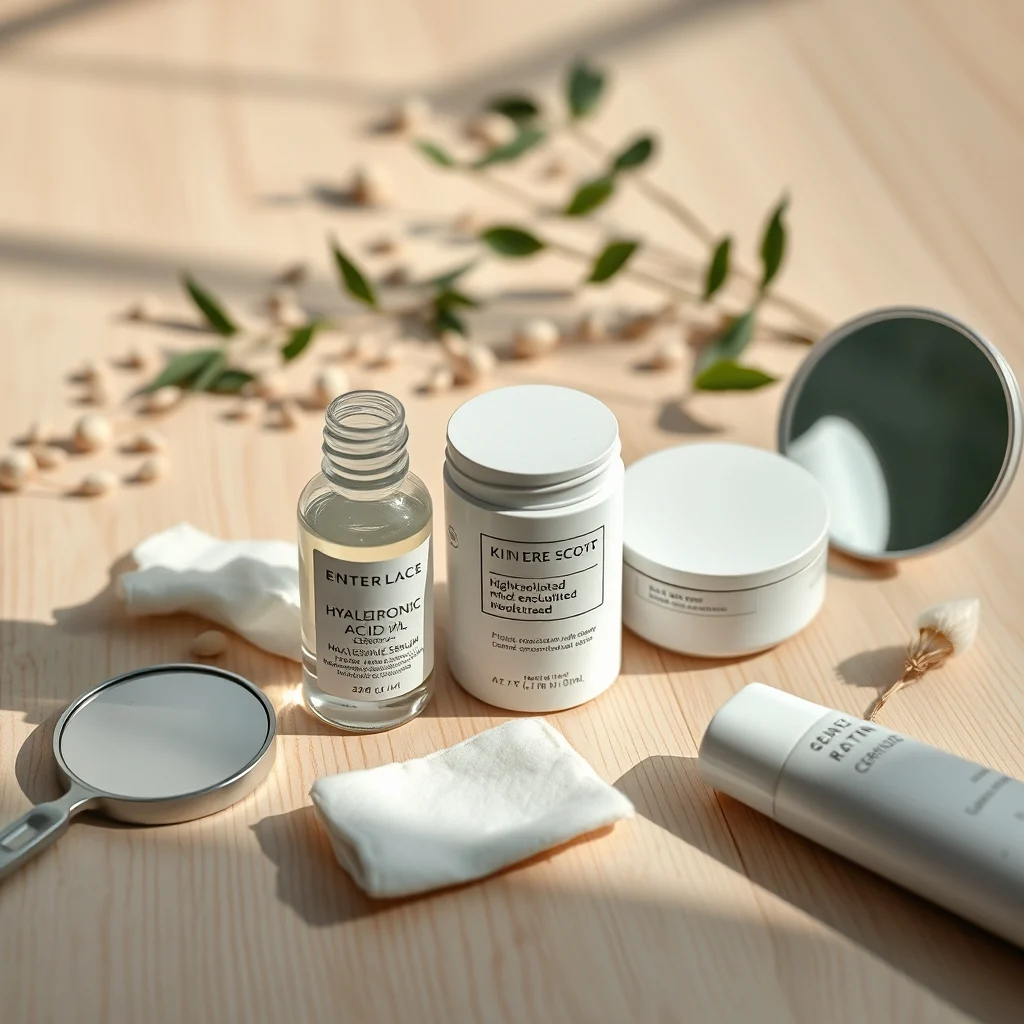
These ingredients are often found in affordable serums or moisturizers and can be layered easily. For instance, apply a lightweight hyaluronic acid serum over cleansed skin, followed by a moisturizer with ceramides. This combo locks in moisture and protects your skin from environmental stressors.
Don’t overlook the importance of a gentle cleanser. Harsh sulfates can strip your skin of its natural oils, leaving it vulnerable. Opt for a creamy or oil-based cleanser to maintain balance, especially if you’re new to actives.
Introduce Actives Gradually
One of the biggest mistakes beginners make is layering too many actives at once. While it might seem efficient, this approach can lead to irritation, redness, or even breakouts. Instead, introduce one active at a time and give your skin at least a few weeks to adjust before adding another.
Begin with a low concentration of your chosen active. For example, if you’re trying vitamin C for brightness, start with a 10% serum rather than a higher percentage. This allows your skin to build tolerance while still delivering visible benefits.
Pay attention to how your skin reacts. If you notice any signs of discomfort—such as tingling, burning, or excessive dryness—scale back or discontinue use until your skin recovers. Patience is key when it comes to active ingredients.
Choose Affordable but Effective Ingredients
You don’t need to spend a fortune to access powerful actives. Many drugstore or mid-range brands offer high-quality formulations with proven ingredients. Some of the most cost-effective yet effective actives include:
- Niacinamide: A versatile ingredient that helps regulate oil production, reduces redness, and strengthens the skin barrier. It’s gentle enough for all skin types and can be used daily.
- Salicylic Acid: A beta hydroxy acid (BHA) that penetrates deep into pores to dissolve excess oil and dead skin cells. Ideal for oily or acne-prone skin, it’s best used 2-3 times a week.
- Vitamin C (L-Ascorbic Acid): A brightening antioxidant that evens out skin tone and protects against environmental damage. Look for a stable formulation to maximize its benefits.
- Hyaluronic Acid: A humectant that draws moisture into the skin, leaving it plump and hydrated. Perfect for dry or dehydrated skin types.
- Retinol (or Encapsulated Retinol): A derivative of vitamin A that promotes cell turnover and collagen production. Start with a low concentration to avoid irritation.
These ingredients are widely available in serums, toners, or moisturizers, making them easy to incorporate into any budget-friendly routine.
Avoid Common Pitfalls
When it comes to affordable active ingredients, misinformation can lead to wasted money and frustrated skin. One common mistake is assuming that more expensive always means better. While high-end products often have sleek packaging and marketing, their active concentrations aren’t always superior to drugstore alternatives.
Another pitfall is mixing actives without understanding their pH levels or potential interactions. For example, pairing vitamin C with retinol at the same time can cause irritation. To avoid this, apply them at different times of day or on alternate nights.
Finally, don’t fall for the trap of overcomplicating your routine. A few well-chosen actives used consistently will yield better results than a crowded regimen with too many products. Stick to the essentials and build from there.
Build Your Routine with Confidence
Now that you’re armed with the basics, it’s time to put together a simple yet effective routine. Start with a gentle cleanser to remove impurities, followed by a hydrating serum like hyaluronic acid. If you’re introducing an active like niacinamide or vitamin C, apply it next, then seal everything in with a moisturizer.
For those new to retinol, consider using it 2-3 times a week in the evening, after your serum and before moisturizer. Always follow up with sunscreen in the morning to protect your skin from UV damage, which can diminish the effects of your actives.
Remember, consistency is more important than complexity. Even a basic routine with a few key ingredients can make a noticeable difference over time. The goal isn’t perfection—it’s progress.
Your skin is unique, and so is your journey. What works for someone else might not be the right fit for you, and that’s okay. The key is to stay informed, listen to your skin, and adjust as needed. With the right approach, affordable active ingredients can transform your skincare routine without the high price tag.
Ready to give it a try? Start small, stay patient, and watch as your skin responds to the care and attention it deserves. For more insights on safe and effective skincare practices, visit American Academy of Dermatology.
You may also like
-
Budget-Friendly Actives: Simple Start
-
Affordable Active Ingredients: How to Build a Skinimalist Routine This Week
-
Affordable Active Ingredients: A Barrier-First Guide for Dry & Sensitive Skin
-
Affordable Active Ingredients: A Beginner’s Guide to Smarter Skin Without Irritation
-
Affordable Active Ingredients: A Barrier-First Guide for Oily Skin