Struggling to achieve healthy, radiant skin without breaking the bank? You’re not alone. Many people assume that effective skincare requires expensive serums and treatments, but the truth is, affordable active ingredients can deliver impressive results—if you know how to use them. The key lies in understanding which ingredients work for your skin type and how to incorporate them into a simple, sustainable routine. Whether you’re dealing with dryness, oiliness, or sensitivity, this guide will help you navigate the world of budget-friendly actives with confidence.
Why Affordable Active Ingredients Work Just as Well
Active ingredients like niacinamide, hyaluronic acid, and retinol don’t need a luxury price tag to be effective. Many drugstore and online brands formulate these powerhouse ingredients at concentrations that rival high-end products. The difference often comes down to marketing and packaging rather than efficacy. By focusing on what your skin truly needs, you can skip the hype and invest in products that deliver real results.
For example, a $10 niacinamide serum can regulate oil production and minimize pores just as effectively as a $50 version. The key is consistency—using the right ingredient regularly will yield better results than sporadically splurging on expensive alternatives. Start with one or two actives to avoid overwhelming your skin, and gradually build your routine as you see progress.
Top 5 Budget-Friendly Actives for Every Skin Concern
Not all active ingredients are created equal, and some are better suited for specific skin types. Here are five affordable options that address common concerns without straining your wallet:
1. Niacinamide for Oil Control and Brightening
Niacinamide, a form of vitamin B3, is a multitasker that suits almost every skin type. It helps regulate sebum production, making it ideal for oily or combination skin. Additionally, it fades dark spots and evens out skin tone over time. Look for serums with a 5-10% concentration for the best results.
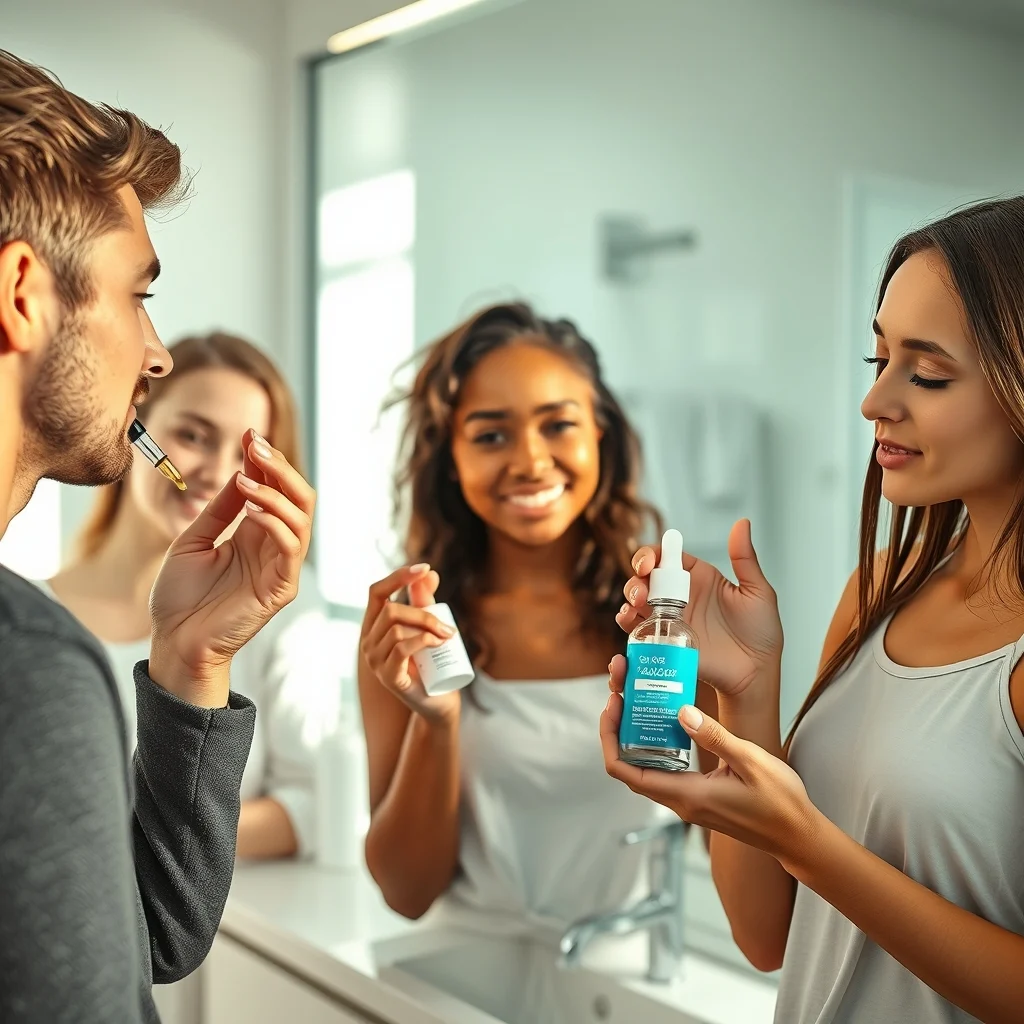
To use it, apply a few drops after cleansing and before moisturizing. It pairs well with most other ingredients, so you can easily layer it into your existing routine. If you’re new to actives, niacinamide is a great starting point because it’s gentle and rarely causes irritation.
2. Hyaluronic Acid for Hydration
Hyaluronic acid is a humectant that draws moisture into the skin, making it a must-have for dry or dehydrated skin. Unlike heavy creams, it provides lightweight hydration without clogging pores. You can find it in serums, toners, and even sheet masks at affordable prices.
For best results, apply hyaluronic acid to damp skin to lock in moisture. Follow up with a moisturizer to seal it in. If you live in a dry climate, layering it under a cream can prevent moisture loss throughout the day.
3. Retinol for Anti-Aging and Texture
Retinol, a derivative of vitamin A, is one of the most well-researched ingredients for reducing fine lines, improving texture, and promoting cell turnover. While it’s often associated with high-end brands, many drugstore options offer effective formulations at a fraction of the cost.
Start with a low concentration (0.25% or 0.5%) to minimize irritation, and use it only at night. Pair it with a moisturizer to buffer any dryness, and always wear sunscreen during the day to protect your skin. Over time, retinol can transform your complexion, making it smoother and more even.
4. Salicylic Acid for Acne-Prone Skin
Salicylic acid is a beta-hydroxy acid (BHA) that penetrates deep into pores to dissolve excess oil and dead skin cells. It’s a game-changer for acne-prone skin, helping to prevent breakouts and reduce inflammation. You can find it in cleansers, toners, and spot treatments at affordable prices.
Use salicylic acid in your evening routine, starting with a low concentration (0.5-2%) to avoid over-drying your skin. If you have sensitive skin, limit use to 2-3 times a week and follow up with a hydrating serum or moisturizer.
5. Vitamin C for Brightening and Protection
Vitamin C is a potent antioxidant that brightens dull skin and protects against environmental damage. While some vitamin C serums can be pricey, many budget-friendly options deliver the same benefits. Look for formulations with L-ascorbic acid, the most stable and effective form of vitamin C.
Apply vitamin C in the morning before sunscreen to boost its protective effects. It works well with other antioxidants like vitamin E, which can enhance its stability and efficacy. If you have sensitive skin, opt for a lower concentration (10-15%) to minimize irritation.
How to Layer Affordable Active Ingredients Safely
Mixing actives can amplify results, but it’s important to do so carefully to avoid irritation. Start by introducing one ingredient at a time, giving your skin a few weeks to adjust before adding another. For example, if you’re using retinol at night, pair it with a hydrating serum like hyaluronic acid to counteract dryness.
A simple rule of thumb is to layer products from thinnest to thickest consistency. Apply water-based serums first, followed by thicker creams or oils. If you’re using multiple actives, consider alternating them on different days. For instance, use vitamin C in the morning and retinol at night to avoid overloading your skin.
Always listen to your skin—if you notice redness, peeling, or discomfort, scale back and give it time to recover. Patch-testing new products can also help prevent adverse reactions, especially if you have sensitive skin.
Where to Find Affordable Active Ingredients
You don’t need to scour high-end stores to find effective actives. Many drugstore brands, online retailers, and even subscription services offer high-quality products at budget-friendly prices. Look for options from trusted brands that prioritize transparency in their ingredient lists.
Online marketplaces often have reviews and ratings that can help you gauge a product’s effectiveness before purchasing. Additionally, some brands offer travel-sized versions of their products, allowing you to test them without committing to a full-size bottle. Don’t forget to check for sales or discount codes, which can make even more affordable options accessible.
For more information on safe and effective skincare ingredients, visit the American Academy of Dermatology.
Building a Routine That Works for You
Creating a skincare routine with affordable active ingredients doesn’t have to be complicated. Start with a gentle cleanser, followed by one or two actives that target your primary concerns. For example, if you’re focused on hydration, pair hyaluronic acid with a lightweight moisturizer. If acne is your main issue, incorporate salicylic acid into your routine a few times a week.
Consistency is key—stick with your routine for at least 4-6 weeks to see noticeable improvements. Keep track of how your skin responds, and don’t be afraid to adjust as needed. Remember, skincare is personal, and what works for someone else might not work for you.
As you become more comfortable with actives, you can experiment with layering or introducing new ingredients. The goal is to build a routine that’s simple, effective, and sustainable. With the right approach, you can achieve glowing skin without spending a fortune.
You may also like
-
Affordable Active Ingredients: How to Build a Skinimalist Routine This Week
-
Affordable Active Ingredients: A Barrier-First Guide for Dry & Sensitive Skin
-
Affordable Active Ingredients: A Beginner’s Guide to Smarter Skin Without Irritation
-
Affordable Active Ingredients: A Barrier-First Guide for Oily Skin
-
Affordable Active Ingredients: A Beginner’s Guide to Glowing Skin Without the Price Tag